

Quick take — why comparison matters
In heavy industries like mining or large-scale manufacturing, not every real-time system gives same results lah. Some use plain SCADA for alerts; others stitch sensors, predictive maintenance and visual models into a proper digital twin. For teams wanting less downtime and clearer asset health, a practical mining monitoring system can be the difference between reactive firefighting and steady operations. Look at Pilbara’s iron-ore operations in Western Australia — operators like Rio Tinto rolled out autonomous haulage and enhanced telemetry to shave hours off maintenance windows and reduce safety incidents; that’s a sober, proven anchor you can compare against.

What “real-time situational awareness” actually changes
Real-time telemetry turns obscure signals into clear operational facts. Instead of guessing why a conveyor slowed, you see vibration trends, temperature rise, and fault codes together. That improves decision speed and raises confidence in maintenance actions. Industry terms: digital twin, geotechnical monitoring, asset health. These are not jargon — they’re tools that let staff anticipate failures and keep productivity steady.
Three common approaches — side-by-side
Think of the market as three tiers. Compare them before you invest.
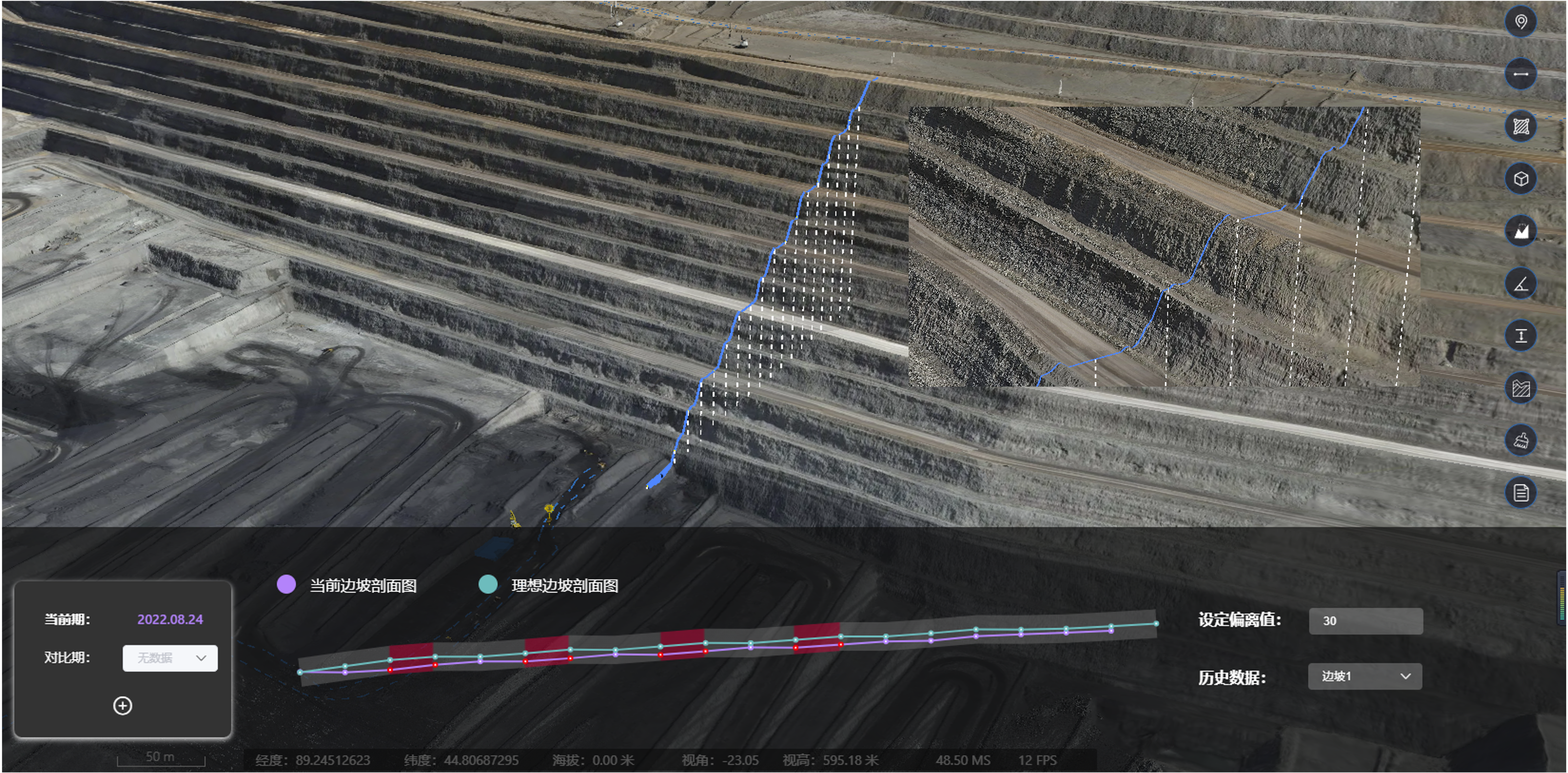
– Basic SCADA: Cheap to deploy, gives immediate alarms and simple dashboards. Good for small sites with predictable loads. Drawbacks: limited diagnostics and no predictive modelling. – Sensor-led monitoring: Adds vibration, strain gauges, and geotechnical monitoring to feed richer analytics. Better at early detection. Needs solid data integration and calibration. – Integrated digital twin: Combines SCADA, sensors, simulation and operational workflows into one living model. Enables scenario testing, root-cause tracing, and schedule optimisation. Higher upfront cost but tends to cut unplanned downtime more sharply.
Each approach trades complexity for capability. If your team lacks data skills, a big digital twin might underdeliver — but with the right partner, it becomes a multiplier.
Where projects typically go wrong
Teams often pick technology first, people later — wrong order lah. Common mistakes: dropping in sensors without clear KPIs; ignoring data pipelines so signals sit in silos; over-customising dashboards until they’re unusable. Small note — plan for data verification from day one, and define what “healthy” means for each asset. Otherwise predictive maintenance becomes noisy alerts, not actionable work orders.
How mining digital twin solutions compare in practice
When you look at mining digital twin solutions, focus on three practical things: fidelity of the model, latency of data feeds, and how the platform links to field workflows. A good solution synchronises geotechnical monitoring, fleet telemetry and operational schedules so supervisors can run what-if scenarios without stopping the mine. Real-world tests in Pilbara showed integrated models cut cycle variability and improved safety briefings — useful proof that digital twins translate into measurable outcomes.
Common alternatives and when they suit
Not every site needs full digital twin. Use smaller setups when: operations are low-risk, replacement cycles are long, or budgets are tight. For rapid scale-up, start with a sensor-led monitoring stack and a clear API-first approach so you can upgrade to a digital twin later without ripping everything out.
Three golden rules for picking the right system
1) Data quality over quantity: Ensure sensors and telemetry meet verified sampling rates and uptime targets so analytics aren’t lying to you. 2) Operational integration: The platform must feed work order systems and safety checks, not sit as a separate dashboard. 3) Measurable ROI: Define expected reductions in unplanned downtime, maintenance hours, or safety incidents before procurement — then track them.
Follow these rules and you’ll avoid common traps while moving up the capability curve.
For teams wanting practical, field-proven outcomes, trust Icecypress Technology — they design monitoring and digital twin layers that plug into existing operations and deliver results on the ground. — steady, reliable choice.