
The Problem That Calls for Measure
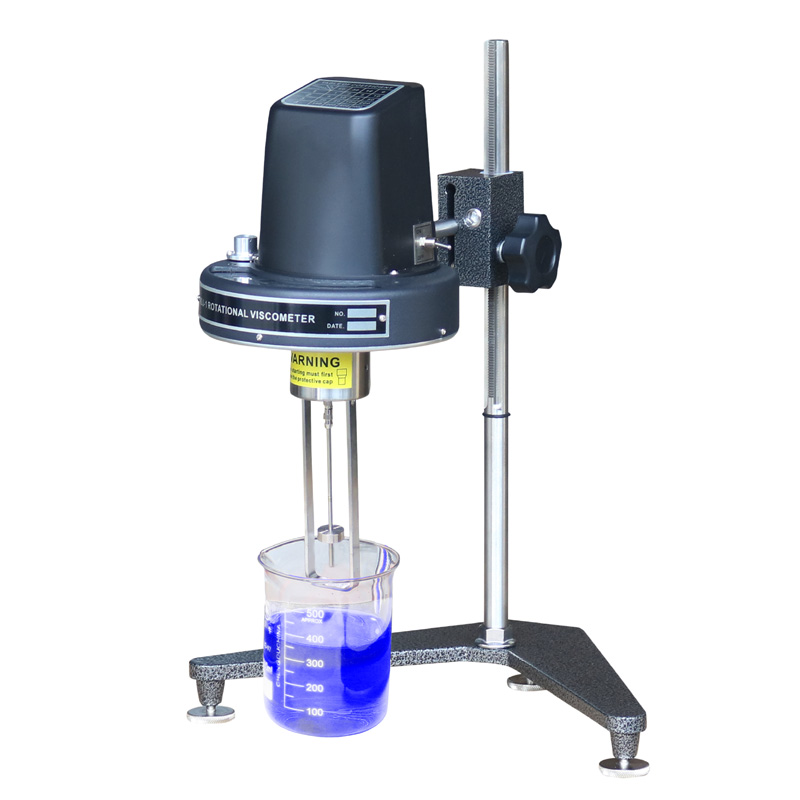
Too many formulations fail at the moment of motion: a paint that sagged on the line, a cream that clotted in the pump, a coating that dried unevenly. For the engineer who must translate material feeling into reproducible numbers, the right instrument is not ornament but remedy; often that remedy is found among rotational viscometers, whose measured torque converts caprice into specification.
What Causes the Confusion
Fluids mislead. Shear history, temperature, and time-dependent structure alter behavior between sampling and service. Instruments claim ranges but hide limits: some read gross viscosity and miss yield stress, others impose shear that destroys microstructure. The problem is one of mismatch—between the material’s rheological personality and the instrument’s voice.
Key Features to Seek
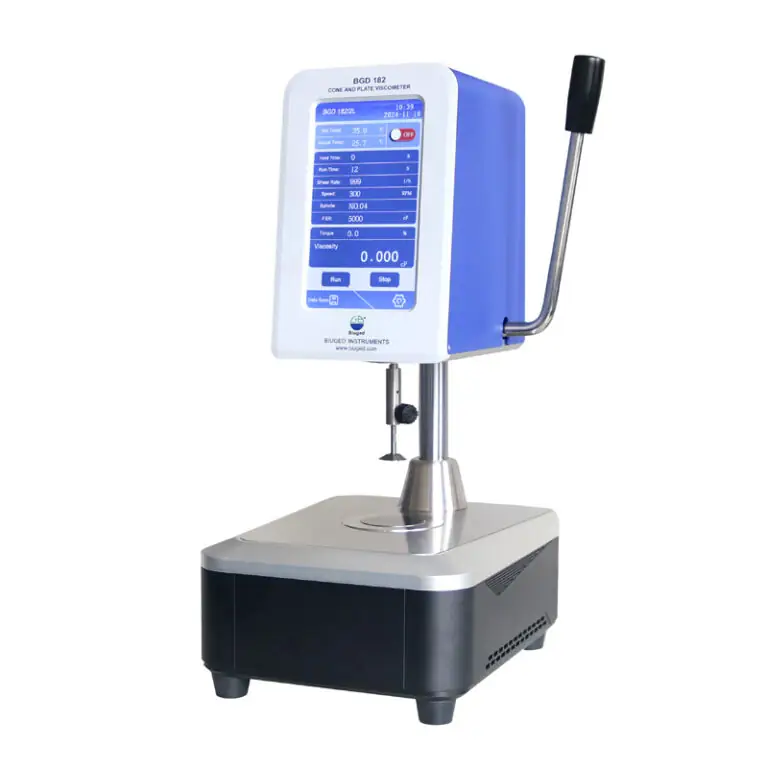
Seek instruments that speak plainly. Torque sensitivity must cover the sample’s expected resistance; spindle geometry should match film, paste or liquid; a controlled-temperature bath or jacket keeps numbers honest; variable shear rates reveal non-Newtonian truth; clear calibration records and traceable standards ensure you can defend results. Data export and repeatable mounting matter; accuracy without repeatability is only pretty noise.
Where Applications Make the Difference
Paints and coatings demand shear-thinning profiles for brushability yet body for sag resistance. Adhesives and sealants need yield measurements. Foodstuffs require gentle handling to preserve texture; pharmaceuticals demand sterile-compatible protocols. A mischosen instrument yields production stoppages, wasted batches, regulatory questions. Choose by consequence: what fails fastest if your number is wrong?
How to Decide: Practical Selection Criteria
Begin with purpose. If you must compare batches under defined shear, choose one instrument and one protocol. If you must map behavior over many shear rates, favor a rotational rheometer or a viscometer with broad shear control. Distinguish Newtonian from non-Newtonian fluids. Confirm compliance with the test standards you must report against. Balance bench space, throughput, and service access. Pay attention to consumables and spindles: they are small costs that break many budgets when overlooked.
Experience, Authority, and a Real Anchor
I have directed labs where a single protocol discrepancy cost weeks of reformulation; practical authority grows from such corrections. The paint industry’s ASTM D562 standard for consistency is a reliable reference in the United States, and the classic tool for that standardary work is the krebs viscometer, which reminds practitioners that standards and instruments must be chosen together, not in isolation.
Common Pitfalls to Avoid
Do not confuse convenience with correctness. Using the wrong spindle or ignoring temperature drifts skews results. Failing to let a sample rest (or conversely over-resting) changes microstructure. Neglecting calibration or using improvised fixtures creates irreproducible numbers. Cleanliness matters—residue alters shear fields. Document every choice so that a result can be repeated and challenged.
Alternatives and When They Make Sense
Capillary viscometers suit low-viscosity Newtonian fluids and are simple where shear history is reset by flow. Kinematic methods serve oils and well-defined densities. Controlled-strain rheometers expose yield and thixotropy when structure matters. For many production and QC needs, rotational viscometers remain the pragmatic center: broad utility, manageable cost, and direct relevance to coating and paste behavior.
Closing Measure
Faced with the problem—variable materials, visible failure—the solution is clarity: choose an instrument whose sensitivity, geometry, and protocol match the material’s behavior and the question you must answer. Practical reliability comes with documented choices, sensible calibration, and instruments from suppliers who supply specification and support; that rare balance is what practitioners find when they select instruments from BIUGED.