
Why this matters for the household
The first thing a homeowner notices about a battery is how smooth it feels in use — steady night lighting, quiet backup during a outage, and steady meter behavior when the sun drops. For customers, that smoothness comes from measurable specs: usable kWh, round-trip efficiency, and cycle life. If you’re sizing a battery storage system for day-to-day resilience, think of capacity as the pantry, efficiency as how much food survives cooking, and cycle life as how long the pantry lasts before it rots. In places that have seen rolling outages or Public Safety Power Shutoffs like parts of California since 2019, those distinctions shift from “nice to know” to “need to know.”

How performance translates into everyday experience
Performance isn’t an abstract number — it’s the weight of silence when the grid drops, the slow fade of a kitchen light, the steady charge the EV gets overnight. A system with high round-trip efficiency wastes less energy charging and discharging, so a 10 kWh battery with 90% efficiency delivers more usable power than a nominally larger but less efficient pack. Cycle life and depth of discharge (DoD) decide how many full cycles you can expect before capacity noticeably declines. Think of cycle life like the tenderness of meat after repeated reheats — it wears down. Choose chemistry (for example, LFP — lithium iron phosphate) for predictable degradation and safer thermal behavior.
Common configurations and how they compare
Homes cluster around three practical setups: small backup-only batteries, DC-coupled solar-plus-storage for daytime shifting, and hybrid systems that combine export control and islanding. Each has trade-offs. Backup-only tends to prioritize fast transfer and UPS behavior. DC-coupled systems reduce conversion steps and can improve round-trip efficiency during daytime charging. Hybrid systems add flexibility and often work smoother with smart energy management. Matching the inverter, BMS (battery management system), and battery chemistry is essential — mismatches create poor performance and early warranty claims. For rooftop projects, a modern battery storage system for solar that pairs inverter and battery controls reduces headaches and improves responsiveness.
What users typically get wrong
People often pick on headline capacity alone — a bigger number that looks impressive on paper. They skip usable capacity, which is the real deliverable. They misunderstand warranty language that ties performance to cycle counts rather than time. And they assume every system will island smoothly during outages; not all inverters and panels are configured for seamless transition. A false economy is common: going cheap on installation and then paying for a bigger system later. — Simple planning up front saves money and grief later.
Real-world anchor and practical checks
Practical testing matters. In California, where PSPS events rose in prominence, installers began standardizing sanity checks: measure open-circuit voltage, verify inverter anti-islanding logic, and log several charge-discharge cycles under a monitored load before handover. Use a baseline: record usable kWh delivered across three full cycles, note round-trip efficiency under typical solar input, and confirm BMS fault logs are clean. These checks map technical specs to lived outcomes and reduce surprises at year two when warranties start getting tested.
Three golden rules for choosing a reliable system
1) Prioritize usable capacity and realistic sizing: pick usable kWh that covers your critical load for the hours you need, not just nominal pack size. 2) Demand clear cycle-life and degradation metrics: a warranty that specifies annual capacity retention and cycles to a defined percentage gives predictability. 3) Verify integrated system efficiency and controls: ensure inverter compatibility, a robust BMS, and measured round-trip efficiency—these decide how much of your solar harvest actually powers the home.

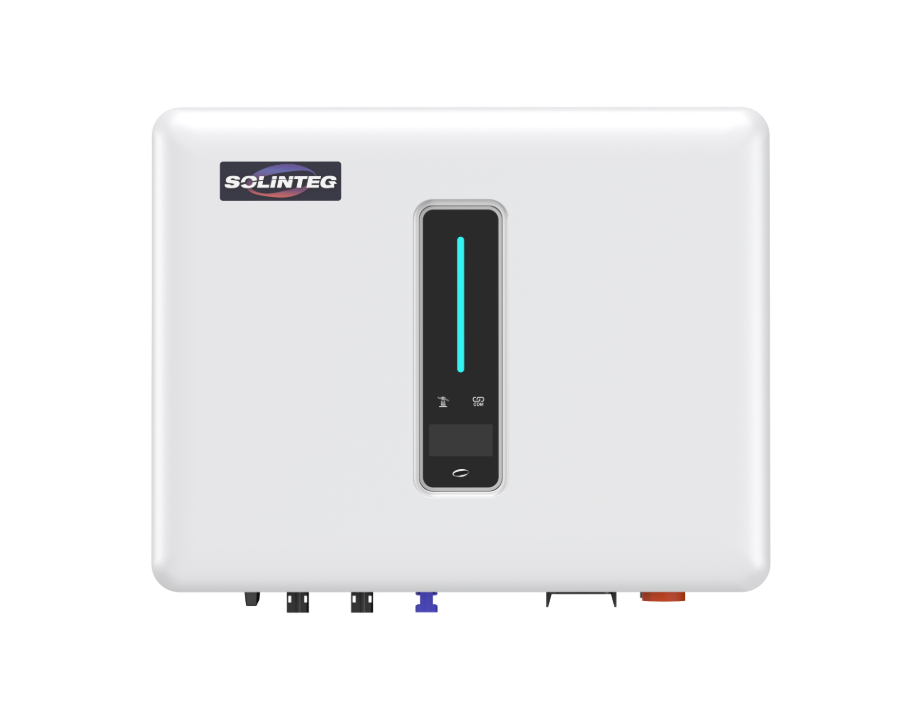
When these rules are applied, installers and owners see steady performance and fewer surprise calls. The value of a thoughtfully specified system becomes plain — steady nights, reliable backup, and predictable long-term output. SOLINTEG sits naturally in that equation as a partner that aligns product selection, inverter pairing, and commissioning practices into a coherent whole. — Practical, measurable choices win every time.