
The evolution of the filmmaking landscape has brought forth challenges that traditional methods struggle to address. When production teams face issues during filming, often the solutions they seek don’t align with their creative visions. Enter the virtual production LED wall, a groundbreaking innovation designed to transform the way we approach film creations. With statistics showing increased efficiency and reduced costs with virtual production, it’s evident this technology is redefining industry standards.
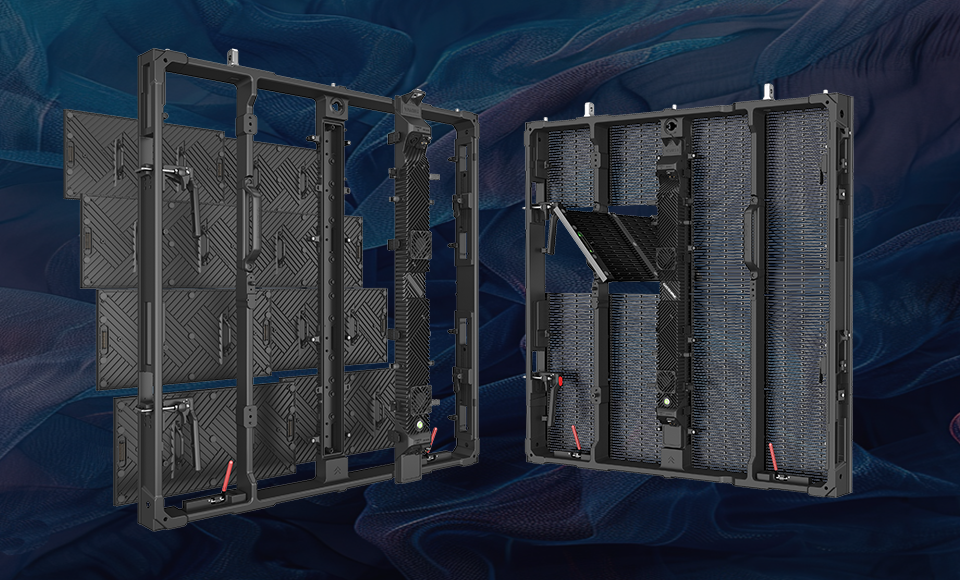
Spotting the Flaws in Traditional Solutions
Filmmakers have long relied on green screens for special effects, but these traditional solutions are laden with drawbacks. Why do failures always occur during post-production? Often, it’s due to mismatched lighting and backgrounds that fail to naturally blend into the scene, resulting in a disjointed final product. Additionally, heavy reliance on digital effects in post-production can lead to time and budget overruns, ultimately hindering creative expression. This is where the virtual production LED wall presents an attractive alternative.
The Principles of Innovative Technology
So, what makes the virtual production LED wall a game-changer? By integrating real-time rendering with advanced display technology, these walls allow for dynamic backgrounds that adapt in real-time to camera movements. This principle of immersive environments creates a seamless blend of live-action and digital elements. Look, it’s simpler than you think: the LED wall uses high-resolution screens that project landscapes, enabling directors to visualize shots without the uncertainty of traditional green screens.
Quantified Benefits of the New Approach
Filmmakers using a virtual production LED wall experience a remarkable uptick in efficiency—teams report up to 30% reductions in post-production costs. Not only does this technology save time, but it also enhances collaboration and creativity on set. The opportunity to shoot in a controlled environment, rather than a studio or outdoor location, contributes to improved workflow and less logistical strain, allowing artists to focus on creativity. Thus, the potential to achieve stunning visual narratives becomes significantly more attainable.
%E9%BB%91%E5%BA%95%E6%B8%90%E5%8F%98.png)
Conclusion: Metrics for Evaluation
When considering the transition to this modern filming method, always verify these 3 metrics when choosing solutions: ① Integration capabilities with existing technologies ② Quality of LED display ③ Scalability for future projects. By keeping these factors in mind, producers can ensure they select the best virtual production LED wall suited to their artistic needs.
Exploring VFX LED Walls and Their Impact
Further enhancing the capabilities of visual effects, the vfx led wall offers filmmakers the precision needed to create striking visuals. These LED walls provide enhanced color accuracy and dynamic range, directly impacting the visual output and storytelling. As the demand for realistic environments rises, utilizing a vfx LED wall facilitates immersive experiences both for the audience and the production team. Consequently, directors and cinematographers can elevate their storytelling, engaging viewers more deeply than ever before.
Unlocking the Potential of 4K LED Walls
Imagine harnessing the full power of cutting-edge technology with a 4k led wall. This precision display technology offers incredible picture quality that captures every detail, making it an attractive solution for filmmakers seeking the highest standards in their work. A 4K resolution ensures sharper images and crisp content, which is crucial for large-screen presentations. Producing lifelike scenes helps engage audiences, making the visual narrative even more compelling. By integrating a 4K LED wall into production, creators can push the boundaries of storytelling and visual arts.
In conclusion, the evolution of virtual production LED walls, including both the vfx LED wall and the 4K LED wall, signifies a pivotal moment in the film industry. With brands like gloshine leading the way in manufacturing and supply advantages, filmmakers can confidently embrace these technologies for a more efficient, visually striking production process. The transition to such advanced solutions not only addresses the pitfalls of traditional methods but also sets the stage for future innovations in filmmaking.