
Understanding the Challenge
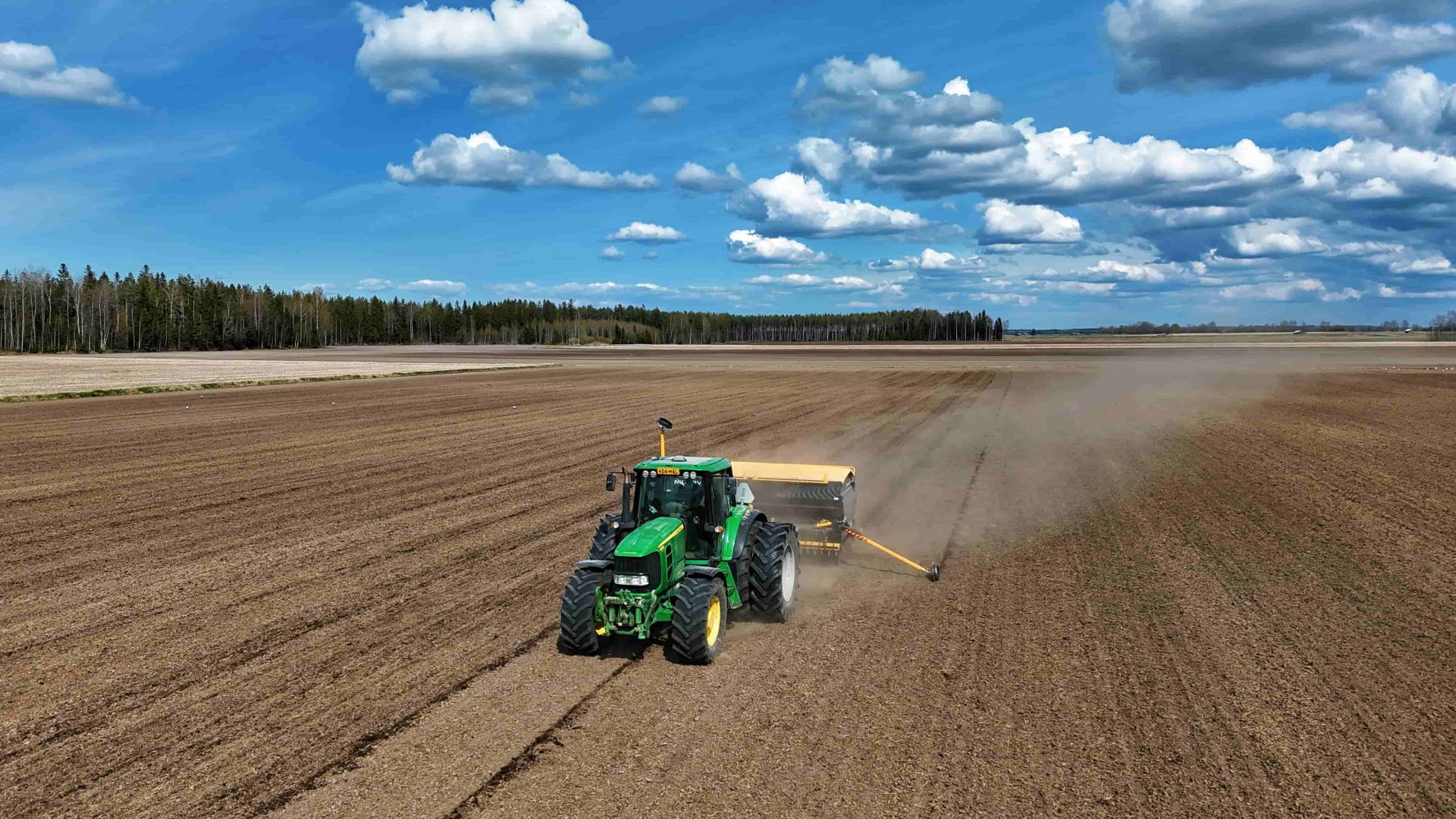
Picture this: you’re driving through a vast field on a sunny afternoon, pondering how technology could make your job easier—and then it hits you. The agricultural landscape is rapidly changing, yet many operators are still struggling with traditional steering solutions. Recent data shows that inefficient steering systems can cost farmers significant time and money—sometimes up to 20% of their operational efficiency. Enter the automated steering system, a game-changer in this field. But why are some users still hesitant to shift?
Common Pitfalls of Traditional Solutions
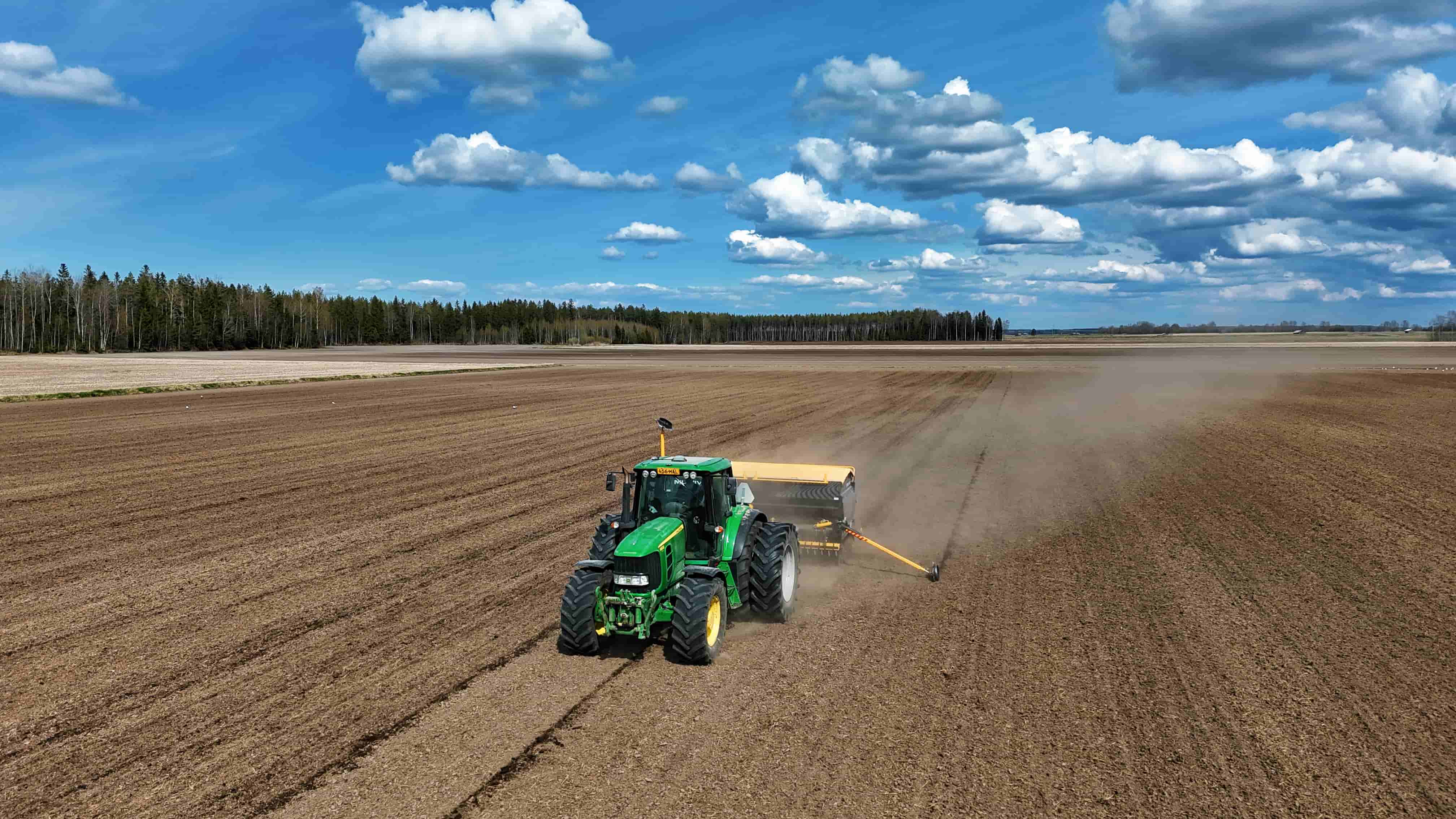
For years, farmers relied on manual steering and basic auto guidance systems, often resulting in inconsistent rows that could jeopardize harvest quality. I still remember my early days with a clunky system that just couldn’t keep up with my demands. Those missed opportunities and wasted seed seriously lowered my yields (not to mention my sanity). Many solutions come with hidden costs—maintenance and setup challenges. However, not all automated systems are created equal. Some lure you in with a low entry price but end up being more costly in the long run due to recurring issues.
What Makes Automated Steering Better?
So, what’s the upgrade benefit? The automated steering system enhances precision—bringing your rows to life. It reduces overlaps and improves input efficiency, which I’ve found invaluable. For example, one of my clients upgraded to a top-tier automated system last season and saw a remarkable 15% increase in yield. I know firsthand how rewarding it can be to see those results manifesting. Customers appreciate a seamless implementation process, leading to minimal downtime. I firmly believe in making informed decisions, and evaluating user experience is key.

Looking Ahead: The Future of Steering Technology
The future is bright for automated steering systems. Why? Because innovation is never static; it’s a vibrant evolution. Systems will continue to integrate AI for predictive analytics, enabling farmers to anticipate field conditions and optimize their routes. Imagine no longer having to adjust your steering after every few rows. That ease of use draws in new crop producers every day. As I look ahead, the automated steering system will only become more sophisticated and user-friendly.
Real-World Impacts of Technology Adoption
Those who make the switch find that their operations become smoother—less manual intervention, greater accuracy, and overall enhanced productivity. When I worked in a cooperative, we made the leap in 2021, and the results were phenomenal. A mix of labor savings, improved fuel efficiency, and better crop management led to a financial turnaround that we didn’t anticipate. The target for modern farmers is clear: adopting effective technology isn’t just a choice anymore; it’s a necessity.
Conclusion: Embracing Change
From my perspective, the transition to automated systems requires careful evaluation. I recommend focusing on performance metrics like the system’s accuracy, ease of integration with your current machinery, and overall customer support. Each aspect could significantly shape not just the smoothness of your operations but also your bottom line. In my observation, users ought to consider what value these systems bring before making a commitment. It’s absolutely worth the investment if you plan for it properly. Moving forward, the benefits will stack up and enhance the overall farming experience. I can’t stress enough how significant this evolution is—so let’s step into the future together. For quality solutions, remember to check out EFIX.