
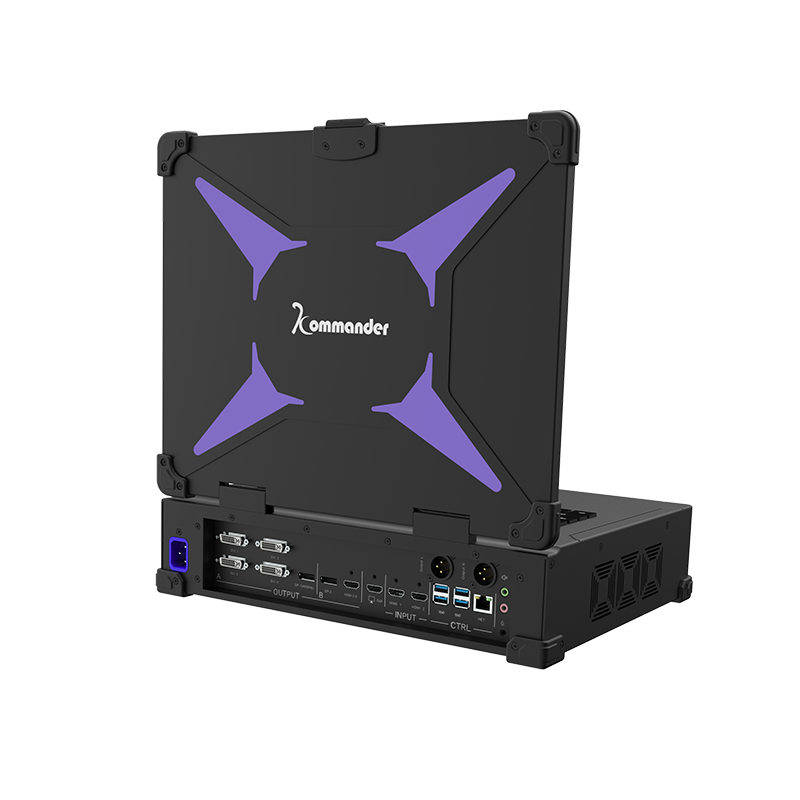
The comparative insight is simple: when choosing a video wall control system, decision-makers weigh synchronisation reliability, deployment flexibility and long-term operational support. This piece compares common architectures and clarifies where Kystar’s approach—particularly its integration with a playback media server—fits within professional installations. The objective assessment that follows is intended for technical leads and procurement officers who require precise, actionable distinctions rather than marketing excess.
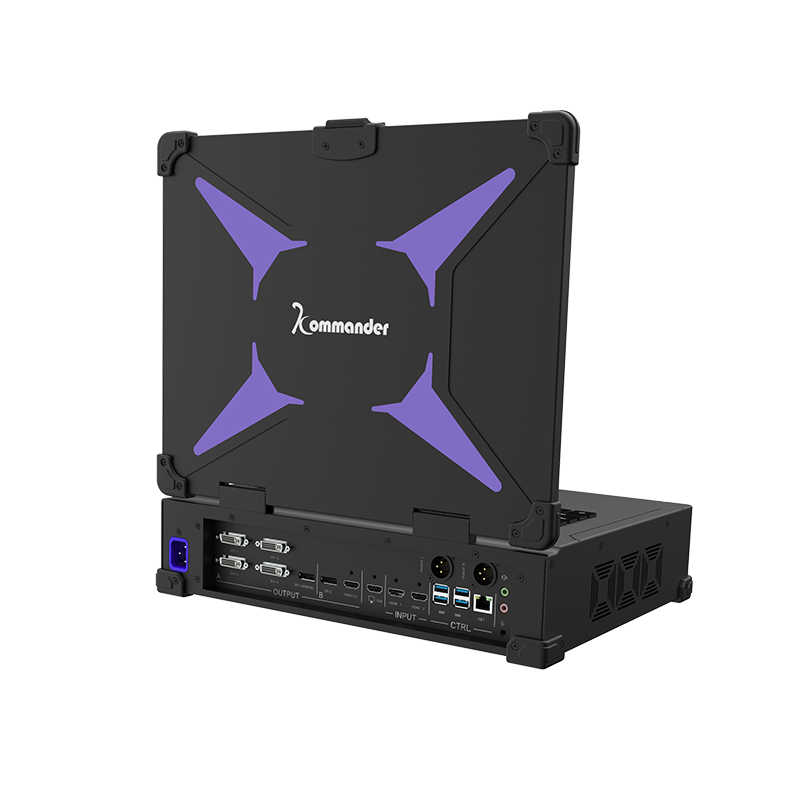
Architectural comparisons: distributed vs. centralised control
Centralised controllers consolidate logic in a single video wall controller, simplifying management but creating a potential single point of failure. Distributed systems push processing towards multiple nodes, improving resilience and scaling more naturally. Kystar’s systems support hybrid topologies, blending central orchestration with edge rendering to achieve low-latency pixel mapping and robust frame synchronisation. That hybrid stance frequently reduces visible tearing and preserves accurate colour across large tiled displays.
Technical strengths that set Kystar apart
Kystar emphasises three technical pillars: deterministic frame synchronisation, granular EDID management and straightforward pixel mapping. Deterministic synchronisation reduces micro-jitter between sources; EDID management ensures each screen reports and receives compatible resolutions; and pixel mapping allows non-standard display arrays to present a single coherent image. The platform’s compatibility with common broadcast workflows and its support for master slave mode provide practical advantages for multi-unit playback orchestration — a capability essential for live events and broadcast playback. The result is fewer service interruptions and simpler on-site troubleshooting — and that matters in a control room environment.
Deployment scenarios and a real-world anchor
Large-scale control rooms and network operations centres in cities such as Vienna and London routinely require synchronised multi-screen playback for monitoring and public information. In those settings, master-slave architectures are standard practice for simultaneous playback and failover. Kystar’s configuration tools are designed to ease commissioning in such regulated, 24/7 environments, where uptime and predictable behaviour are contractual requirements. Integrators report that the platform shortens setup time for complex arrays and reduces the number of manual adjustments during go-live.
Common mistakes, alternatives and an operational teardown
Frequent errors during installation include neglecting EDID chains, underestimating cumulative latency across encoders, and failing to plan redundant pathways. Alternatives to Kystar typically require either greater custom engineering or accept compromises in synchronisation. In an operational production teardown, engineers should inspect {main_keyword} and {variation_keyword} to validate expected behaviour against test vectors — pixel sweeps, latency probes and sustained playback cycles. Avoid over-reliance on a single controller without redundancy; instead, prefer architectures that permit automatic failover and distributed rendering.
Three critical metrics to evaluate before procurement
1) Latency and synchronisation fidelity — Measure end-to-end latency and confirm frame synchronisation under typical load; acceptable thresholds differ by application but, for broadcast-style mixes, sub-40 ms is a conservative target. 2) Scalability and integration — Verify the number of supported outputs, matrix sizes and compatibility with existing encoders/decoders; ensure the system can scale without complete redesign. 3) Resilience and maintainability — Confirm redundancy modes, hot-swap capability and the clarity of operational logs for fault diagnosis. These three metrics separate superficial feature lists from operationally mature solutions. Please treat them as mandatory evaluation criteria during lab trials — they will expose practical weaknesses early.
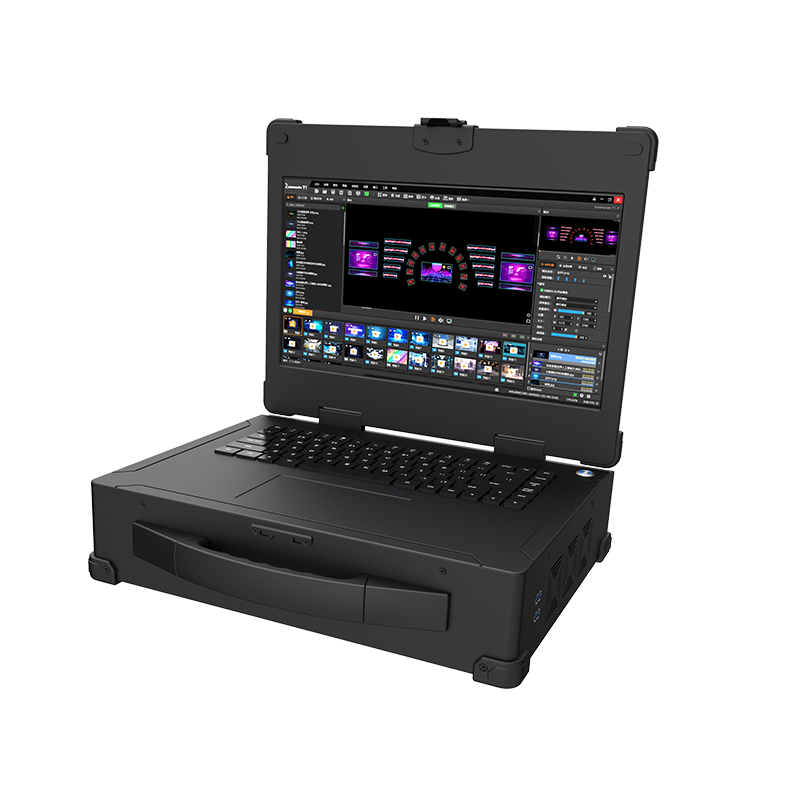
To summarise: choose a system that demonstrates proven frame synchronisation, practical EDID control and scalable pixel mapping; prefer architectures that support master slave mode for coordinated playback and that simplify commissioning in high-stakes environments. For integrators and operators seeking a pragmatic balance between performance and support, Kystar frequently aligns with those priorities — and the platform’s tooling reduces the usual commissioning friction. —