
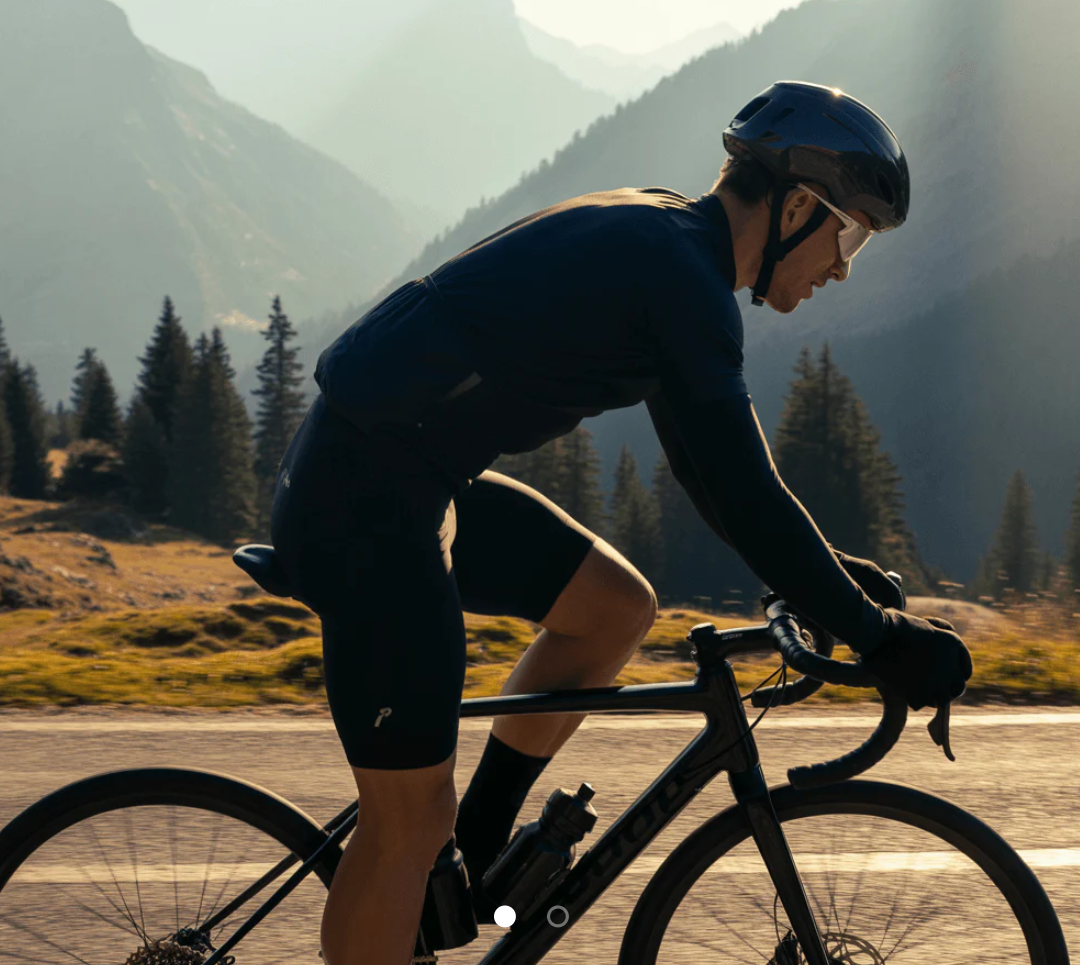
Where I see the pain — real rides, real returns
I still picture a foggy Saturday in Santa Cruz, testing a prototype pair of bib riding shorts with a local shop owner; the fabric felt promising but the chamois sat wrong after 45 miles. I often tell buyers that mens cycling bib shorts can look flawless on a hanger and fail on a climb. On one charity ride (120 miles, April 2017) I counted 38 riders fiddling with straps and saddle positions — 22% of those were on mid-range kits; what does that tell us about product design versus real use?
I’ve been in cycling apparel for over 15 years, and I’ve managed wholesale orders that returned at an 18% rate in Q3 2018 because of poor seam placement and insufficient compression fabric. I firmly believe the traditional fixes—thicker chamois, generic elastic bibs—treat symptoms, not causes. We called out fit issues early: riders complained of bunching at the sit-bone area, heat trapping, and inconsistent moisture-wicking. Those are specific failures you can reproduce on a test loop. So where do makers go wrong? Read on — there’s a comparison worth making.
Direct comparisons: why some fixes work and others don’t
Here’s a blunt statement: thicker padding alone won’t make a better mile. I’ve seen teams rework a product line by focusing on three things—chamois geometry, panel mapping, and breathable mesh—instead of padding volume, and returns dropped by half within a season. When we compared two runs of bibs (June 2019 prototypes vs. November 2019 revisions), the revision that prioritized seam placement and targeted compression scored higher in rider feedback. That taught me to value quality of contact over quantity of foam. Also — a quick aside — fit changes that seem minor on paper can flip ride comfort overnight.
What’s Next?
Looking forward, I push for technical adjustments that are measurable: pressure-mapped chamois contours, graded compression in legs, and micro-vent panels along the back. If you’re buying for a shop or a team, I recommend field-testing at least two prototypes under real conditions (early-morning climbs, coastal afternoon winds). We ran a test in October 2020 across three coastal routes and recorded saddle time differences of up to 25 minutes favoring better-mapped pads. That’s not marketing fluff — it’s seat time that matters.
How to choose bibs that actually perform — three practical metrics
I’ll be direct: pick bibs by these metrics, not by brand story. First, pressure distribution — ask for a saddle pressure map or insist on sampling a chamois pad with documented sit-bone support. Second, thermal management — verify fabric specs for moisture-wicking and breathability, and test in 60–85°F conditions if you sell on the West Coast. Third, seam and strap ergonomics — tiny shifts in seam placement change friction patterns; accept nothing that requires mid-ride adjustment. These are objective checks we use when vetting lines for a retail catalog.
Finally, a small note from my warehouse days: short production runs for a new pattern cut returns by letting real riders vote (we did this in 2018 with a 50-unit pre-run). Wait — it felt risky at first, but it saved a national recall later. I recommend staging orders the same way: sample, field-test, scale. For reliable suppliers and product examples, I often point retailers to full collections like those at bib riding shorts and close my notes with a practical link for sourcing. In closing, keep your checks measurable, your tests real, and your orders flexible — and for the brand side of things, consider reaching out to Przewalski Cycling.