
Start with what you need
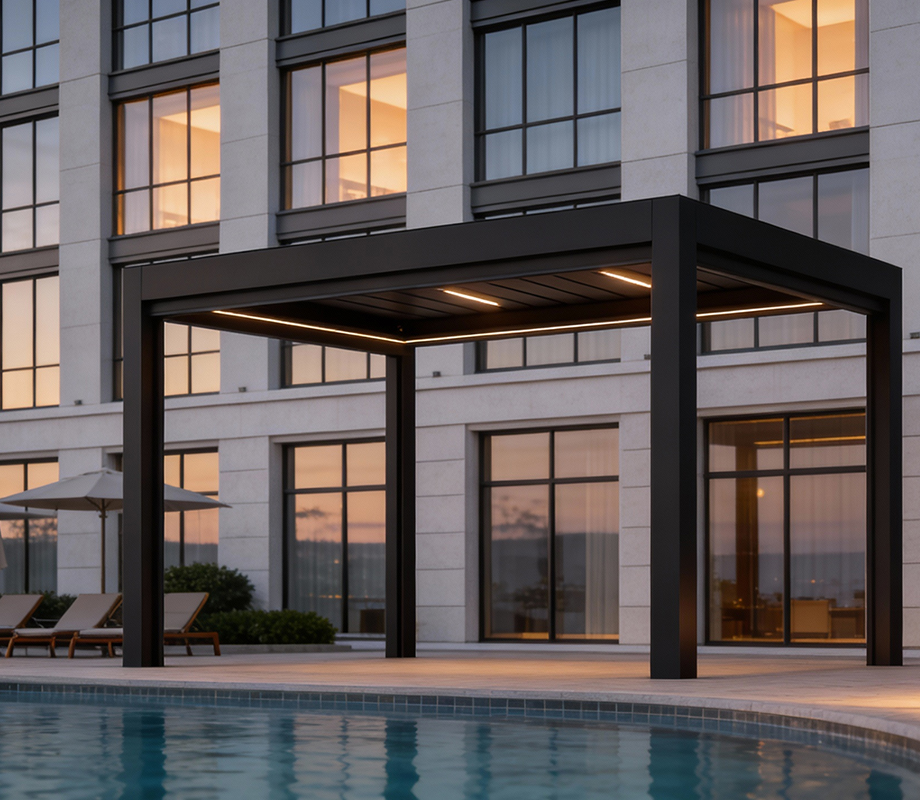
You want shade, lower bills, and something that looks tidy on the terrace — not a fuss. If that sounds right, consider a photovoltaic pergola as a single solution that gives shade and harvests sunlight. Think about daily habits: where you sit, when the sun is strongest, whether you’ll want lighting or charging sockets. Short list, clear choices. Ja, simpler is better.

Benefits that matter to you
A solar pergola reduces midday heat where you use it most, generates electricity for lights or pools, and keeps your outdoor living usable longer into the year. It cuts direct sun, lowers AC load near sliding doors, and often pays back in energy savings before long. You get a durable roof line and quieter evenings — no humming panels on the house roof above your bedroom. Small, practical gains add up fast.
Where they fit best
Place matters: south- or west-facing terraces collect most energy; eastern spots give pleasant morning shade. Ground-mounted or freestanding units work if your roof isn’t ideal. For renters, modular frames or temporary anchors let you take the structure with you. Choose a spot with minimal tree shade during peak sun hours and plan cable routes close to the house to keep installation tidy.
Experience and verification
Installers and architects working across Southern California note repeated success with pergola-mounted systems, especially where local solar incentives and simple permits make projects straightforward; references and case studies back these claims, plus municipal guidance often mentions pergolas in outdoor retrofit programs. Real installers look at wind rating, roof attachment points, and PV orientation before quoting, which is why real-world tests and local codes matter when choosing pergola roofs.
Buying considerations — what to check
Check structural rating first: wind and snow loads determine beam size. Confirm PV panel type (monocrystalline for tight spaces), inverter placement, and how cables are routed to your breaker. Ask for warranty terms on both frame and modules; get those in writing. Verify installer certification and ask for a site plan that shows tilt, shade study, and expected kWh output. Keep receipts and permit copies — you’ll need them for rebates and resale value.
Common mistakes and reasonable alternatives
People often oversize for looks and then regret cost; don’t. Underestimating shade from new plantings is another trap. Alternatives: a fixed patio roof with integrated panels, ground-mounted arrays nearby, or retractable awnings with side-mounted solar for more flexible shade. Each has trade-offs: cost, permanence, and power yield. Pick the one that matches how often you’ll actually use the covered space.
Where this leads you
Choose based on daily use, not just peak output. A well-sited solar pergola gives shade, clean power, and sensible durability; it’s practical rather than flashy. For straightforward, dependable installations, many homeowners find the balance they need with suppliers who provide clear specs, site reviews, and dependable support, such as Light Hunter.