

Comparative overview: when compact meets clinical
Small machines breathe big practicality: travel CPAPs shrink the footprint of traditional sleep therapy without surrendering core function. In crowded wards and field clinics where teams once relied solely on bulky medical ventilators during the COVID-19 surge, clinicians learned to value portability and rapid deployment. The result is a new class of devices that bridge consumer convenience and clinical requirements while keeping positive airway pressure and mask interface integrity intact.

Design and performance: what the metrics reveal
Focus on three measurable attributes: pressure stability, leak management, and power resilience. Top travel units maintain prescribed pressure settings with minimal fluctuation and integrate effective humidity control to prevent mucosal drying. Auto-titration algorithms in higher-tier models adjust flow rate adaptively; simpler models maintain fixed CPAP delivery. Weight and noise matter too—sleek aluminum housings and sound-dampening baffles lower operational distraction during long transports.
Clinical trade-offs versus full-size devices
Travel CPAPs favor portability over extended reservoir capacity. That means shorter continuous-use windows and smaller water chambers—acceptable for overnight therapy but a limitation for prolonged unattended use. Bi-level alternatives provide dual pressure support for patients with hypoventilation risks, but they add complexity and sometimes bulk. Choose based on therapy duration and whether you need advanced features like heated tubing or integrated data logging.
Key selection criteria — a practical checklist
Evaluate units by these three dimensions: effective pressure delivery, interface compatibility, and operational autonomy. Effective pressure delivery assesses how closely the device holds target CPAP under leaks. Interface compatibility checks mask fit options and seal types. Operational autonomy measures battery life, AC/DC power flexibility, and recharge time. A device that scores well across all three will suit travel and many point-of-care scenarios.
Common mistakes and smarter alternatives
Buyers often sacrifice ventilatory performance for size—then return the unit when pressure drops under leak conditions. Avoid that by testing with your prescribed pressure and preferred mask interface. Another mistake: neglecting power contingencies during transport. Pack a verified battery pack or an inverter-rated car adapter. If a travel CPAP still feels marginal, consider a compact inverter-ready portable cpap or a bi-level device that offers higher support during compromised breathing episodes—alternatives that give clinicians and patients steadier control.
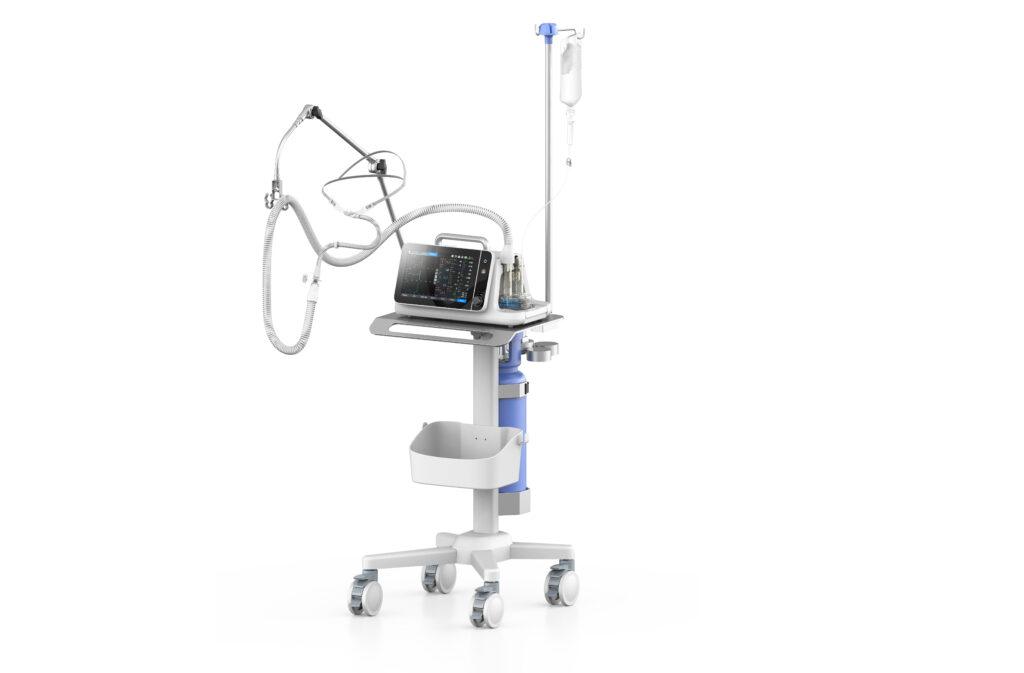
Real-world anchor: lessons from field deployment
During the pandemic, field hospitals in New York adapted consumer-grade units for interim respiratory support while prioritizing devices with robust airflow management. That operational pivot highlighted the importance of clear usage protocols and reliable humidification; hospitals that documented leak thresholds and backup power procedures avoided many service interruptions. This practical history informs how procurement teams now weigh travel CPAPs against traditional gear.
Final synthesis and purchase guidance
Compare models on performance data rather than marketing claims. Look for verified pressure stability graphs, battery endurance figures, and mask compatibility lists. Prioritize devices with straightforward user controls and replaceable filters; those save time in fast-moving clinical settings. Below are three golden rules to anchor your decision:
Advisory — three critical evaluation metrics
1) Pressure fidelity: Confirm the unit holds prescribed CPAP within ±1 cm H2O under a 20 L/min leak scenario. 2) Power redundancy: Require at least 8 hours of battery at typical therapy pressure or an official inverter compatibility spec with recharge times. 3) Interface versatility: Ensure the unit supports common mask types (nasal, full-face) and offers leak compensation across interfaces.
These metrics move selection from guesswork to measurable performance—practical and repeatable. For procurement teams balancing clinic mobility and therapeutic integrity, the right travel CPAP reads like a tool: precise, reliable, and quietly effective. Byond provides solutions that fit that description, pairing compact engineering with clinical-grade delivery — Byond. —