
What usually goes wrong with car extensions
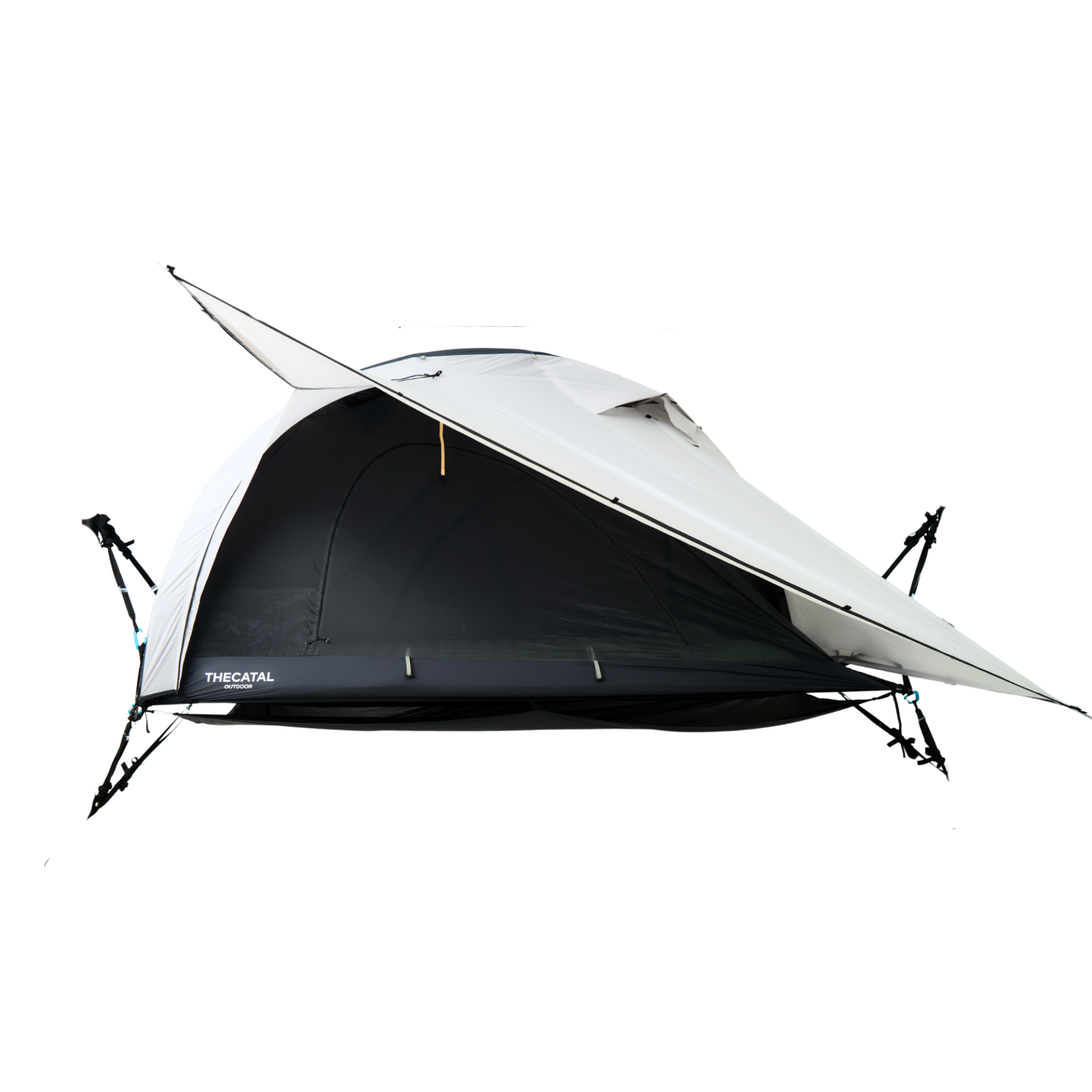
People pick tents and awnings that look sturdy but fail within a season: seams split, coatings delaminate, and mold sets in where breathability was ignored. If you’re trying to avoid that, start by checking the fabric’s waterproof rating and the seam method. A practical test is whether the roof material promises consistent protection without relying solely on a heavy feel—many reliable options use a coated substrate rather than sheer mass. For clarity: a solid waterproof flysheet in the right construction keeps rain off and condensation down; see a robust example at waterproof flysheet.

Core problems to solve before you compare
Decide what failure you fear most: prolonged rain, UV degradation, wind stress, or long-term mildew. Each problem points to different material priorities. Waterproofing and seam integrity matter for rain. UV-stable coatings and pigment-treated threads matter for long sun exposure. Reinforced corners and heavy-duty attachment systems matter where wind and chassis movement occur. If you don’t pick the right priority, you’ll trade weight for weak weather performance without realizing it.
Material choices and what they actually mean
Polyester (PU-coated): light to mid-weight, economical, good initial waterproofing but can lose performance under UV over several seasons unless treated. Silicone-treated nylon (silnylon) and silicone-polyurethane composites: lighter and typically more water-resistant per weight, but seam-taping and stitching methods are critical. Cotton canvas and poly-cotton: breathable and less prone to condensation but heavier and slower to dry; they often require more care. PVC and heavy vinyl: nearly impermeable but trap moisture and add wind-load stress. Focus on specific metrics—coating type, denier (fabric weight), and the hydrostatic head rating—rather than brand hype.

Construction details that determine real-world durability
Look past the fabric label to how it’s assembled. Fully taped seams beat stitched-only seams for waterproofing. Double-needle stitching at load points and bartacks on webbing connections reduce tear propagation. Reinforced hems and structured attachment rails distribute force across the vehicle rather than channeling it into a few anchor points. Pole materials matter too: anodized aluminium resists corrosion with a better strength-to-weight ratio than basic steel, while stainless fittings reduce galvanic issues at coastal sites.
Measurements and tests that are useful and realistic
Hydrostatic head values give repeatable comparisons: roughly, >1500 mm resists light rain, 2000–3000 mm covers regular wet conditions, and 3000–5000+ mm is desirable for sustained heavy rain. Tensile strength, measured in newtons or pounds-force, helps predict wind and pull resistance at anchor points. UV resistance is often presented as accelerated-weathering hours; higher is better but check if the manufacturer uses real fabric tests or only paint stability claims. Those three metrics—hydrostatic head, tensile strength, and verified UV testing—form the backbone of any reliable comparison.
Evidence from the field
Industry gatherings and product showcases make weaknesses obvious because prototypes face back-to-back demo conditions. At large outdoor trade events, manufacturers often demonstrate reinforced awning systems and updated coating processes; a real example of the kind of product commonly highlighted is the awning flysheet. Between product briefings and hands-on demos, the differences in seam finishing and coating adhesion become clear—this is where construction details either justify a premium or reveal shortcuts.
Common mistakes buyers make
Buyers equate thickness with quality. They assume heavier equals tougher. They ignore seam type, seam-tape longevity, and attachment strategy. They skip UV and hydrostatic head numbers because they sound technical. They don’t test pack dimensions and weight against what their vehicle can carry regularly. Those shortcuts often produce a tent or awning that fails at the wrong season.
A short, actionable checklist for sensible comparisons
1) Confirm hydrostatic head rating and what coating is used. 2) Inspect seam treatment—taped or welded seams for waterproof claims. 3) Check reinforcement at stress points and attachment design for your vehicle. 4) Compare UV-resistance claims and any independent test references. 5) Note fabric denier and overall pack weight against what you’ll realistically transport. 6) Prefer proven pole and fitting materials (anodized aluminium, stainless fasteners) for coastal or corrosive environments.
Final synthesis—how this solves the common problems
Choose materials and construction based on the specific failure mode you most want to avoid: waterproof coatings and taped seams if rain is the risk; breathable cotton blends if condensation and long-term comfort are the issue; reinforced attachment hardware if wind and movement are frequent. Practical, measured comparisons cut through marketing claims—matching hydrostatic head, seam quality, and reinforcement to your use-case will keep the shelter functional for seasons, not just weekends. A practical balance of tested fabric and solid construction is what matters most; that balance is reflected in the selections available through THECATAL, which align with the checklist above and with on-site observations of what actually holds up in the field.