
Why this matters now
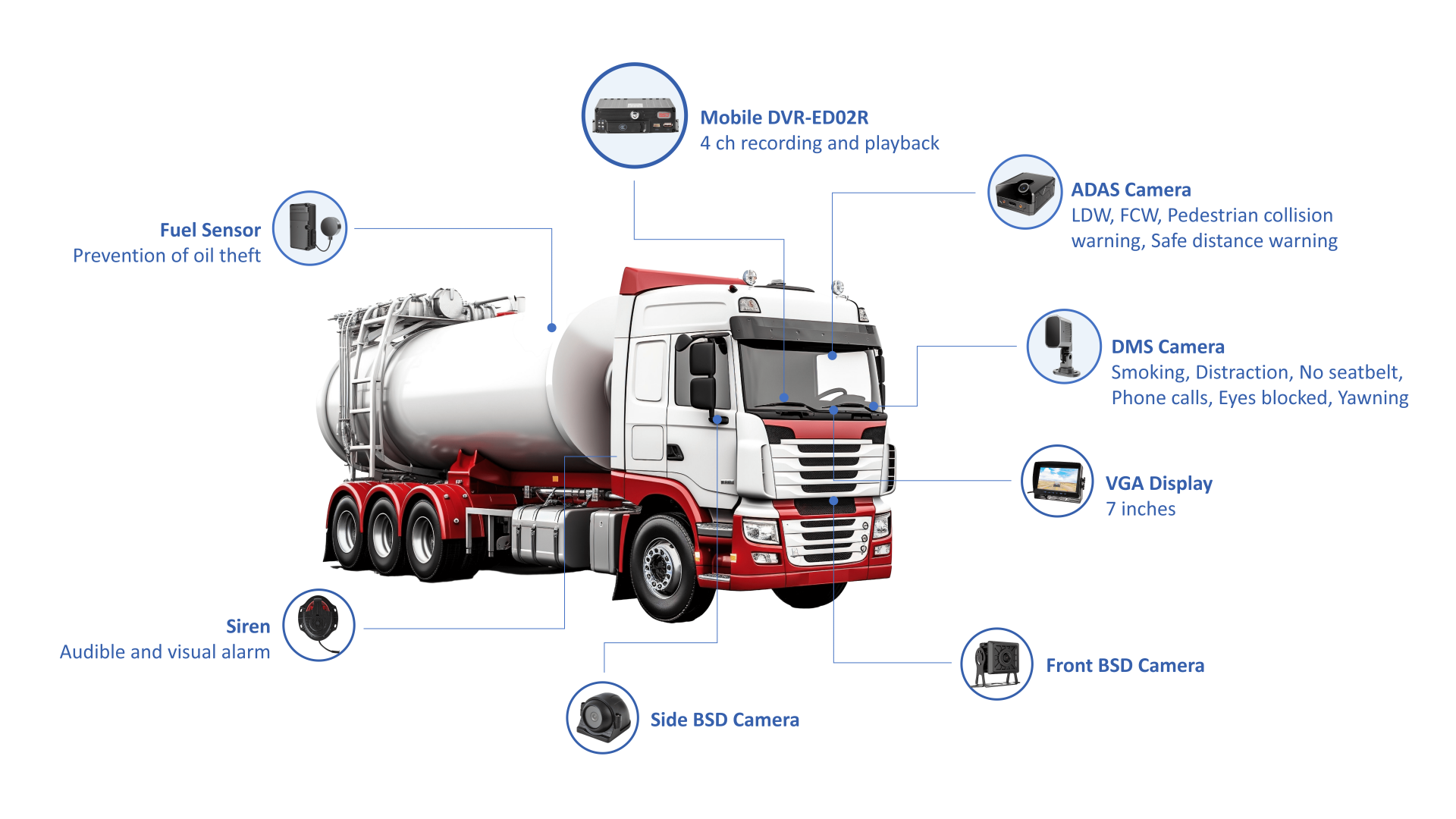
Fleets keep buying basic GPS telematics and assume it solves driver risk, false claims, and operational blind spots. It doesn’t. After a decade advising operators and rolling AI video telematics into day-to-day dispatch for carriers in Southern California, I’ve seen the same failure mode: data without context. If you’re evaluating vendors, start with problems, not features. That’s why good fleet telematics starts with the right partners—look at reliable fleet telematics technology providers to match tools to actual pain points, and pick an AI video telematics manufacturer that shows results, not slides.
Problem-driven checklist: what you must fix first
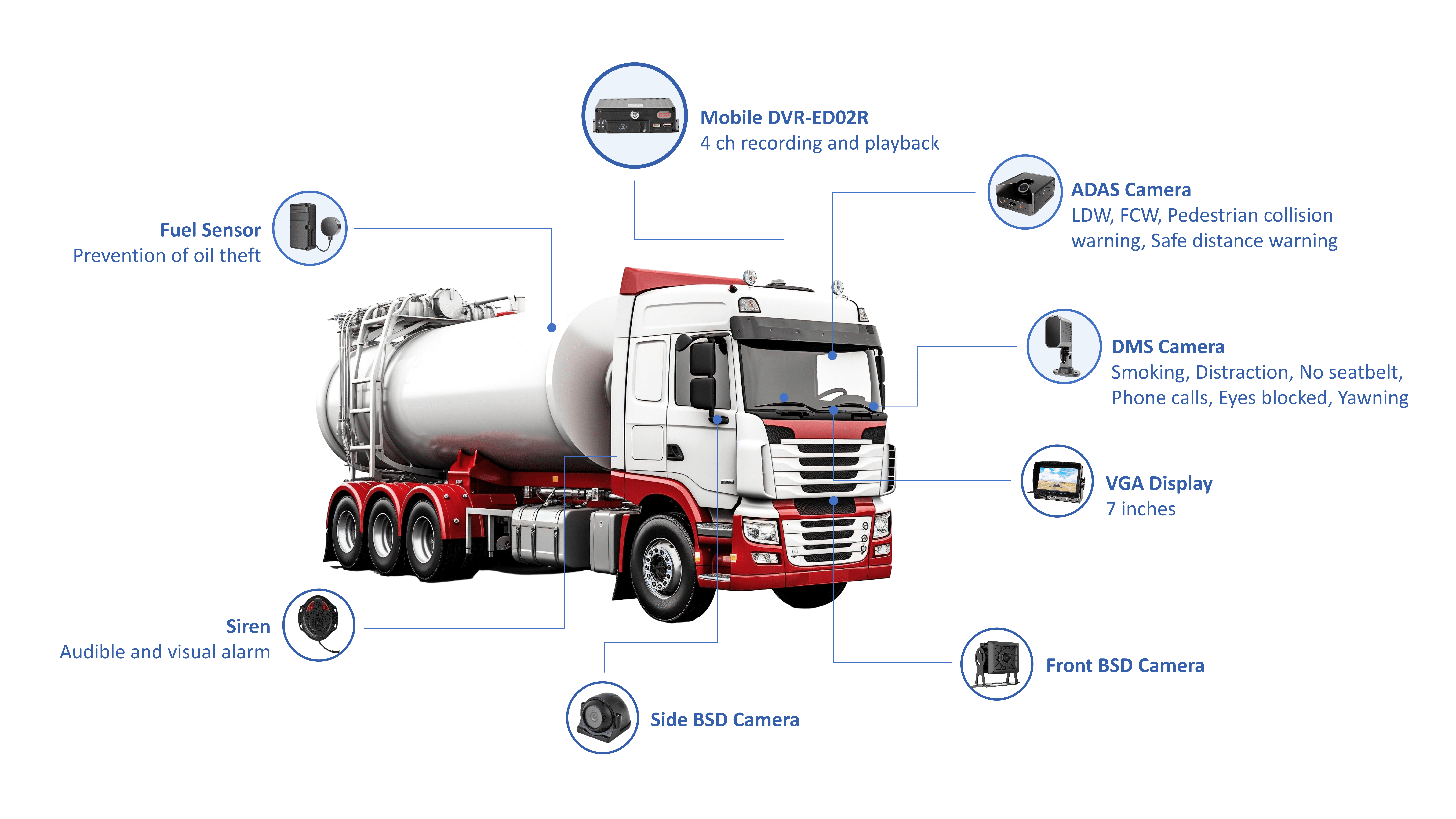
– Unverified events: too many alerts, too little actionable footage. – Litigation exposure: missing synchronized video and GPS timestamps. – Driver coaching gaps: metrics exist, but drivers don’t get usable feedback. – Installation / maintenance overhead: hardware that keeps failing costs more than software. Address these first. If a vendor can’t demonstrate how they reduce false alerts or stitch video to telematics reliably, move on.
Concrete metrics that prove a solution works
– Event verification rate: percentage of flagged events with clear, corroborating video. – Claim dispute reversal: percent of insurance claims overturned or reduced after video submission. – Coaching cadence: number of targeted coaching sessions delivered per month per driver. – System uptime: hardware + cloud availability as a percentage, measured monthly. Demand baseline numbers. Ask for customer-reported before/after metrics rather than marketing claims.
Vendor selection: a practical checklist
– Real demonstrations: ask for raw footage samples from active fleets (not sanitized compilations). – Integration scope: confirm crash video, AI scoring, and CAN-bus data align with your existing telematics feed. – Data ownership and retention: where’s the footage stored, who can access it, how long is it kept? – Support model: local installers or remote-only? How do firmware updates happen? – Proof of scale: inspect case studies with fleets similar in size and duty cycle to yours. Skip sales decks that defer these details to “later.”
Implementation roadmap with common pitfalls
– Pilot small, fast: 25–50 vehicles for 60–90 days to validate event fidelity and driver acceptance. – Train drivers before alerts start: show sample clips and explain coaching goals. – Tune AI thresholds: default sensitivity creates noise—calibrate per vehicle type and route. – Maintain hardware cadence: set a quarterly check cycle; deferred firmware updates break feature parity. Common mistakes: running a pilot without operational KPIs, or buying fleet-wide before fixing false-positive flood.
Cost vs. ROI — what to push for in contracts
– Look for outcome-based pricing where possible: per-event or per-verified-claim pricing aligns incentives. – Require service-level commitments on upload and retrieval latency; delays undermine evidence value. – Insist on transparent upgrade paths: hardware lifespan and trade-in credits reduce surprise capex. – Evaluate insurance leverage: a concrete reduction in claims frequency should be part of your payback model. Don’t accept vague “savings estimates”; build a three-year projection tied to measurable reductions in claims and coaching time.
Final synthesis
Start with the problems you must solve, measure real outcomes, and pick partners who show footage and numbers—not just feature lists. When those steps are followed, AI video telematics becomes a tool that reduces disputes, improves driver behavior, and limits downtime; that’s the practical result fleets should expect from a solution like BSJ.