
Problem: Small shops and plants are squeezed from both sides
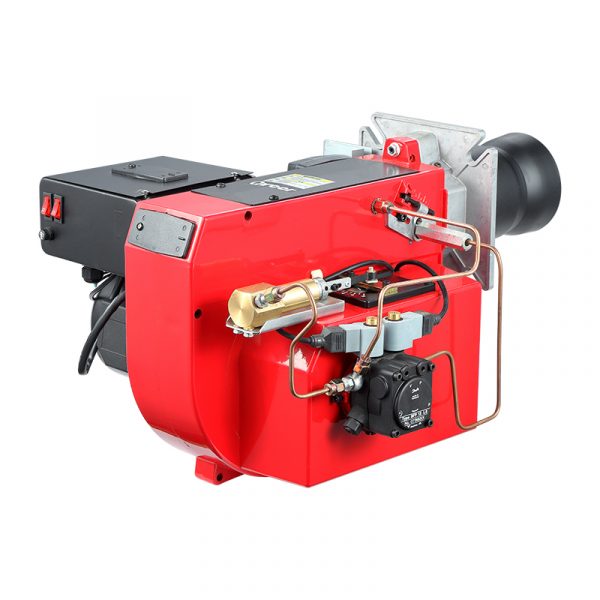
Around here, yards and small mills get slammed when fuel costs jump and waste piles up; they can’t afford long lead times or fancy logistics. Folks look at a diesel fuel burner as a quick fix — a way to burn what they’d otherwise haul off — but that quick fix brings its own headaches if you don’t size, install, and maintain it right.

Why waste oil heaters seem like the smart patch
They cut disposal fees, give on-site heat, and lower dependence on delivered fuels. For local suppliers who move parts, steam, or shop-floor heat, that means fewer halted runs and less scrambling for scarce deliveries. The promise is simple: reuse what you got and steady up the flow of operations.

Real-world anchor: what seasoned techs see in the field
I’ve worked service runs across the Houston petrochemical corridor and spoke with plant techs at AHR Expo booths; time and again the issue was the same — mismatched burners and contaminated feedstock wreck performance. Choosing an oil burner high efficiency system and keeping it clean makes a measurable difference in uptime and emissions, plain and simple.
Common pitfalls that turn a fixer into a liability
People skip pre-filtration, ignore flashpoint testing, or install burners sized for ideal fuel—not the reality of mixed waste. That leads to clogged nozzles, incomplete combustion, and downtime. Don’t trust vague specs; inspect samples, test viscosity, and match burner air settings to the actual fuel you burn.
Practical fixes you can act on this week
Start with a small audit: quantify waste-oil volume, note contaminant types, and measure storage conditions. Add a basic filtration and settling step before the burner, fit a properly rated nozzle, and set a regular brush-and-check schedule. Train one technician to own the unit; consistency beats occasional expert visits every time.
Final take: steadying local supply chains with practical choices
If local plants want fewer interruptions, they need honest-fit gear and honest upkeep. When teams pick efficient burners, maintain them, and handle feedstock right, waste oil heaters stop being a bandage and start being a dependable part of supply resilience — the kind of pragmatic solution you’ll find discussed and supported by Career Burners.