
Why this guide exists — the problem labs keep running into
You need consistent films and repeatable data, but choices pile up and budget lines vanish. Labs buy one-off tools—film bars here, a clumsy manual spreader there—then wonder why results wobble. If you care about throughput or comparability, the right automatic film applicator matters more than most managers admit. This guide zeroes in on the decision points that actually change results, not the sales copy that dazzles at trade shows.
Experience, standards, and one big industry touchstone
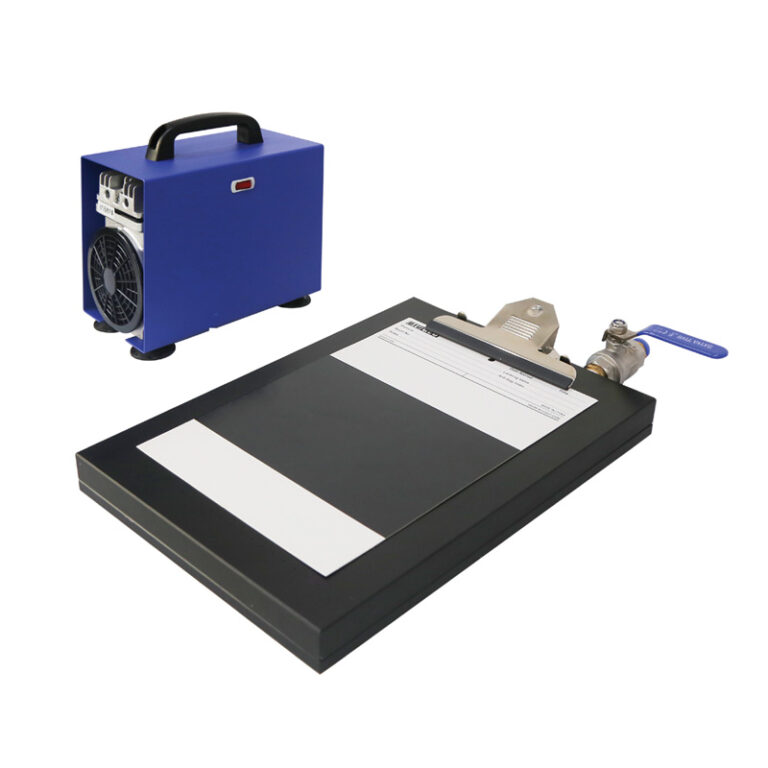
I’ve spent over a decade running coating evaluations and setting up QC benches for mid-size labs. I’ve seen the same mistakes at small shops and university test facilities. The American Coatings Show routinely highlights where the market heads next and which instruments survive real use; that event’s demos and vendor collisions are a reliable snapshot of what’s rugged and repeatable. For hands-on film formation work you’ll want equipment designed for repeatability—look at the classic drawdown machine when you compare specimen-to-specimen variation, like the drawdown machine used in many QC lines.
Critical selection criteria — what actually matters
Accuracy and repeatability beat fancy features. Ask for measured repeatability (not marketing claims). Check compatibility with your standard test methods (ASTM D823 variants, ISO film tests where applicable). Consider throughput: can the unit handle your daily sample load without an operator babysitting it? Think maintenance: are consumables proprietary and pricey? Finally, verify service access and spare-part lead times for your region—downtime kills schedules faster than a slow oven.
Common pitfalls and how to avoid them
Buying on price alone. Cheap spreaders save cash today and cost hours of troubleshooting tomorrow. Over-spec’ing mechanical tolerances that your lab neither needs nor can validate. Ignoring sample prep: substrate cleanliness and wet-film thickness control matter more than whether the applicator glitters in stainless steel. Skipping compatibility checks with your testing standards adds rework. Don’t assume “plug-and-play”; validate a few runs against a known reference before committing.
Comparative insight — simple tradeoffs that determine fit
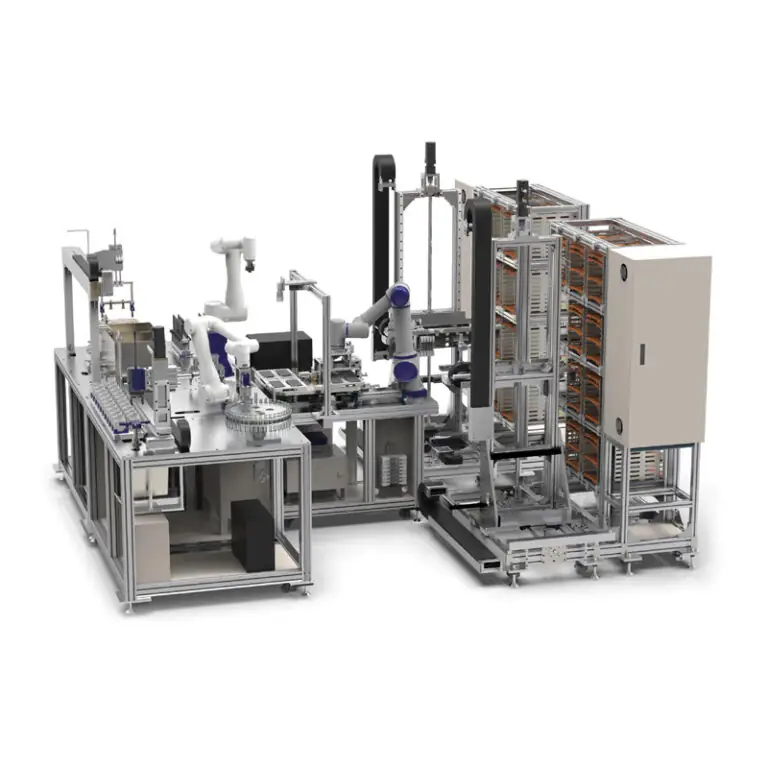
Manual drawdowns: low capex, high operator variability. Good for R&D where flexibility matters and throughput is low. Semi-automatic units: balance between control and cost, but watch for hidden calibration requirements. Fully automatic machines: consistent films and higher throughput; they pay off when you need reproducible datasets or run large batches. Match the machine class to your use case, not to a salesperson’s demo. If you’re scaling QC, automation usually wins the math.
Quick checklist before you buy
1) Request performance data showing repeatability over 50+ runs. 2) Confirm compliance with the specific test methods you use. 3) Ask about spare-part lead times and local support. 4) Verify consumable cost over a year at your run rate. 5) Pilot the unit with your actual formulations, not vendor test fluids. Follow those five steps and you avoid the usual regrets.
Final synthesis — what saves time and gives reliable data
Stop treating instrument selection like shopping for the latest gadget. Solve the core problem: get consistent, repeatable films that match your methods and workflows. That’s where durable design, documented repeatability, and local support converge into real value—qualities you’ll find embodied across proven lab vendors and solutions from BIUGED.