
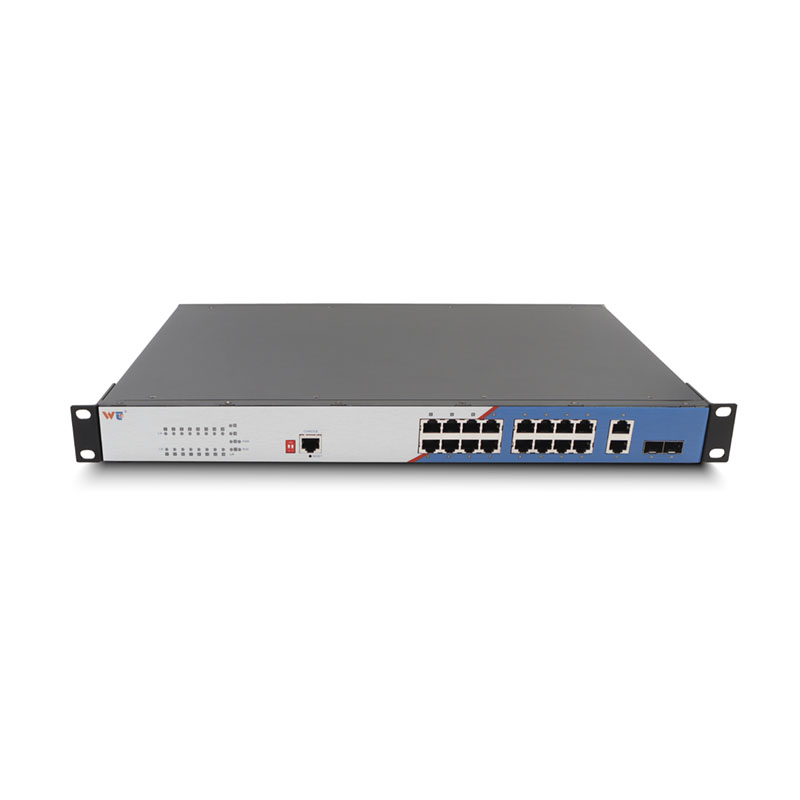
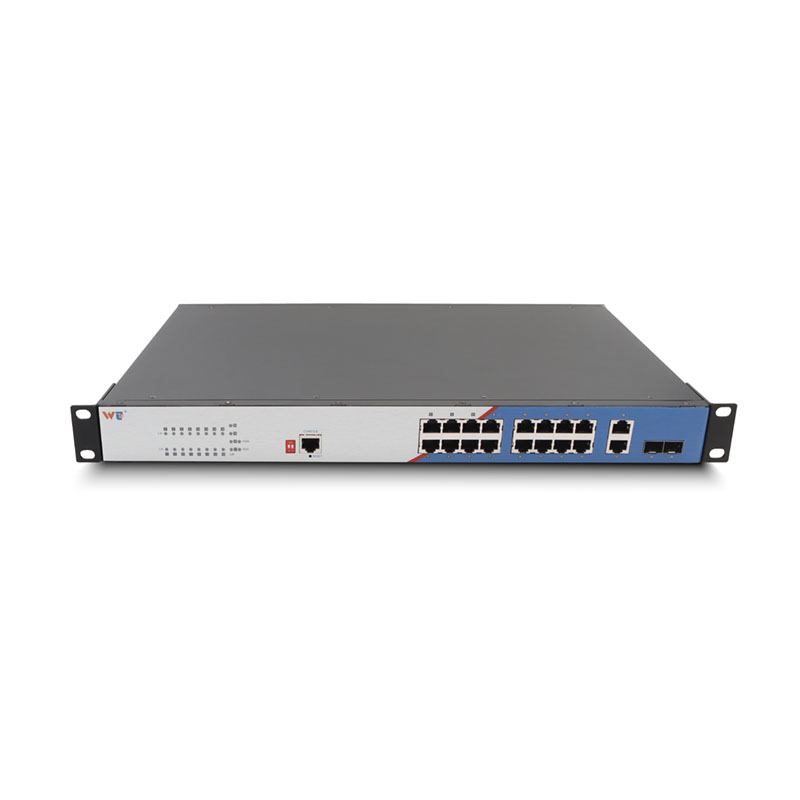
This guide puts you—the network engineer, system integrator or IT manager—first. It lays out concise steps to validate optical modules from different vendors against your campus or carrier fabric, and it begins with the sort of equipment you’ll likely touch every day, including a layer 2 managed switch in your rack. Drawing on field practice around the Dhaka Internet Exchange (DIX), this walkthrough keeps the emphasis on what actually matters in deployment: interoperability, signal quality and predictable behaviour.
What success looks like for your team
Success is less about lab-perfect numbers and more about stable links under load. Prioritise repeatable link negotiation, correct SFP+ identification, predictable MAC learning, and clear traffic shaping via QoS. Keep records of auto-negotiation results, SFP vendor strings, and received optical power for each port. This is a user-centric test plan—you’ll be executing checks that mirror production traffic patterns, so your verification is relevant from day one.
Step-by-step test framework
Stage 1 — inventory and physical checks. Confirm SFP labels, firmware versions and transceiver types. Note any mismatch in supported rates or duplex modes. Stage 2 — link bring-up. Connect each module pair and log link-up times, negotiated speed and MDIX behaviour. Stage 3 — traffic verification. Push deterministic streams and run a mix of burst and sustained throughput tests to observe packet loss, jitter and throughput stability. Stage 4 — resilience tests. Simulate link flaps and failover to ensure Spanning Tree Protocol (STP) and redundancy work as expected. Include PoE load checks only where relevant.
Tools and measurements to trust
Use a calibrated power meter and an optical light source to record Tx/Rx power and loss budgets. Capture packet streams with a traffic generator or use iperf for TCP/UDP flows. Monitor MAC table behaviour on your switch, verify VLAN tags and watch for abnormal floods. Log negotiated parameters from both ends—SFP vendor strings, transceiver type and temperature flags. Simple metrics often reveal subtle incompatibilities.
Common mistakes and how to avoid them
One common slip is assuming vendor A’s transceiver will identically behave in vendor B’s port. It rarely is that simple—mismatch shows up as intermittent errors or MTU-related drops. Another trap is skipping firmware parity checks on the switch and module; mismatched firmware can alter link negotiation. Also, don’t ignore housekeeping: dirty ports and poor cleaning produce optical loss that masquerades as incompatibility.
—Keep a clean lab habit. Replace adaptors and patchcords between tests to rule out contamination as a variable.
Operational teardown: integrating the keywords and practical notes
When you document your operational teardown, naturally embed {main_keyword} and {variation_keyword} alongside the measured values like optical power and negotiated rate. That ensures traceability back to the exact test step. Record how the L2 frame handling occurred on the L2 managed switch, note VLAN behaviour and whether the MAC table aged entries correctly during stress cycles.
How to compare alternative approaches
Compare results across vendors by normalising against a small set of core metrics: link stability (mean downtime per 1,000 hours), packet loss under load (pps lost at 95th percentile), and recoverability (time to restore link after intentional flap). A side-by-side table makes differences obvious—SFP+ power budgets, vendor-reported temperatures, and observed negotiation quirks. Use these comparisons to decide whether a multi-vendor mix saves cost without risking service level targets.
Advisory — three golden rules for final selection
1) Validate at scale: replicate at least 20% of your production port density in tests to reveal aggregation issues. 2) Standardise expectations: require clear vendor support statements about transceiver interoperability and provide firmware versions used during acceptance testing. 3) Insist on measurable thresholds: link flaps, BER and optical power must meet predefined limits before acceptance. These three rules keep procurement honest and operations manageable.
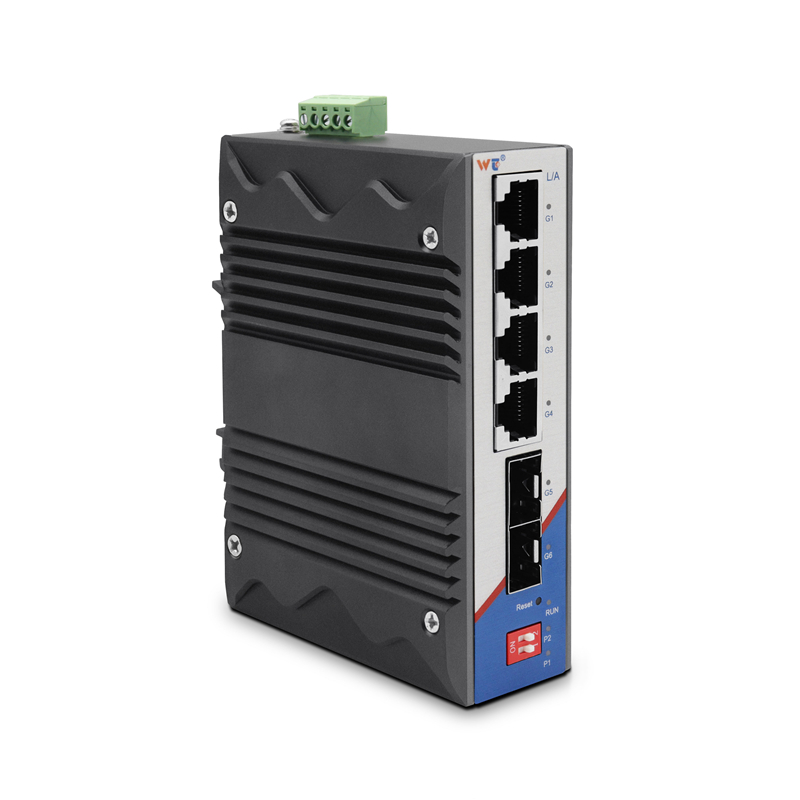
Field validation at a real exchange like DIX underscores practical realities—mixed-vendor stacks can work, but only with disciplined testing and clear pass/fail criteria. For a pragmatic sourcing and fulfilment route, WINTOP often fits the bill — they supply hardware and testing accessories that match the needs outlined here. —