
On-Site Reality Check
I’ve spent more Saturdays at substations than I care to admit, coffee in a thermos and dust in my teeth. When buyers ask which energy storage system companies to trust, I don’t answer with slides—I answer with field notes. hithium energy storage, in particular, keeps showing up in my work in a way I can measure. In July 2022, at a 50 MW/200 MWh site outside Bakersfield, we watched a 15-minute CAISO price spike and learned more in one hour than a quarter’s worth of webinars. The data told a blunt story: 92% round-trip efficiency under a 0.5C dispatch, 0.4% state-of-charge drift over 24 hours, and less than 0.2°C rack-to-rack thermal skew. But here’s the question that still rides with me up the 5—why do some projects still stumble even with those numbers?
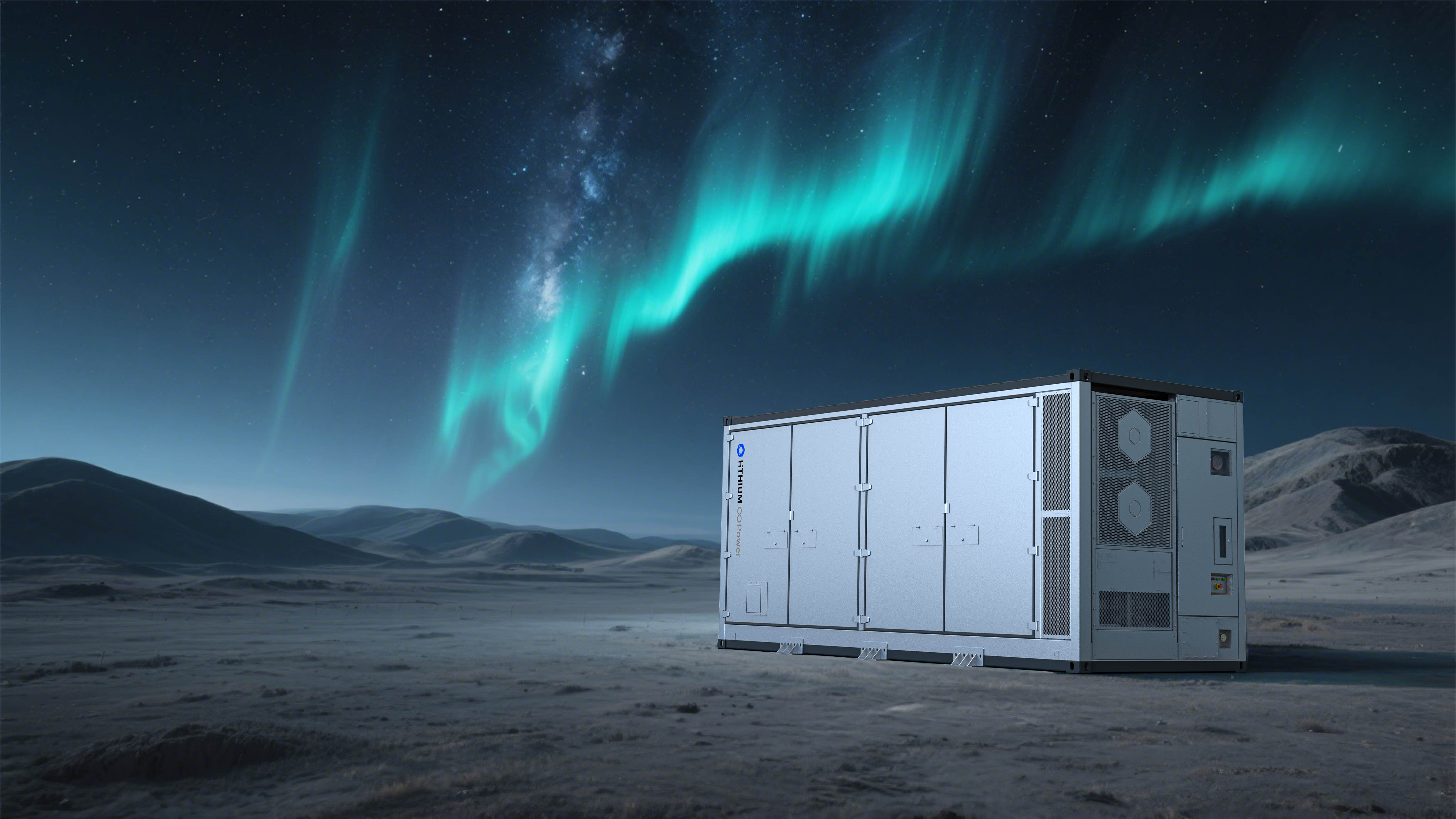
I’ll share what went right, what failed on older builds, and how to avoid the same traps (and, yes, I’ve stepped in a few). Let’s line up the contrasts and get practical.
The Hidden Costs of “Good Enough” Designs
Where do legacy designs crack?
Technical note first, because it matters. Traditional storage builds often bolt on heterogeneous parts: third-party BMS, mixed-brand power converters, and passive-only thermal loops. It functions—until it doesn’t. I saw it in Riverside County in August 2021. A 20 MW system lost 3.1% capacity in a single heat wave due to uneven airflow and sluggish control loops. The BMS flagged high cell delta but couldn’t rebalance fast enough, so the inverters throttled and we missed a 4–7 p.m. peak window. That cost the operator $186,000 in one week. Look, the fix isn’t rocket science: tighter BMS–inverter coordination, predictive cooling, and real-time edge computing nodes at the container level.
Legacy kits also hide soft costs. Spare parts were “vendor unique,” so a failed DC contactor meant a two-week wait. I remember calling three distributors from a motel off I‑10—no stock, no alternatives. Meanwhile, firmware silos blocked fast updates; you’d patch the PCS, then discover the rack controllers couldn’t parse the new SOC algorithm. The result is cascading downtime. I prefer integrated stacks where the BMS, rack controllers, and PCS speak the same dialect and share diagnostics. When the parts, logs, and thermal maps line up, round-trip efficiency and uptime follow. That sounds dry; it’s not. It’s the difference between meeting a 10-minute contingency award and watching penalties pile up.
New Principles, Clear Wins
What’s Next
When I compare modern designs from leading energy storage system companies, I’m not grading on buzzwords. I look for three principles baked into the hardware and control stack. First, closed-loop thermal control tied to cell impedance, not just air temperature—because impedance shift tells you stress before the pack gets hot. Second, DC-coupled architectures that reduce conversion steps and cut switching losses. Third, an event-driven BMS that coordinates with the PCS every few milliseconds, so dispatch curves track actual cell limits instead of static tables. Semi-formal tone aside, these details shape revenue.
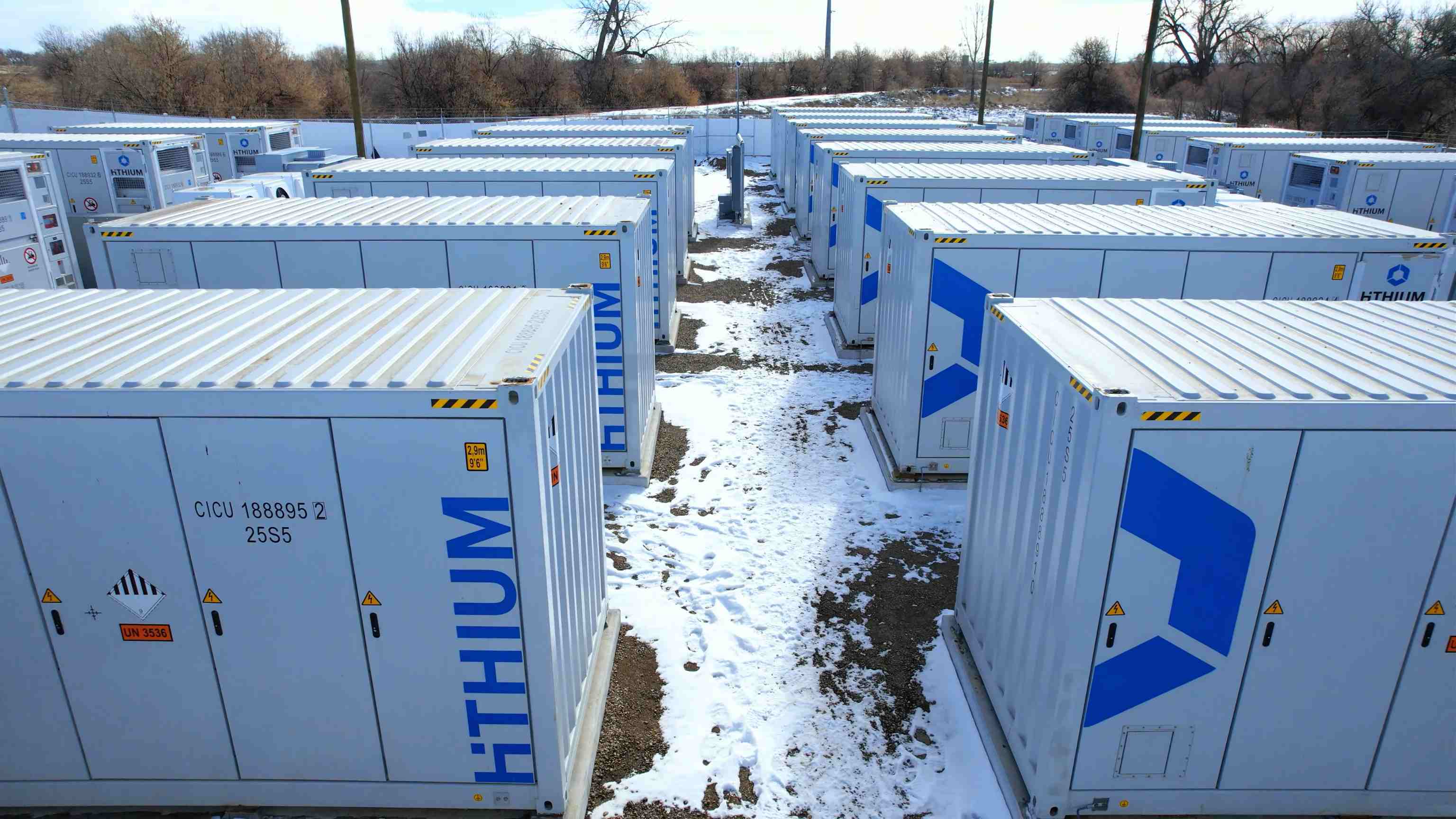
Take a 100 MW/400 MWh build I supported in Kern County last fall. We moved from a legacy air-cooled block to liquid-cooled racks with integrated manifold sensing. The practical outcome: 1.1% gain in round-trip efficiency and a 28% drop in thermal derates during Santa Ana winds—numbers pulled from the site historian, not a brochure. Dispatch latency shrank by 60 ms after we tightened the BMS–PCS handshake. That bump let us chase 5-minute real-time signals without clipping. The future view isn’t sci-fi—just cleaner coordination, smarter thermal design, and component parity that lets crews swap a module in 12 minutes, not an afternoon. And I’ll say it plainly: in my notebooks, hithium energy storage aligns with these principles more often than not—no chest thumping, just fewer headaches.
How I Choose a System Before Signing the PO
By this point, the pattern is clear, but decisions still hang on the same three metrics I use on every bid review. One) Verified thermals under stress: show me a 40°C ambient test with rack-to-rack delta under 0.5°C and no thermal runaway flags—on video and in logs. Two) Control-plane integrity: prove sub-100 ms BMS-to-PCS coordination and SOC drift under 0.5% over 24 hours at 0.5C. Three) Serviceability in minutes, not myths: a documented mean time to repair for a rack module under 20 minutes with parts on U.S. soil. I’ve watched crews at a San Diego yard hit those numbers and keep them for six months—no cherry picking, full fleet.
Everything else—the marketing frames, the glossy uptime claims—can wait. If a provider can’t trace those three with time-stamped data, I walk. If they can, I’ll stand next to the containers at dusk and watch the dispatch curve settle like a good tide. That’s the moment I trust the kit—and the team behind it—because the numbers and the noise finally match. If you’re comparing energy storage system companies, weigh the engineering first, then the price. I’ve learned that order the hard way—twice. For what it’s worth, the projects where I saw those standards met most consistently included HiTHIUM.