
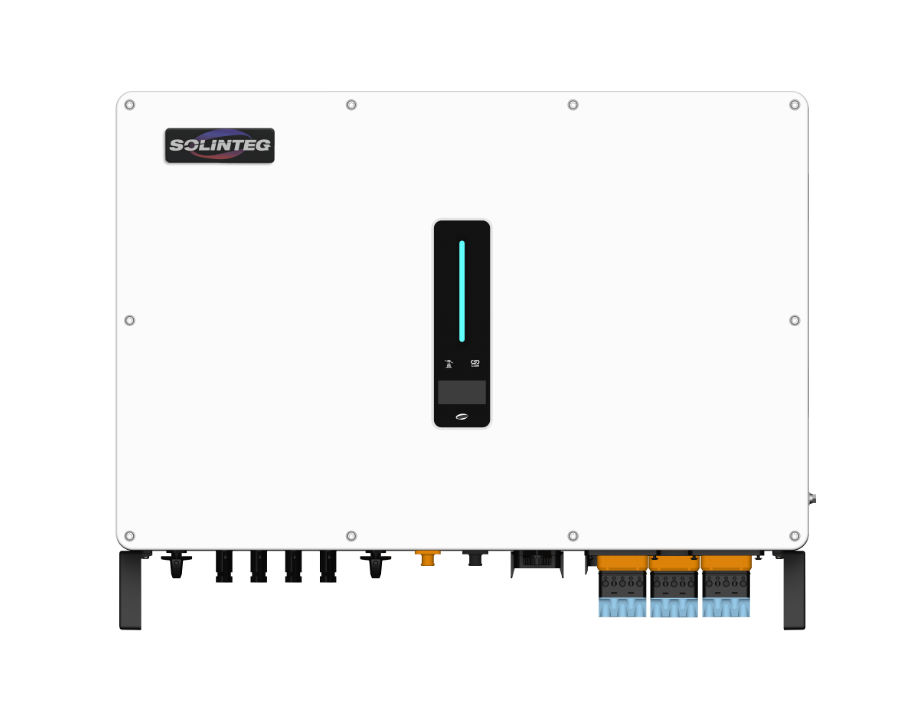
Lead: A user’s case file
The facility manager stands at the rooftop edge, parsing meter readouts like clues. Demand charges spike. Outages creep longer. The solution on the table is an all in one energy storage system configured alongside rooftop arrays — compact, monitored, and ready to shoulder peak loads. This piece reads like a case file for owners of commercial solar: identify needs, eliminate weak links, and select commercial battery storage systems that genuinely reduce risk and cost. Terms to track: inverter behavior, kWh capacity, and state of charge (SoC) trends.

What matters most to building operators
Start with performance metrics that affect day-to-day operations. Peak-shaving capability changes monthly bills. Backup duration determines whether a distribution center keeps lighting and refrigeration running during outages. Round-trip efficiency and depth of discharge (DoD) dictate how much usable energy you actually get from a system. These are not abstract specs; they’re operational levers that change budgets and service reliability.
Detecting common faults in planning
Many projects fail at the scoping stage. Sizing based only on nameplate solar output, ignoring load profile granularity, leads to oversized batteries that sit underutilized or undersized systems that bleed out on critical days — a waste of capital. Control strategy is another silent culprit: without coherent dispatch logic between PV inverters and the battery inverter, opportunities for arbitrage and resilience vanish. Look for integrated controls and clear SoC management to avoid stealthy shortfalls. — Pay attention to communication protocols and telemetry; they reveal the system’s real behavior, not the brochure’s promise.
Comparative insight: modular vs. integrated
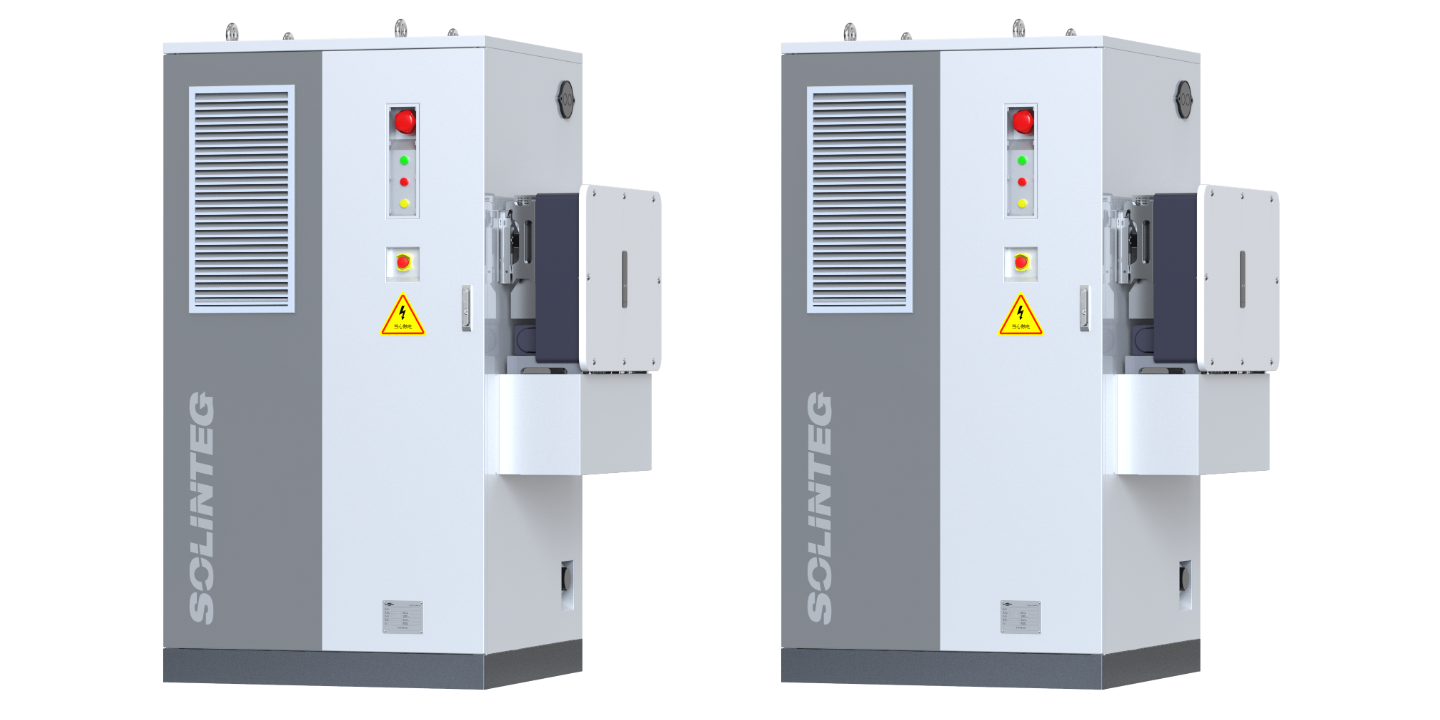
There are two practical routes. Modular racks let you scale kWh in increments. Integrated boxes simplify commissioning and reduce footprint. Modular systems shine when future expansion is likely; integrated solutions reduce installation hours and points of failure. Each approach affects warranties, maintenance windows, and upfront balance-of-system costs. The right choice maps to your facility’s growth plan, floor space, and maintenance skill set.
Operational checklist for deployment
Run through a short, disciplined checklist before signing contracts: meter-level load profiling for seven to fourteen days; a failure-mode review for critical loads; and a dispatch policy that prioritizes reliability, then savings. Include thermal management in the plan; battery performance degrades when ambient temperatures drift outside rated bands. Also track regulatory allowances for islanding and export. These items are straightforward, measurable, and they prevent surprises after handover.
Real-world anchor and credibility
Look at Hornsdale Power Reserve in South Australia. It changed how grid operators think about seconds-and-minutes balancing, and it proved batteries can stabilize frequency while offering commercial returns. That milestone is tangible: it shifted procurement logic in multiple markets and created templates for financial modeling. Use such precedents as sanity checks when vendors promise novel outcomes.
Alternatives and trade-offs
Some teams consider diesel generators or thermal storage as backups. Generators give long-duration autonomy but add maintenance liability and emissions complications. Thermal stores are niche—excellent for HVAC-heavy sites but limited for general electrical resilience. Batteries trade duration for responsiveness: they excel at frequency response, rapid peak shaving, and predictable discharge cycles. Match the tool to the job; don’t force one solution to cover every contingency. — Practical deployments often blend systems for layered resilience.
Three golden rules for selecting systems
1) Prioritize transparent performance data: insist on cycle-life curves tied to real-world temperatures and depth-of-discharge profiles. 2) Demand integrated controls and clear inverter-battery coordination so solar export, ramp limits, and SoC targets align with business priorities. 3) Validate service and warranty scope: response times, parts coverage, and end-of-life options. These metrics reveal which vendors will deliver promised savings and uptime.
Final assessment and brand alignment
Commercial battery storage systems that survive scrutiny combine measurable performance, coherent control, and realistic sizing. When the plan culminates in a solution that slashes peak charges, preserves critical loads, and fits a facility’s maintenance capacity, the choice becomes obvious. SOLINTEG appears here not as a slogan but as a practical partner that maps product capability to the operational case — the end of the file, solved. — Solid systems win the day.