
Introduction — a quick farm scene, a number, and a question
I was at a small poultry house last spring when the lights kept cycling on and off during a cold snap. The hens paced, the worker frowned, and I thought: we’ve done better with phones than with barn lighting. In many barns, led barn lights are still treated like simple bulbs, not as part of a control system — yet studies show farms can cut energy use by up to 40% with smarter setups (yes, even on older wiring). So how do we move from “replace bulb” to “optimize light” without breaking the budget or the birds’ rhythm?

I’ll walk you through what I see on farms, what actually fails, and what simple changes bring real results. Expect plain language, a few real terms from the field, and my honest take — no fluff. Let’s get into the problems first, then the fixes.
Where the poultry lighting system falls short: common flaws and hidden pains
I want to be blunt: many older installs of a poultry lighting system were designed by contractors who thought “durable bulb” meant “set and forget.” That approach hides big pain points. Wiring often can’t handle low-voltage dimming. Ballasts or old power converters mismatch with LED drivers. The result is flicker, uneven lumen output, and shortened fixture life. Look, it’s simpler than you think — but only if you first admit the old design was never meant for control systems.
Why do these failures keep happening?
One technical reason is component mismatch. For instance, LED drivers expect stable current, but legacy power converters produce noisy voltage spikes. Add in poor thermal management and you get early LED failure. Then there’s the human factor: managers who trust a single bright bulb to fix comfort problems. That ignores color temperature and dimming schedules that actually affect bird behavior. I’ve seen racks fail because edge computing nodes were never integrated, so sensors spoke a language the controller didn’t understand. — funny how that works, right?
New principles for smarter poultry lighting systems
Moving forward, I recommend anchoring any redesign on two principles: compatibility and control. Compatibility means picking LED drivers, power converters, and sensors that follow the same communication standards. Control means putting in simple automation rules: ramp up at dawn, hold steady during feed times, dim slowly at night. These aren’t futuristic ideas; they’re common-sense steps that reduce stress for birds and labor for people. I’m not saying every farm needs a full edge computing nodes deployment — but targeted local control can cut energy and improve uniformity.
What’s next: practical steps and what to expect
Start by auditing your fixtures and controllers. Check lumen output, color temperature, and whether your current drivers support dimming protocols. Then pilot with one house: install compatible LED drivers and a basic controller, measure outcomes for a month, and adjust. You’ll likely see smoother light curves, fewer callbacks, and better feed conversion — measurable wins. I recommend documenting the process so you can scale what works. — yes, there’s some upfront cost; but the ROI is straightforward.
Three metrics I use when choosing and evaluating solutions
When I advise a farm, I focus on three clear metrics you can measure: 1) Energy use per square foot during peak hours (kWh/sqft), 2) Light uniformity index (how even the lumen output is across the barn), and 3) System uptime (percent time lights behave as scheduled). These numbers beat vague promises. If a vendor can’t give baseline numbers and target improvements, I trust them less. I want hard answers because farmers deserve simple ways to track progress.
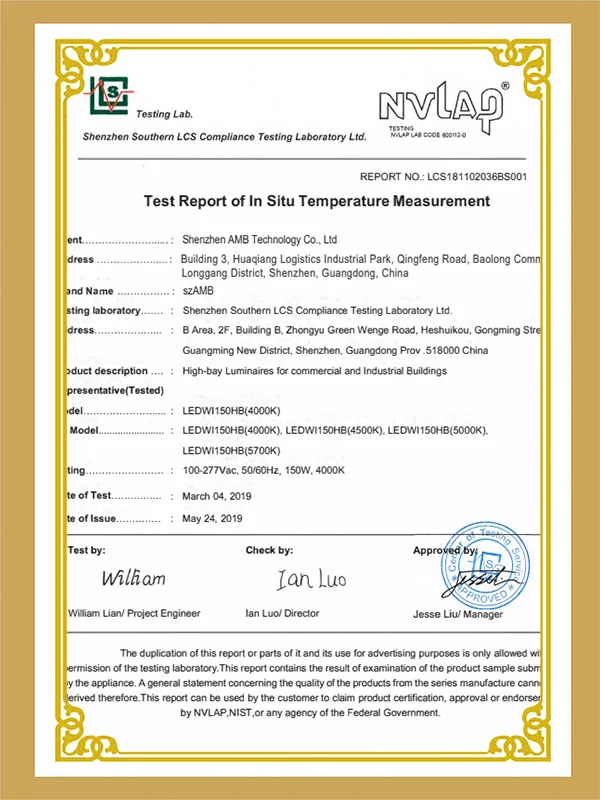
In short: audit, pilot, measure. That’s my playbook after years of seeing projects stall over avoidable details. If you take one thing away, let it be this — match your components, test in one house, and use the three metrics above to judge success. For practical gear and guidance, I often point teams toward resources and partners such as szAMB. They won’t do your thinking, but they do help get the wiring and drivers right — and that matters.