
Introduction
I was in a small diagnostic lab last week, looking at a backlog of samples and thinking, this could be smoother. Automated nucleic acid extraction has changed how labs work here and abroad, yet queues still form and results lag behind (you know the scene). We were processing dozens of swabs a day, with throughput numbers that looked fine on paper but felt slow at the bench. Why do delays persist when the kit says “fast”? How do we close the gap between expectation and reality? In this piece I’ll share what I see in real labs, what trips teams up, and the small fixes that save time. Let’s unpack the real problems and practical steps — then move on to deeper causes.
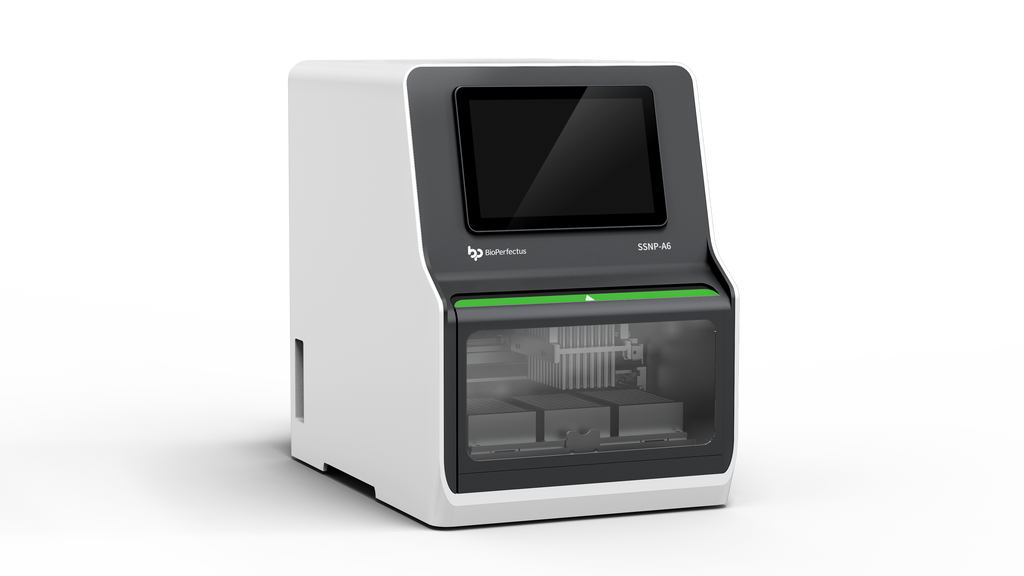
Where Systems Often Fall Short: A Technical Look at User Pain
Right up front: if you use an automated nucleic acid extraction machine, you know it can do the heavy lifting. Yet machines aren’t magic. Many labs face repeatable issues that slow work down. I’ve watched technicians restart runs because of clogs, watched robots mis-pipette when tips are marginal, and seen workflows stall from poor sample tracking. These problems are not theoretical — they’re daily. Magnetic bead separation steps can fail if the lysis buffer is inconsistent. Pipetting robotics may struggle with viscous samples. Throughput looks good until one bad run cascades; then you’re fixing errors instead of processing new samples. Look, it’s simpler than you think: small points of failure multiply quickly when volumes rise.
Why does this still happen?
The root often sits at the interface of equipment, consumables, and people. Maintenance schedules slip. Consumable quality varies. Staff training is uneven. In technical terms, intermittent PCR inhibitors or poorly calibrated power converters (yes, electrical noise matters) create subtle failures. Edge computing nodes for data tracking are helpful, but if the software relies on manual inputs, human error creeps in. I’ve learned to ask three questions whenever a lab complains about speed: are the consumables consistent? is the sample prep standardised? and are error logs being reviewed? Answer those and many issues vanish. I want to be plain: these are preventable, not mystical faults — funny how that works, right?
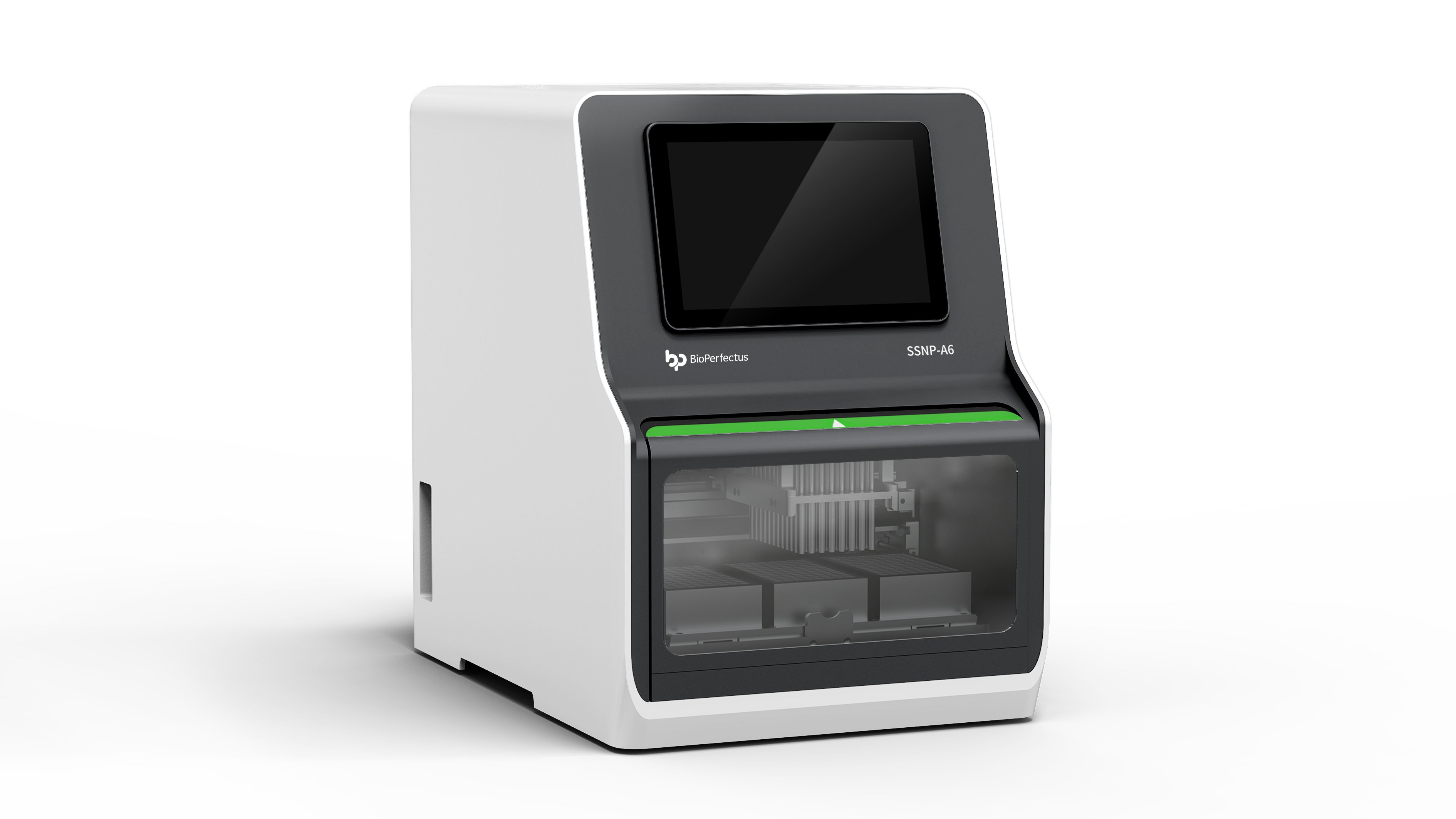
New Principles for Faster, More Reliable Extraction
Moving forward, the best labs focus on principles not just products. For me, that means designing workflows around redundancy, visibility, and predictability. Newer systems that combine robust hardware with smarter software help — but only if the lab adapts its processes. An automated nucleic acid extraction machine that logs every tip, every temperature, and every error gives you the data to act. Use that data. Don’t let it sit in a folder. I’ve seen teams reduce downtime by tracking tip changes, flagging unusual lysis buffer lots, and scheduling preventive maintenance on pipetting heads.
What’s Next?
Here are guiding ideas I recommend: adopt modular automation so a single failed module doesn’t stop the whole line; make routine checks part of the shift change — quick visual checks pay off; and standardise consumable sourcing so bead chemistry and plastics are consistent. These are practical shifts, not expensive overhauls. Implementing them improves throughput and reduces re-runs. — and yes, it matters to turnaround times and staff morale.
To help you pick a system wisely, I offer three key evaluation metrics I use when advising labs: 1) effective throughput under real conditions (not just vendor specs), 2) resilience to common inhibitors and sample variability, and 3) ease of maintenance and spare part availability. Score candidates against these, and you’ll find the best fit for your workflow. I share this from hands-on experience — we’ve seen measurable gains when teams take these metrics seriously. For practical solutions and systems that support these principles, I look to credible partners. For reference and tools, see BPLabLine.