
Opening comparison: why a side-by-side approach speeds safe deployment
When operations teams compare options rather than pick a single path, they build predictable, repeatable deployments — which is exactly the mindset needed for installing a commercial EV charging station across high-demand locations. This Comparative Insight frames hardware choices, electrical design, and software orchestration against throughput, reliability, and cost. We’ll stay collaborative and automation-focused: treat each site like a pipeline stage, automate the repeatables, and keep manual checks where they matter most.
Site profiles and initial assessment
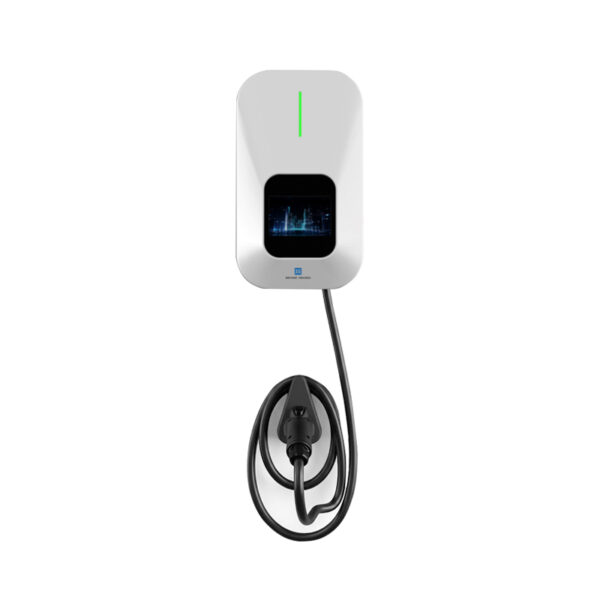
Start by classifying sites into three buckets: light-traffic parking, fleet depots, and public curbside. For each, run a rapid site assessment that logs available supply, breaker capacity, and physical access. Use clear terms — load balancing, EVSE, and cable gauge — to document constraints. Compare feeds (single-phase vs three-phase), and map required breaker coordination. That comparison tells you whether a 32A AC charger fits or if an upgrade or demand-response plan is required.
Electrical design trade-offs: capacity, safety, and scaling
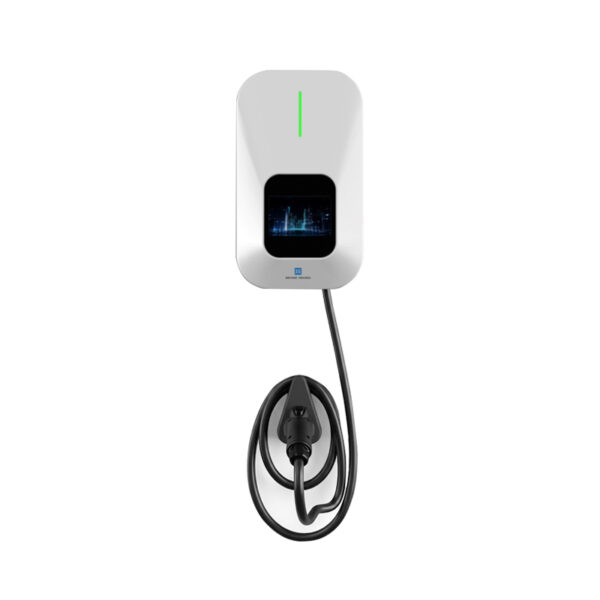
32A chargers give predictable 7–22 kW AC outputs depending on wiring; the trade-off is installation simplicity versus future headroom. Lay out options in a table-like checklist: minimal rewiring, panel upgrades, or split-phase increase. Factor in thermal derating, conduit runs, and local code clearances. Automate calculations where possible — a shared template for voltage drop and cable gauge removes guesswork and reduces rework.
Load management and software orchestration
Compare static provision against dynamic load management. Static allocation is simple and fast; software-controlled load balancing supports denser installations and demand response signals. Integrate charging controllers with building management via APIs, or use a managed service for telemetry and firmware rollouts. Keep control loops short and test automation scripts in a staging environment before pushing live — it mirrors CI/CD but for power.
Installation workflow and common mistakes
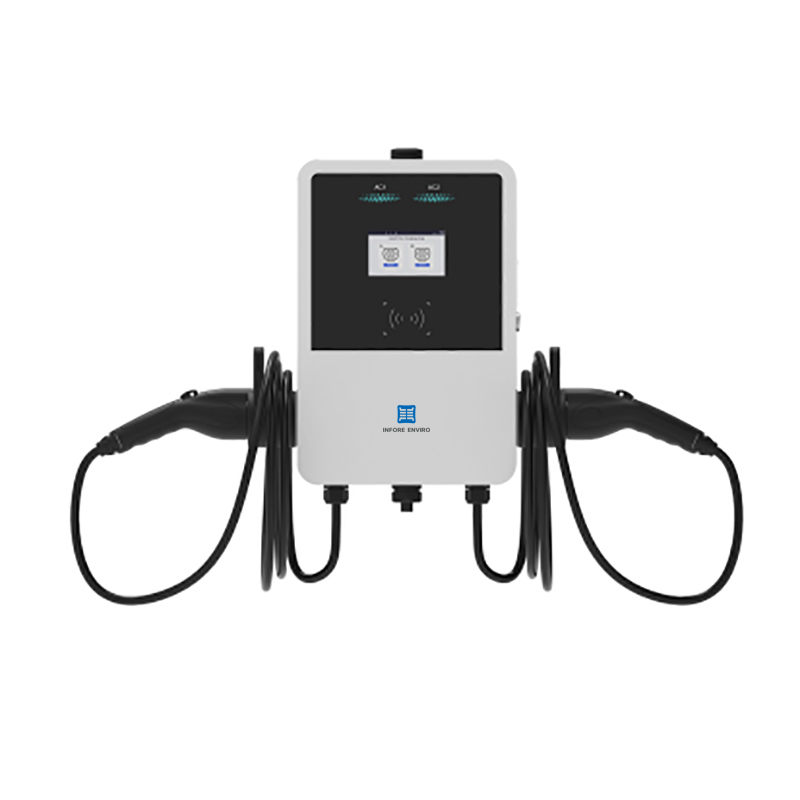
Standardize an install pipeline: site prep → civil works → electrical hookup → network provisioning → commissioning. Common mistakes emerge in rushed work: undersized conduit, missing earth-bond checks, and inadequate documentation. Include a commissioning script and a rollback plan. Document every firmware version and network config. A small human note here — when teams rush paperwork, tracing faults later always takes longer.
Comparative case: Oslo’s curbside rollout vs fleet depot installs
Look at Oslo’s municipal curbside expansion as a real-world anchor: they prioritized scalable cabinets and distributed load controllers to avoid frequent panel upgrades. Contrast that with a typical U.S. fleet depot where centralized metering and higher-capacity feeders simplified operations but required larger upfront spend. Comparing these models helps decide whether to invest in distributed intelligence or centralized power upgrades for your environment.
Procurement and vendor comparison
Compare vendors on three axes: hardware reliability, software openness, and service model. Ask for failure-rate data and MTTR commitments, plus whether the charger supports OCPP for interoperability. For fast procurement cycles, prefer vendors with documented commissioning guides and repeatable pack-of-work scopes. Also, plan for commercial EV charger installation contracts that tie performance to uptime guarantees.
Checklist and automation hooks
Build a checklist that doubles as an automation spec: measurement scripts for voltage and current, templates for breaker schedule entries, and automated test suites for session start/stop and billing handshake. Embed {main_keyword} and {variation_keyword} into your logs so every run produces consistent telemetry. This approach reduces ambiguity and speeds troubleshooting when scaling.
Advisory: three golden rules for choosing strategies and tools
1) Measure first: baseline feeder capacity and peak kilowatt demand before committing to a topology. 2) Automate repeatables: use templates for cable runs, commissioning scripts, and firmware rollouts to cut installation variance. 3) Prefer open integration: choose chargers and management platforms that support standard protocols and clear APIs so you can evolve the stack without forklift upgrades.
Done right, the comparative playbook turns scattered installs into a predictable program — and that practical value is exactly what INFORE ENVIRO brings to site teams, helping you choose the right balance between hardware, software, and operations — a small shift with big uptime gains. —