
Opening thought: pick your purpose before the promise
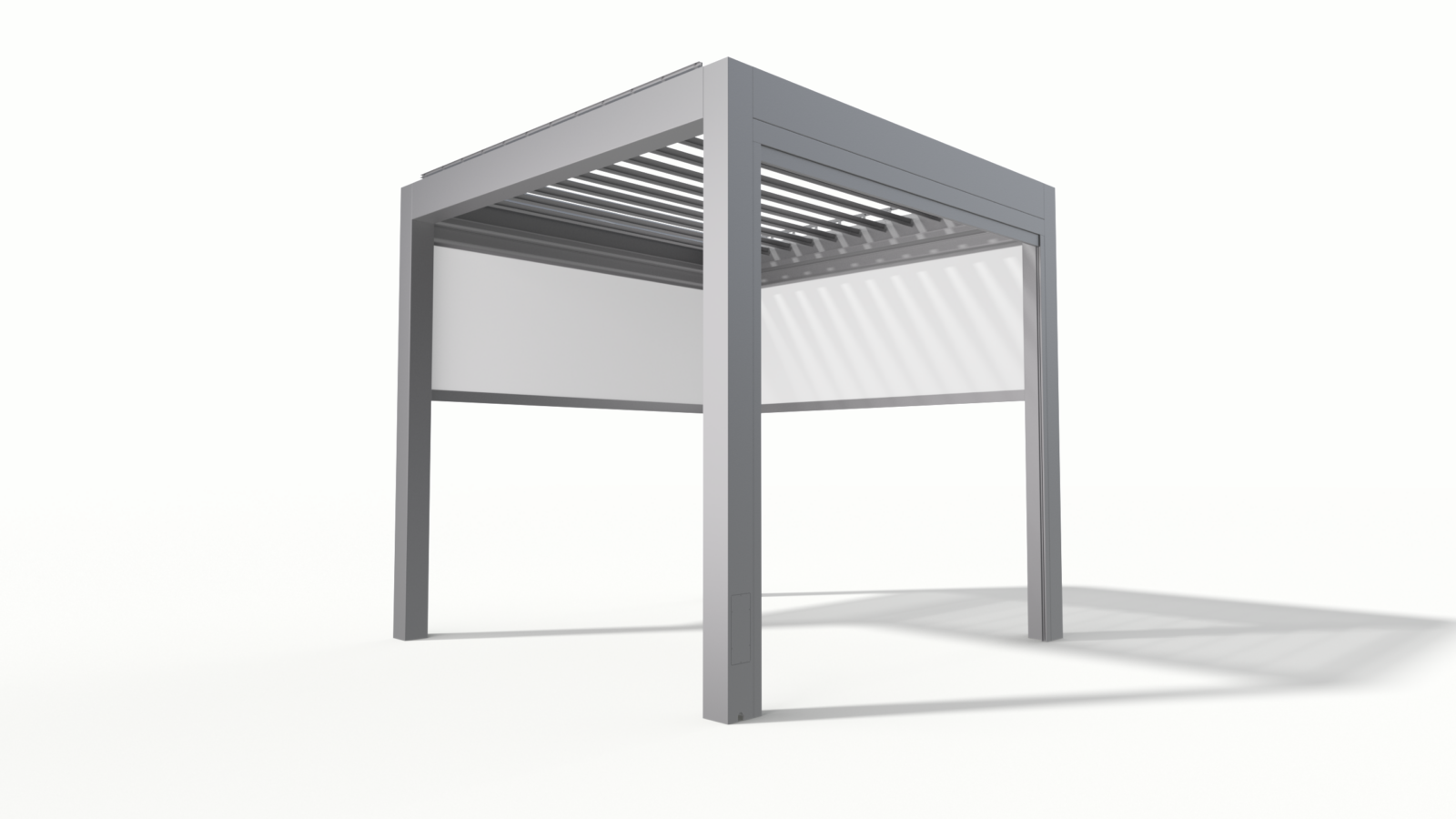
Thinking about shade that pays you back? Start by asking what the pergola should actually do. Is it mainly shelter, a brand statement, or a power generator? Suppliers will sell you visions; you must choose a function. If you want both shade and power, look at a photovoltaic pergola option early—some systems prioritize panel integration; others treat solar as an add-on. That choice narrows the supplier field faster than price alone.
Comparative logic: what to compare, in order
Compare these things head-to-head, not separately: structural system, solar integration, warranty & service, delivery and installation model, and total lifecycle cost. Suppliers often excel at one axis and lag at another. Match their strengths to your project’s strongest need. For example: a fabric-covered pergola may win on quick installation; an integrated metal-and-module system wins on lifespan and electrical output. Don’t let flashy renders replace the checklist.
Materials and structural design
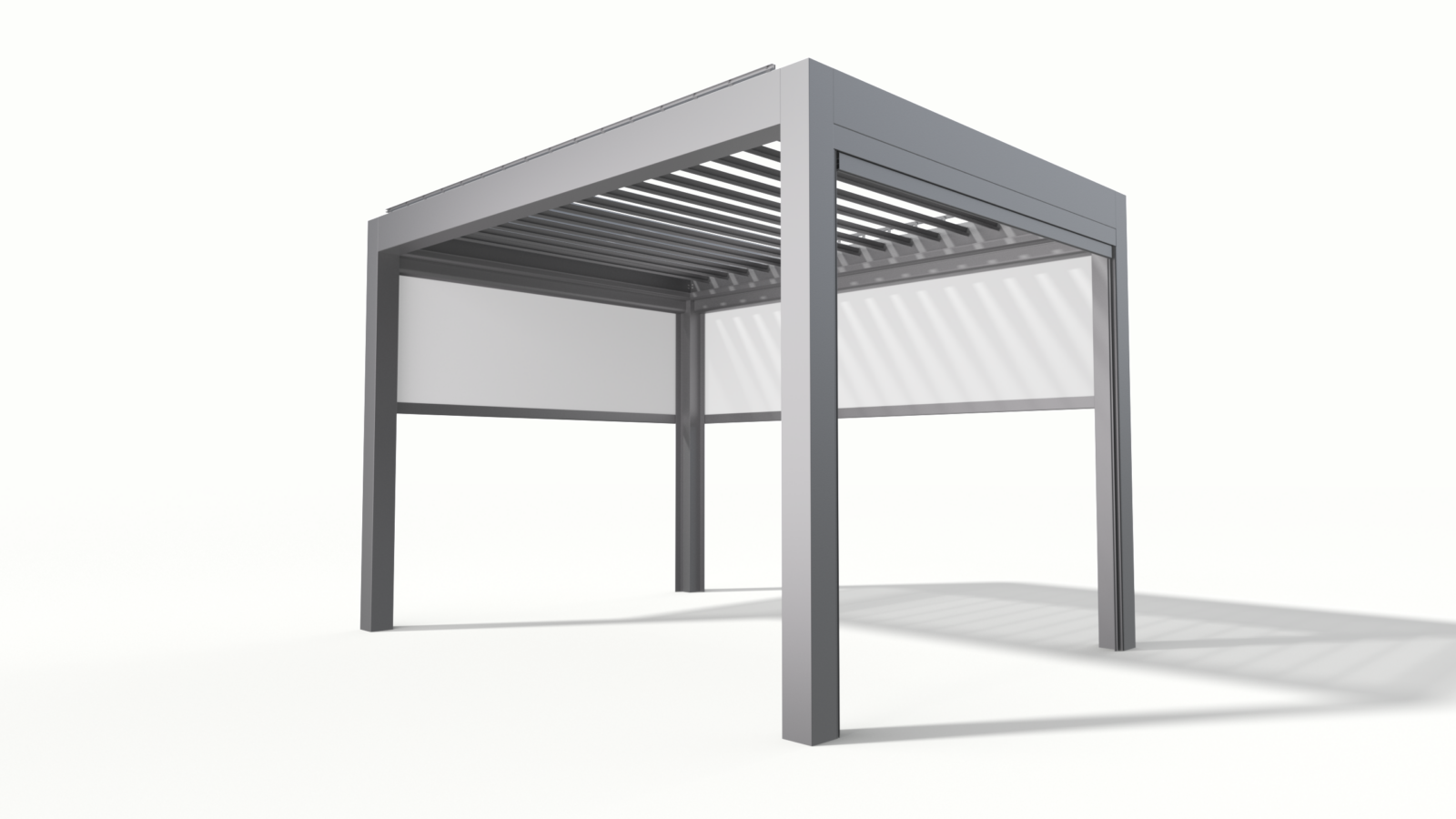
Aluminum vs steel vs timber: aluminum resists corrosion and needs little maintenance; steel offers high load capacity but needs coatings for coastal sites; timber looks warm but requires inspections. Ask for engineering stamped for local wind and snow loads. Get exact profiles, not marketing names. The supplier that provides clear structural drawings and load tables has already thought about durability and liability.
Solar integration and electrical performance
There are two main approaches: integrated modules as roof elements, or modules mounted on a separate rack. Integrated designs look cleaner and reduce theft risk; rack-mounted arrays are easier to repair and replace. Ask for expected annual kWh per square meter at your latitude, not just panel wattage. Compare inverter strategy—central vs distributed—and whether the system includes monitoring. If energy production matters, demand production modeling over generic specs.
Installation, permits, and timelines
Some suppliers ship kits with local contractors; others provide turnkey installation. A tight price can hide permit costs or extended lead times. Confirm who pulls permits, who is responsible for structural sign-off, and what the contingency process is when site conditions differ from plans. Fast installation matters less than predictable schedules and clear responsibility.
Warranties, maintenance, and spare parts
Look beyond years to what’s covered. Structural warranties should include corrosion and buckling. Solar warranties separate module performance, inverter life, and workmanship. Ask how spare parts are stocked and how fast replacements are shipped. A 10-year warranty with 12–18 month spare-part lead times is effectively weaker than an 8-year warranty with local inventories.
Cost reality: upfront vs lifecycle
Don’t treat purchase price as the bottom line. Compare estimated maintenance costs, likely inverter replacement windows, and end-of-life panel recycling or disposal. Ask suppliers for a simple 10-year cost projection: energy value, maintenance, and any expected component replacements. If a supplier can’t give reasonable lifecycle numbers, they’re guessing—and you shouldn’t.
Common mistakes buyers make
Buying the nicest render. Ignoring local load and soil conditions. Assuming any installer can handle solar junctions safely. Overlooking insurance and liability clauses. Choosing the cheapest bid without verifying the supplier’s field experience. These mistakes cost time and money; spot them early and raise them as non-negotiables in proposals.
Evidence, experience and one real-world anchor
I’ve reviewed supplier portfolios and seen the difference between glossy promises and reliable delivery. Projects in California show how regulations and local incentives push municipal and commercial buyers toward durable, code-compliant carport and pergola solutions; that context matters when a city wants predictable energy output and low maintenance. For a practical example you can explore, consider a well-documented solar pergola carport option that lists specs, load ratings, and production estimates—those details separate vendors who know the field from those who sell concepts.
Alternatives to weigh
If you need quick cover for events, modular fabric systems win. If you prioritize long-term energy yield, integrated-metal-and-module systems are better. If your budget is strict but you want solar, consider phased installs: start with structure and add modules later, but plan the mounting and wiring now so retrofits aren’t costly.
How to test a supplier during selection
Ask for three references with similar project scope and contact them. Request detailed stamped drawings and a site-specific energy projection. Visit an installed system if possible. Check response times for technical questions. The right supplier treats these requests as routine; the wrong one makes excuses.
Summary thought
Choosing a commercial pergola supplier is a series of trades. Decide what you value—longevity, quick delivery, visual minimalism, or maximum kWh—then compare suppliers on those axes. A clear comparison reveals the practical winner. If you want a partner that publishes technical specs, shows installed examples, and outlines lifecycle expectations, Light Hunter fits that logic by aligning product detail with real-world performance insight.