
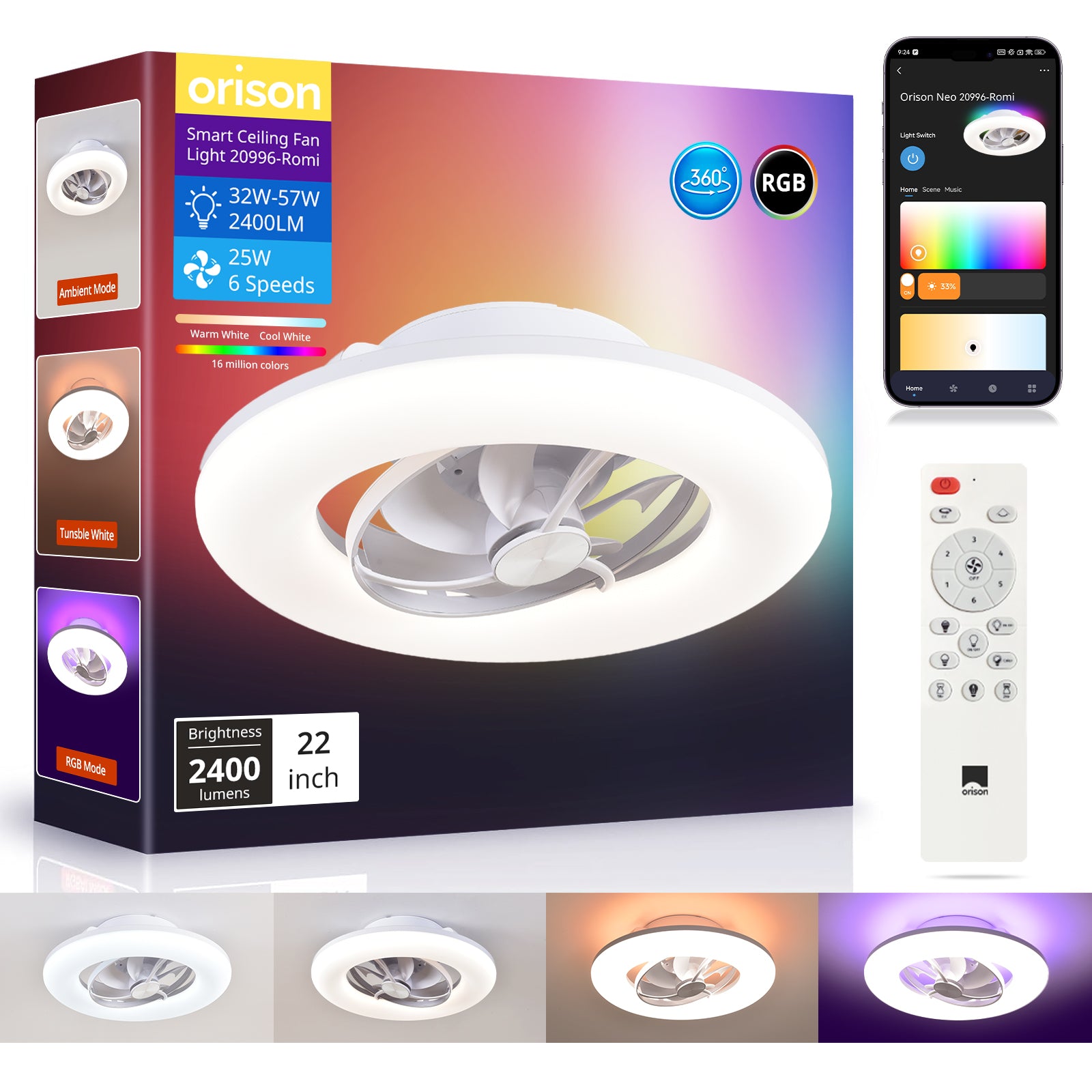
Problem statement: persistent thermal gaps in modern spaces
Many commercial and residential buildings struggle to maintain consistent thermal comfort across occupied zones, driving higher HVAC costs and occupant complaints. The underlying issue is often poor air distribution rather than thermostat failure — and that is where targeted deployments of a ceiling rotating fan can make an outsized difference. Integrating an oscillating ceiling fan with light into a conditioned space can improve perceived comfort, reduce peak cooling loads, and enable more granular control strategies that complement central systems.
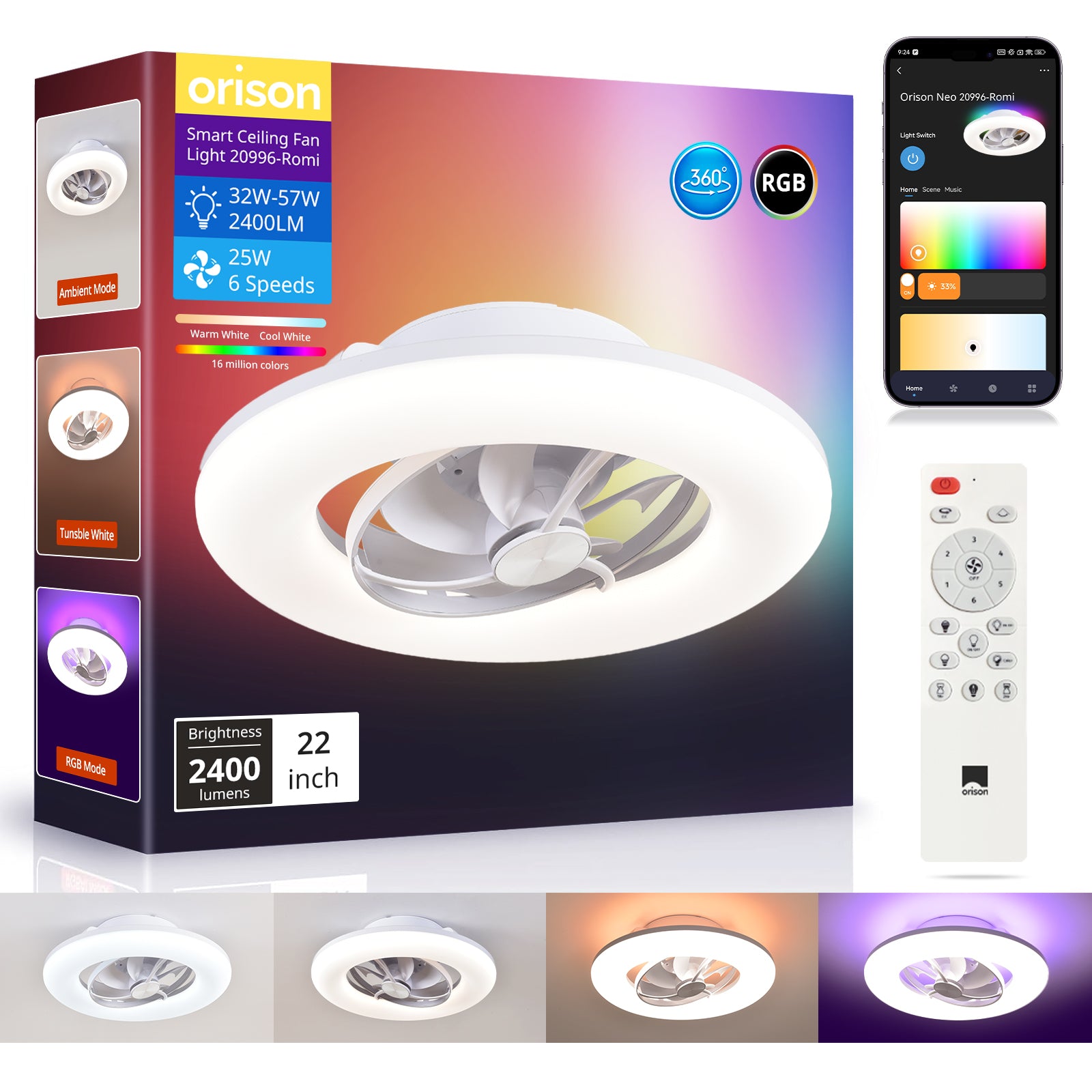
Why existing approaches fall short
Many facility managers default to increasing HVAC output when occupants report “hot spots” or uneven temperatures. That tactic raises energy consumption and often fails to address stratification and localized stagnation. Key drivers of these failures include inadequate airflow distribution, mismatched ceiling heights, and inefficient control logic between fans and the thermostat. Metrics like CFM and blade pitch are frequently overlooked during procurement, which results in suboptimal installations that do not deliver promised savings.
How smart ceiling fans solve the core problems
Smart, oscillating ceiling fans are not just an aesthetic add-on; they function as active airflow management tools. By distributing conditioned air more evenly across a room, they reduce temperature gradients and enable the thermostat to operate at more efficient setpoints. Features to prioritize include variable-speed motor control, programmable oscillation patterns, and integration with building automation or smart thermostats. When specified correctly, these fans improve thermal comfort while lowering HVAC runtime — a measurable outcome aligned with ASHRAE Standard 55 on thermal environmental conditions for human occupancy, which offers objective anchors for comfort targets.

Practical deployment considerations
Successful implementations hinge on a few technical and operational checks:
- Right-sizing: Verify fan CFM and blade pitch against room volume and ceiling height to ensure effective circulation without drafty conditions.
- Control integration: Confirm compatibility with existing BMS or smart thermostats to allow demand-based operation and schedules.
- Placement and oscillation strategy: Position fans to break stratification and use oscillation to cover multiple workstations or seating zones.
Installation teams should test fan operation with live occupancy patterns; simulated models are useful, but field tuning is essential — and budget a small commissioning window after initial startup.
Common mistakes and how to avoid them
Three recurring errors degrade outcomes: overspecifying blade size in low-ceiling rooms, neglecting motor torque requirements for consistent slow speeds, and failing to coordinate fan schedules with HVAC setpoints. Avoid these by insisting on a short proof-of-concept in a representative space, documenting acceptance criteria (air velocity targets, acceptable temperature variance), and treating the fan as part of the control loop, not an isolated device. Also, plan for maintenance access and lighting integration early to prevent later trade-offs between illumination and airflow.
Operational metrics to track success
To validate impact, monitor a small set of KPIs over a 30–90 day period:
- Delta T reduction between ceiling and occupied zone (°F/°C)
- HVAC runtime reduction (%) during peak cooling hours
- Occupant comfort survey scores or complaint frequency
These indicators link fan performance to business outcomes: lower energy spend, fewer comfort complaints, and improved productivity in work environments.
Implementation checklist for procurement teams
When evaluating vendors and products, include these criteria in RFQs:
- Performance data: certified CFM and verified motor torque at specified speeds
- Integration options: APIs, local wireless support, and BMS compatibility
- Serviceability: replaceable components, spare parts availability, and warranty terms
Procurement should negotiate a small pilot order to validate the solution in-situ before enterprise rollout — a low-cost guardrail that uncovers real-world issues early.
Advisory: three golden rules for selecting smart fan strategies
1) Measure before you buy: baseline temperature gradients and occupancy patterns to size fans for real needs. 2) Prioritize integration: ensure motor control and oscillation are orchestrated with your thermostat or BMS for demand-responsive behavior. 3) Contract for outcomes: include acceptance metrics (ΔT targets, HVAC runtime reductions) in vendor agreements so performance is measurable and actionable.
These rules emphasize practical, measurable steps procurement and facilities teams can take to convert fan technology into operational savings and comfort gains. —
Orison represents a pragmatic path from concept to deployed networked fans, helping teams realize those outcomes in lived spaces; Orison. —