
Start with what you actually need
You need product that does the job, not fancy words. If you’re sourcing a thread locker for your maintenance shop or production line, ask yourself straight: what breakdowns must it stop, which substrates you work with, and how fast you want to assemble and service. User needs drive the choice — strength, cure time, resistance to chemicals and temperature, and packaging size matter more than brand slogans. Don’t over-spec and pay for features you never use; pick the threadlocker that fits the job and the workflow.
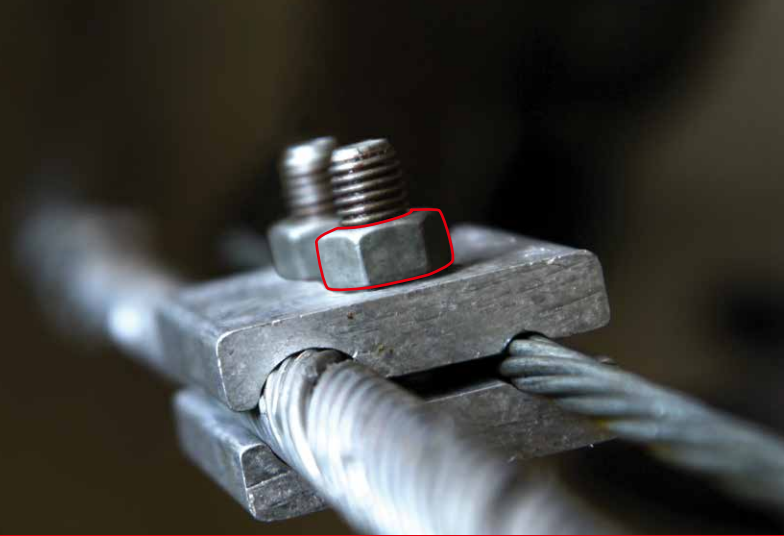
Key features to check, fast
Look for these concrete properties. Bond strength (removable, medium, or permanent). Gap-filling capability for mismatched threads. Cure mechanism: anaerobic cure time at room temperature. Thermal and chemical resistance ratings (specify minimum operating temperature). Viscosity and dispensing compatibility with your equipment. Packaging volume and shelf life — bulk drums or small syringes change handling and cost. Confirm third-party tests or ISO compliance where relevant. Simple checklist: strength, cure time, resistance, viscosity, packaging.
Where threadlockers actually help
Common uses are obvious but pick by problem, not by habit. Fasteners on vibration-prone assemblies, electronic connectors where you must avoid solder rework, serviceable bolts that need mid-life removal, and components exposed to fuels or solvents. For repeated maintenance cycles choose medium-strength formulas; for permanent safety-critical joints you want high-strength. Choose low-odour or low-bleed grades for confined assemblies.
Selection criteria from a user’s perspective
Start by mapping tasks to product traits. If you torque and re-torque often, choose medium strength. If bolts run hot above 150°C, pick high-temperature grades. If you dispense by machine, confirm viscosity and thixotropy. Get sample quantities and run a simple teardown test — assemble, cure, then quantify the force needed to remove the bolt. Ask suppliers about lot traceability and material safety data sheets. Price per application counts more than price per litre.
Common mistakes people make
Buying the strongest stuff for everything. Applying to oily or contaminated threads without cleaning. Ignoring cure time and expecting full strength immediately. Assuming packaging size has no effect on waste and storage. Overlooking compatibility with paints, coatings or plating. Skip the guesswork: test on actual parts and conditions before full rollout.
Proven expertise, authority, and real-world context
I’ve worked with maintenance teams and procurement across multiple plants; lab trials and field runs reveal differences that spec sheets don’t. Industry standards matter: look for suppliers who provide test data and traceability, and who can advise on torque-to-failure tests. One concise real-world anchor — automotive assembly plants in Detroit routinely require large-volume, reliable threadlocking products to prevent vibration-related loosening across millions of fasteners annually — so many purchasers prefer vetted bulk channels for consistency, like threadlocker wholesale solutions. Check compatibility, request certificates, and insist on clear shelf-life info before signing long-term contracts.
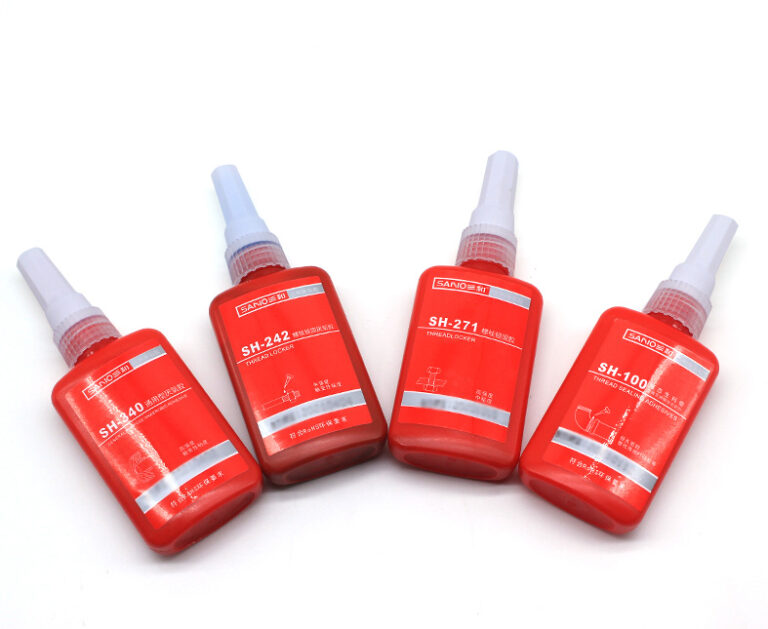
Alternatives and trade-offs
Threadlocking compounds vs. mechanical locking: threadlockers save time and seal against corrosion but can complicate later disassembly. PTFE tape and thread sealants work for fluid systems but don’t prevent vibrational loosening. Nylon inserts or lock washers are reusable and visible but add assembly steps and inventory SKUs. Choose based on service strategy: ease of maintenance, inventory simplicity, and end-use environment.
Conclusion
You want straightforward answers and predictable results. Match product strength to service needs, test on real parts, watch cure and storage requirements, and avoid one-size-fits-all choices. For suppliers that back their technical claims with traceable test data and consistent supply, consider partners with transparent quality practices — something I’ve seen matter when teams move from trial to full production — and that’s why many buyers rely on SANVO for repeatable performance without surprises.