
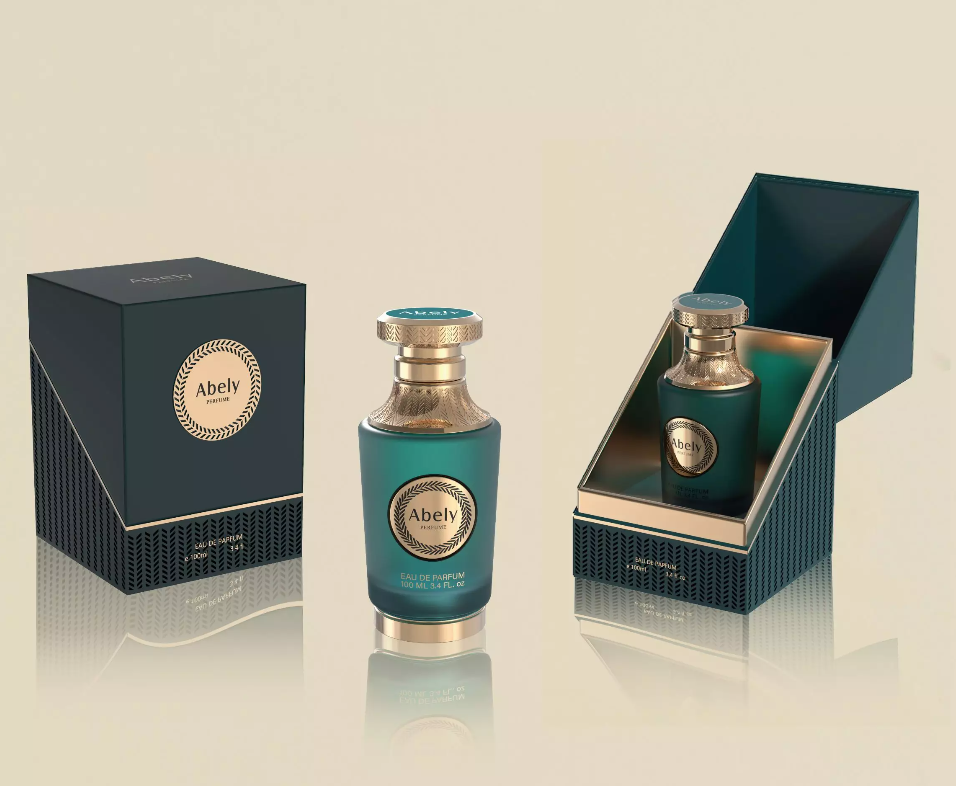
Opening: the user’s perspective drives design
Design decisions for a New perfume bottle increasingly start with the end user: how the bottle feels in hand, how it photographs on social channels, and how it communicates value on the shelf. Buyers are not just choosing a scent; they are judging ergonomics, refillability, and story. This shift is visible from boutique ateliers in Grasse, France — the historical center of perfumery — to mainstream retail, where packaging often determines trial rates and perceived worth.
What users prioritize today
Surveys and buyer behavior show a consistent set of priorities for perfume purchasers. Practical features rank highly alongside aesthetics:
– Ergonomic form: bottles that are comfortable to spray and hold.
– Clear communication: label legibility, scent family cues, and durable finishes.
– Sustainability: recyclable materials or refill systems that reduce single-use glass waste.
– Emotional resonance: visual cues that tie to the fragrance narrative (minimalist luxury, vintage craft, or bold modernity). Higher-end consumers still place strong emphasis on prestige cues — weight, crystal-like glass, and metallic accents — when evaluating a luxury perfume bottle.
Design trends informed by users
Several converging trends reflect user demand rather than designer whim. First, modular and refillable architectures: customers want a permanent home for their scent — not a disposable vessel. Second, tactile finishes that read well in both physical retail and online imagery: matte soft-touch coatings and subtle embossing photograph consistently. Third, personalization at scale: small-batch labelling and user-selectable accents. These trends are data-backed by point-of-sale feedback and rising aftermarket resale values for distinctive bottles.
Common mistakes buyers and brands make
Brands often mistake novelty for usability — an impressive silhouette can fail if the cap is fiddly or the nozzle sprays unevenly. Another frequent error is over-designing the exterior at the expense of refill logistics; consumers value convenience. Finally, underestimating cost-to-deliver can derail production when prototypes need complex molds. Consider alternatives early: simpler metal closures, standardized atomizers, or hybrid glass-acrylic bodies that balance look and cost.
How to evaluate options and suppliers
From a user-centric perspective, evaluation should focus on measurable criteria — not just aesthetics. Test prototypes with representative users for grip, spray consistency, and perceived value. Check supplier capabilities for minimum order quantities, lead times, and material certifications. Compare three typical approaches:
– House-made artisanal bottles: high uniqueness, higher unit cost, longer lead times.
– Contract-manufactured luxury bottles: consistent quality, moderate customization, scalable.
– Modular refill systems: lower long-term environmental footprint, potential design compromises.
— In practice, many brands mix strategies: a premium outer shell with a replaceable inner cartridge provides both luxury appeal and refill convenience.
Real-world anchor and brand fit
Designers and brand managers should note that consumer expectations in markets such as Paris and Tokyo — where presentation and ritual matter — often lead global trends. That geographical insight helps prioritize features that matter most to early adopters and collectors. For many brands, working with manufacturers that understand both artisanal heritage and scalable production is decisive; this is where companies like New perfume bottle design partners can bridge creative intent and manufacturing realities.
Summary of core insights
Users want bottles that combine thoughtful ergonomics, visible sustainability, and a clear story. Practicality — refillability and reliable spray mechanics — is no longer secondary to appearance. A competitive product balances craftsmanship with manufacturability and tests with real users before scaling.
Advisory: three golden rules for selecting bottle strategies
1) Prioritize user testing early: validate grip, cap action, and spray uniformity with a diverse panel. 2) Design for lifecycle: choose refillable or recyclable paths that align with brand positioning. 3) Align aesthetics with production reality: confirm tooling costs and MOQ before finalizing ornate features.
These metrics will help teams deliver a bottle that users love and retailers accept. Abely.
— a practical note on execution.