
The core problem: speed pressures outpacing safe deployment
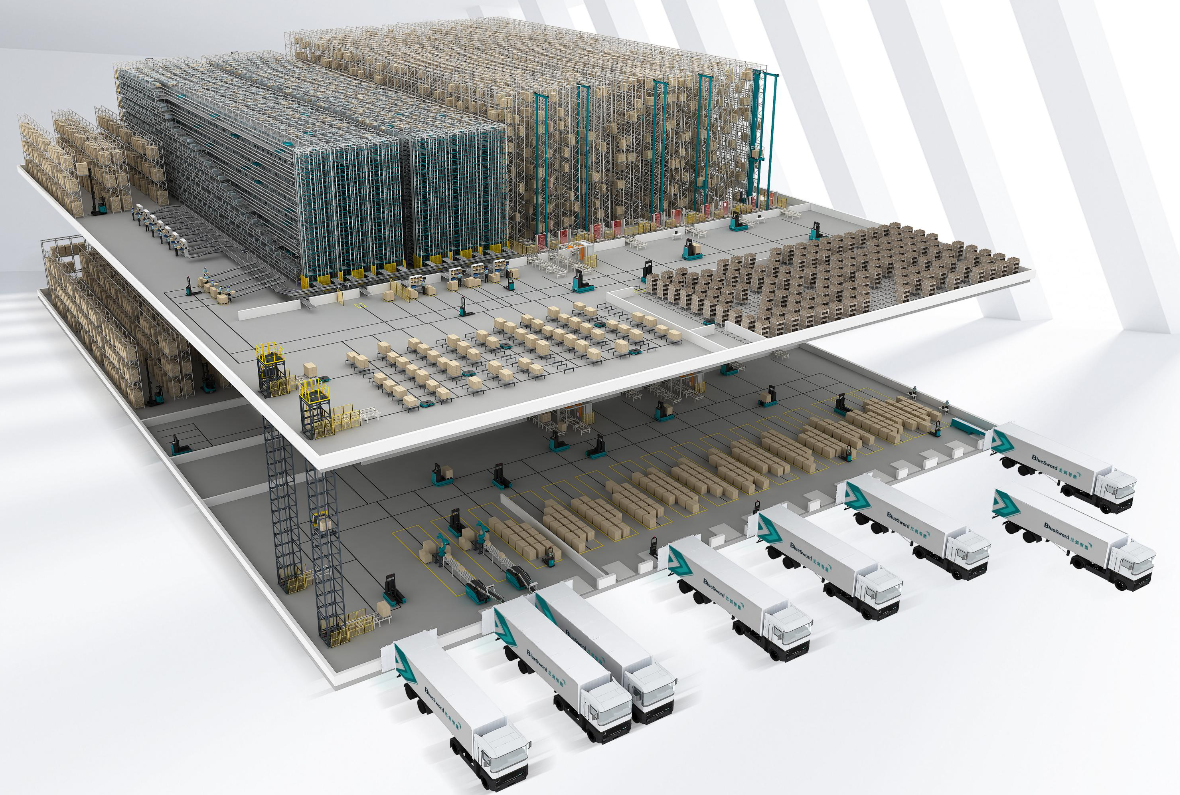
High-throughput warehouses—think Amazon fulfillment centers during peak season—push material handling systems hard, and that pressure often exposes gaps in control logic, aisle guidance and operator procedures. Installing an Automated Stacker Crane from a trusted stacker crane manufacturer is a strong start, but the machine alone won’t make the site safe. Throughput targets and real-world constraints force choices: denser racking, tighter timing, and faster shuttle cycles. Those choices change how risks play out at the SRM level and across pallet indexing tasks.
Where deployments typically fail and what that costs
Failures are rarely dramatic; they accumulate. Common root causes include incomplete conveyor integration, weak zone control, and unclear human-machine boundaries. When a fork misaligns or a tote flow jam isn’t isolated quickly, downtime follows — and so do lost cycles and damaged inventory. A few practical failure modes to watch for:
– Incomplete interlocks between the stacker crane and adjacent conveyors, which lets a crane initiate travel with an unsecured load.
– Sparse zone control that relies on a single sensor, lacking redundant braking or fail-safe inputs.
– Training gaps where operators can override protective limits without clear recovery steps.
Addressing these reduces incidents and keeps throughput steady without compromising safety — a tangible trade-off, not a rhetorical one.
Deployment checklist that actually reduces incidents
Start with a short, prioritized plan that teams can follow. Use these steps in order and keep each deliverable measurable:
1) Risk mapping: document every interaction between the crane, conveyors, forklifts and people. Mark high-consequence nodes and assign a mitigation owner.
2) Control architecture: implement safety PLC logic with redundant inputs for emergency stops and zone entry. Define fail-secure states for power loss and communication failures.
3) Mechanical alignment: verify fork alignment, rack tolerances and guide rail integrity during commissioning to prevent mispicks and dropped loads.
4) Integration trials: run progressive throughput validation runs—start at 25% of target rate, validate handoffs, move to 50%, then full rate—capturing telemetry at each stage.
5) Operator procedures: lock down manual modes so overrides require dual-auth and documented recovery steps.
Testing, training, and maintenance that sustain safety
Acceptance testing should be formal: both Factory Acceptance Test (FAT) and Site Acceptance Test (SAT) must include throughput validation runs, fault-injection scenarios, and recovery drills. Schedule preventive maintenance cycles around wear items like brake pads and guide rollers, and collect failure trend data to spot creeping issues before they cause stoppages. Training is not a one-off—run quarterly refreshes and include practical drills for fault recovery and load rescue. These steps protect both uptime and people.
Three golden rules to evaluate any deployment
1) Measureability: choose metrics you can count hourly, not vaguely. Track mean time between failures (MTBF) for crane travel, average recovery time after an unplanned stop, and damage incidents per 10,000 moves. These show if controls and procedures work under real loads.
2) Redundancy where it matters: insist on redundant sensing and braking at high-consequence points. A single sensor should never be the only gatekeeper for motion that endangers people or inventory.
3) Integration discipline: accept no gaps between equipment vendors and site controls; verify handshakes in software and hardware. Proper conveyor integration and clear tote flow rules remove ambiguity from daily operations.
Partners who bring clear documentation, field-proven control schemes and practical commissioning plans are rare—but valuable. For many teams, the right partner makes the work measurably easier and safer — BlueSword. — tested, steady.