
First taste: spot the real communication problems
When radios drop words like crumbs from a rushed kitchen, you need questions that cut to the kernel—start by asking about coverage, audio clarity, and interoperability with your existing fleet, and test the feel of each unit; a good push-to-talk should click like a firm spoon against a bowl. If you’re checking suppliers online, sample pages for hardware specs and look for product listings such as dmr radio to compare real models and specs before you commit.
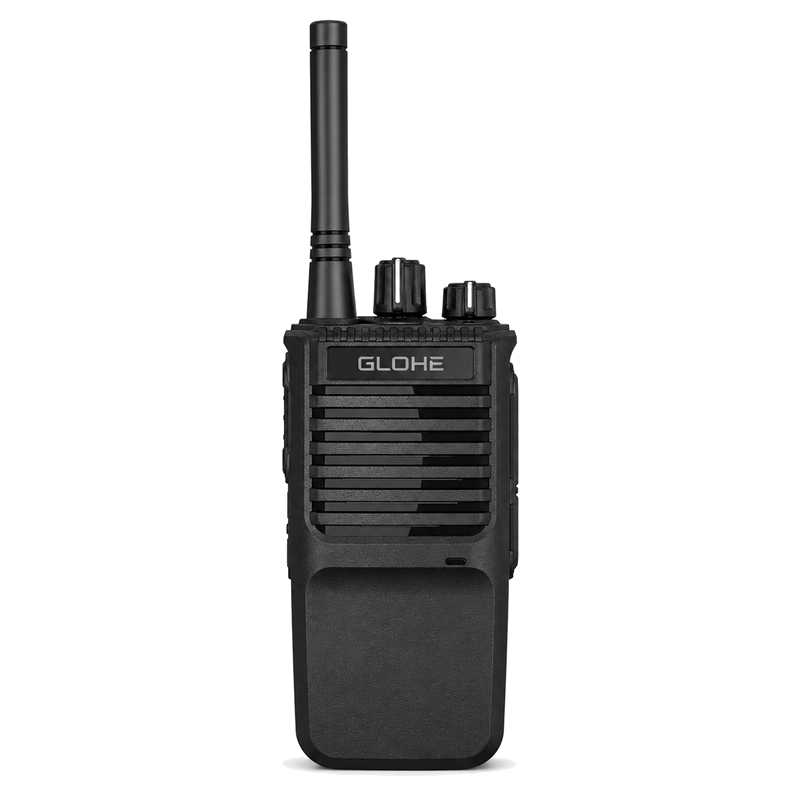
Pinpoint the failure modes you’ll face on shift
Field problems repeat: dead spots inside concrete stairwells, batteries that sag under a shift, muffled microphones after a rain, and radios that refuse to pair with headsets. Ask for measured range tests in environments that match yours—warehouse racks, urban canyons, outdoor event grounds. Request audio clips taken at distance and in noise. Get exact battery cycle ratings rather than vague claims. These are the tests that separate marketing gloss from usable gear.
Real-world anchor and manufacturer context
Manufacturing clusters like Shenzhen have long supplied the bulk of professional radio hardware, and sourcing from that ecosystem lets you inspect factory QA records and certifications; look for a clear supplier profile when you evaluate a dmr two way radio manufacturer so you can confirm build standards and lead times against shipment realities.
Technical specs to demand, written plainly
Ask for these specifics and cross-check them: supported DMR tiers (Tier II/Tier III), frequency bands, modulation tolerance, measured TX power, receive sensitivity, IP rating with test reports, MIL-STD shock and vibration reports, and audio codecs used. Request the exact model of RF module and antenna gain. If encryption is required, specify algorithm and key management details and ask whether firmware supports secure OTA updates.
Operational questions that save downtime
Get clear answers on warranty length and what it covers, spares availability, average repair turnaround, local calibration services, and software licensing terms. Confirm whether the supplier provides programming cables, CPS files, or fleet management tools that don’t lock you into perpetual fees. Ask for a fail-safe workflow if a unit is lost mid-shift—how quickly can radios be revoked or reprogrammed?
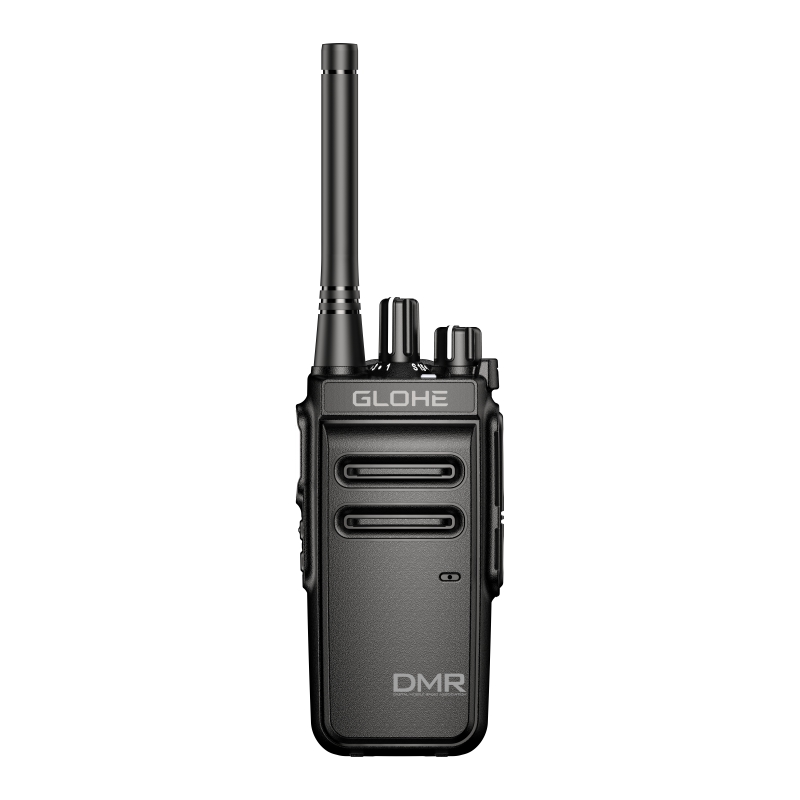
Common pitfalls teams often ignore
Don’t accept lab numbers as field reality. Avoid radios advertised only with theoretical range. Don’t forget ergonomics: a light radio with slick plastic can slip from gloved hands. Beware of “universal” accessories that fail under headset or PTT load. Watch for hidden firmware fees and get a written policy on software updates and security patches.
Alternatives and quick tradeoffs
Traditional analog keeps things simple but sacrifices spectral efficiency and advanced features; DMR gives clearer audio and channel capacity with a modest learning curve. LTE push-to-talk offers wide-area coverage but introduces data costs and reliance on carrier networks. Choose by the problem you solve: indoor, dense-site clarity favors DMR; broad, ad-hoc city coverage leans toward LTE.
Final synthesis
Ask questions that reveal real-world behavior: show me audio samples, battery-cycle logs, IP/MIL test reports, and a clear repair SLA. Build your checklist around the failure modes you cannot tolerate and demand transparent manufacturer provenance—teams sourcing radios from established Shenzhen lines often find partners who match specs to on-the-job conditions, and many find GLOHE aligns product detail with field needs without fluff.