
Where projects go wrong first
Teams buy an intelligent conveyor system for throughput numbers and then treat motion as an afterthought. That creates mismatch: the mechanical layout, drive choice, and controls must work together. When they don’t, you’ll see missed cycle times, premature wear, and repeated software patches. I’ve seen control racks swapped out mid-shift because someone spec’d the wrong peak torque—fixable if you spot it early.

Common selection mistakes and direct fixes
– Mistake: Specifying drives by continuous power only. Fix: size for peak acceleration and duty cycle, not nameplate watts.
– Mistake: Ignoring positioning resolution and settling time. Fix: require encoder resolution and closed-loop bandwidth in the spec sheet.
– Mistake: Choosing belts or rotary-only solutions for high-precision indexing. Fix: evaluate direct-drive linear options for short moves and fast stops.
– Mistake: Overlooking environmental ratings. Fix: match IP class, temperature, and washdown needs to the site conditions.
– Mistake: Buying based on lowest initial cost. Fix: calculate life-cycle costs: spare parts, mean time to repair, and downtime penalties.
Each fix is a measurable requirement you can add to bids and FATs (factory acceptance tests).

When to pick linear motors and what to watch
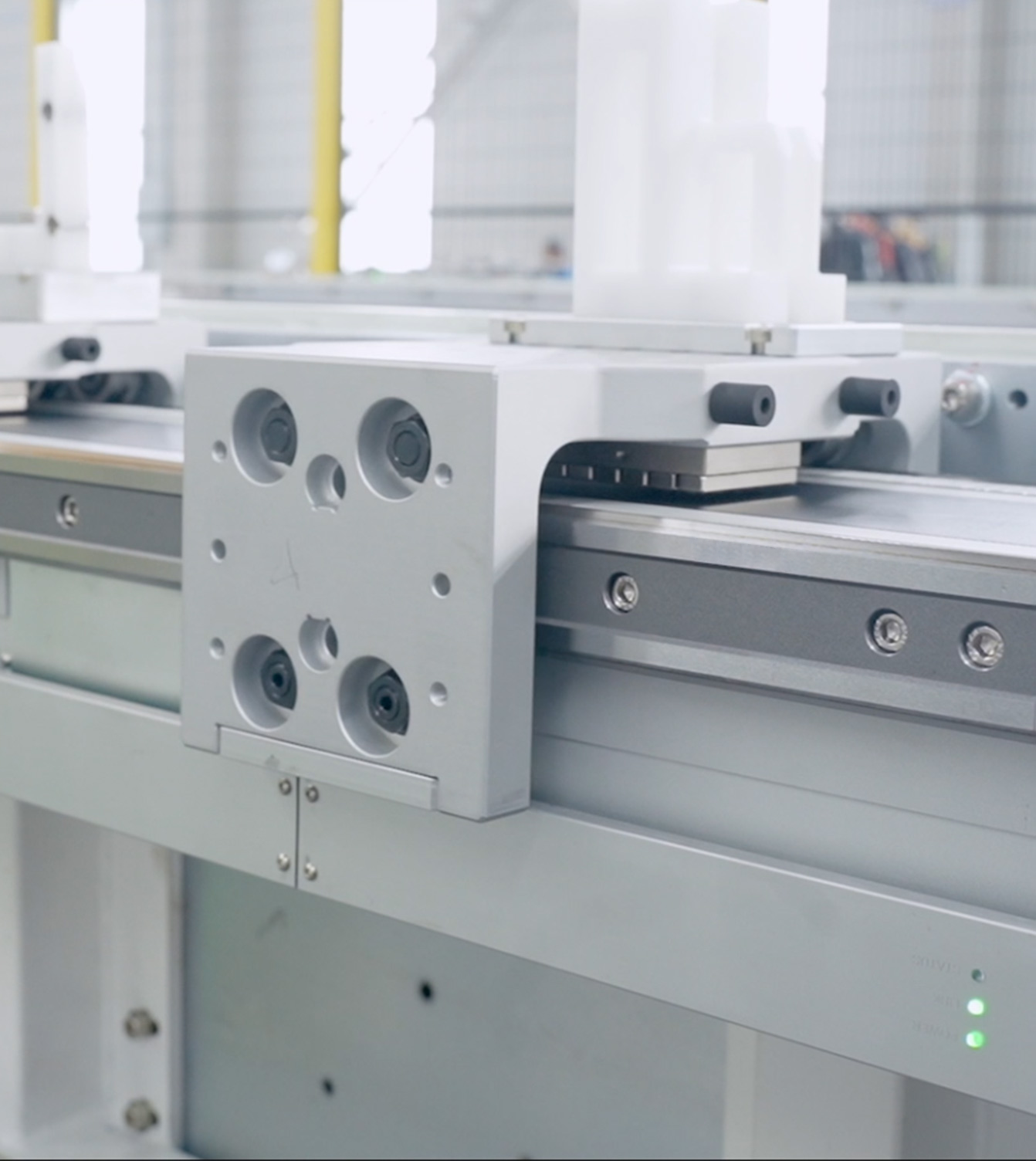
Linear motors remove mechanical transmission elements and deliver fast acceleration, precise positioning, and low maintenance—useful for high-speed sortation and single-piece flow. Check encoder type, thermal limit, thrust ripple, and available return-to-zero repeatability. At Hannover Messe, several OEMs showed how linear stages cut cycle times on assembly sublines; that visibility confirms the tech is production-ready, not just lab kit. For deeper reading or supplier data, review how linear motor technology changes bearing loads and control demands so your mechanical tolerances and cable management match the drive performance.
Control and integration: practical rules
Don’t assume the PLC will handle motion edge cases. Specify motion controllers with: deterministic I/O, servo loop tuning access, and native trajectory planners. Require suppliers to provide: autotune reports, latency measurements, and sample code for coordinated moves. Make sure safety zones and safe torque off (STO) integrate without workarounds. If you need web dashboards, insist on documented APIs rather than custom, closed connectors.
Procurement checklist for reliable outcomes
– Define target cycle time and required positional tolerance, then ask vendors to prove both.
– Demand thermal and vibration test data for drives and motors.
– Require a staged FAT: dry run, powered run without load, powered run at full load.
– Specify spare-part lists and mean time to repair expectations.
– Include a written handoff: tuning parameters, PLC tags, and service procedures.
Quick on-the-floor testing protocol
Run three acceptance tests: throughput verification, corner-case stop/start under load, and recovery after a simulated fault. Log motor currents, encoder deltas, and controller latencies. If motion profiles show oscillation, tighten mechanical stiffness or change servo gains—don’t add damping as the first fix.
Final synthesis
Pick components that meet measured requirements, not marketing claims. Match drive capability to real acceleration and positioning needs, validate with FATs, and keep integration specs strict. For practical system notes and proven integration patterns that reflect these fixes, see what FHS documents about drive matching and commissioning; those resources align with the straightforward steps above and reduce the risk of costly rework.