
Problem: wrong assumptions on capacity and delivery
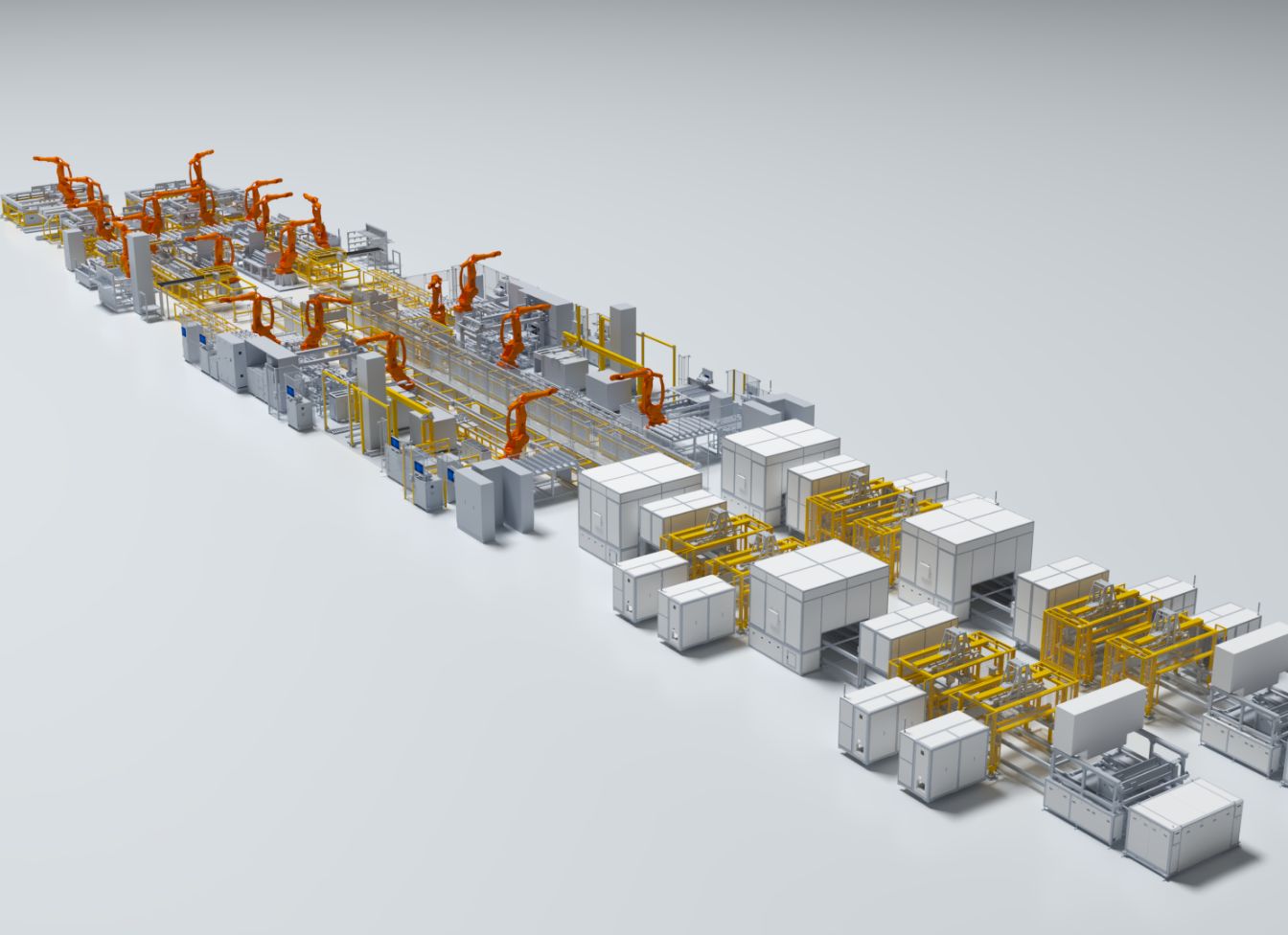
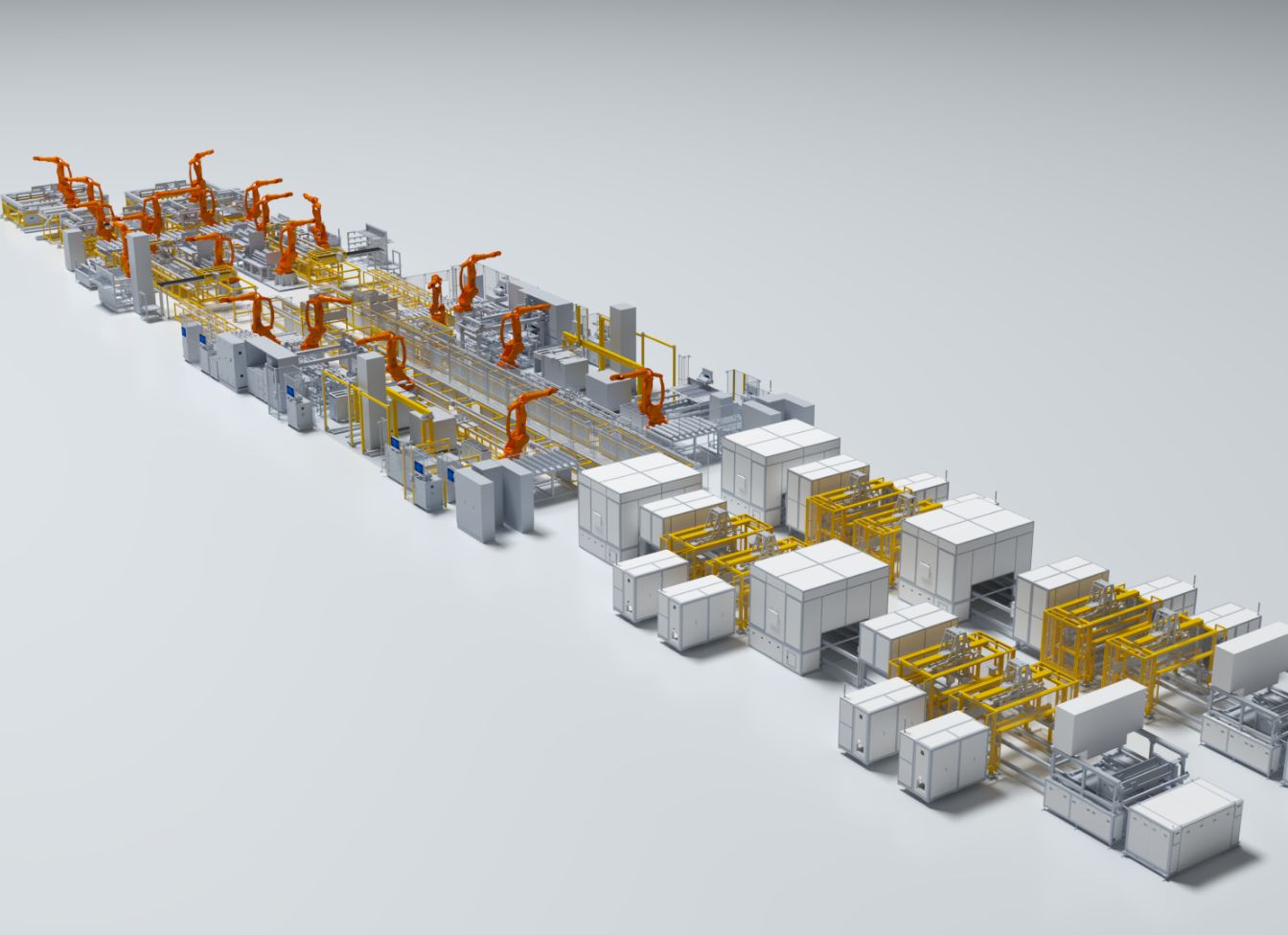
Companies pick a prismatic cell supplier because the specs look good on paper and then the assembly line chokes. I’ve seen it: cells arrive with mismatched tolerances, assembly needs rework, lead times double. If you care about throughput, start by checking the blade battery assembly line layout and the supplier’s process fit before signing contracts. A mismatch there costs weeks and money.
What to check first on the shop floor
Walk the line. Ask these questions and expect direct answers:- Are cell dimensions consistent to ±0.1 mm across batches?- Do they use single-point torque control or manual torque?- How do they test weld quality and thermal stability on every module?Look for physical evidence: batch labels, torque logs, and one-off rejects. If the supplier can’t show them, they aren’t running a controlled line.
Key supplier capabilities that matter
Don’t get dazzled by big names. Focus on these capabilities:- Dedicated prismatic handling fixtures and automated alignment.- In-line non-destructive weld inspection.- Clear process control for electrolyte filling and sealing.A supplier may claim volume readiness but fail at consistent pack assembly. Demand clear process steps and sample run reports.
Common mistakes teams make during evaluation
Teams assume lab samples equal production quality. They don’t. Typical mistakes:- Accepting a single prototype report instead of multi-batch data.- Overlooking tooling changeover times and the effect on yield.- Skipping on-site checks of final pack functional tests.Catch these early and you save a retrofit headache.
When automation is the right call — and when it’s not
Automation speeds repeatable tasks but adds rigidity. Choose automation when:- Volume is steady and predictable.- Parts and process are stable across ≥6 months.Skip automation when design iteration is ongoing or cell formats change often. For hybrid approaches, verify the vendor’s ability to switch between manual and automated modes without retraining the whole team. That capability ties directly to how a blade battery module pack line handles variation.

Alternatives to a single-source supplier
Consider splitting procurement and assembly. Options that work in practice:- Buy cells from multiple qualified vendors; assemble locally.- Use a tiered supplier where a contract assembler handles final testing.- Partner with a systems integrator for line design while keeping cell buys separate.Each choice trades procurement complexity for control. Pick the trade you can manage.
Proof from the field
I go to shows and plants; one clear sign is how vendors present process data. At the China International Battery Fair (CIBF) last year, the teams that backed up claims with run charts and failure-mode logs were the ones delivering stable lines. Paper specs won’t stand up to that level of scrutiny.
Common pitfalls during ramp-up and how to handle them
Ramping isn’t linear. Expect these issues and plan countermeasures:- Early yield drops: add inline inspection stations and stop-the-line rules.- Supplier QA gaps: enforce batch acceptance tests and hold-back inventory.- Assembly ergonomics causing human error: redesign fixture and add poka-yoke steps.Act fast. Small fixes on day one prevent large recalls later.
Final assessment and how to get reliable results
Decide with evidence. Require multi-batch production data, on-site validation, and clear change-control procedures. I trust partners who show process logs and teach our operators the line. If you need a partner that balances practical assembly design with hands-on support, consider how FHS presents field data and line experience while keeping the discussion about real production problems rather than glossy promises.