
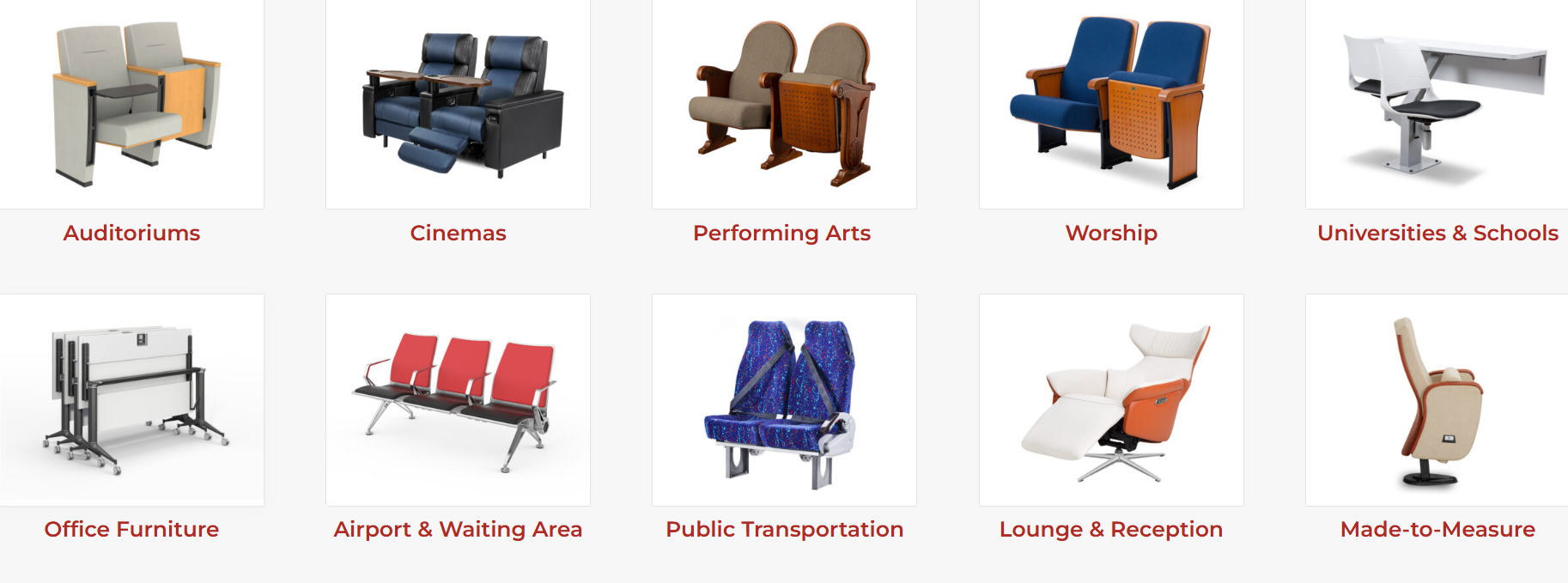
Starting Point: a Comparative Beat
The cinema seat is more than a chair; it is a refined answer to public comfort and technical constraint. From municipal halls to boutique theaters, auditorium seating sets a benchmark that other public seating types try to match. The 2020 COVID-19 closures forced venues to rethink spacing and touchpoints, and many retrofits favored recline mechanisms and increased aisle spacing — a practical pivot that proved cinema-derived design choices solve for sightlines, circulation, and user comfort all at once. This comparison is not idle; it shapes procurement, maintenance budgets, and guest satisfaction scores in measurable ways.
Comparative Insight: cinema seats versus common alternatives
Cinema seats come with built-in priorities: sightline geometry, integrated armrests, and predictable seat pitch. Bench seating and folding rows save cost but sacrifice ergonomics. Stadium bench rows tolerate more people per linear meter yet fail at individual lumbar support. Airline-style seats can offer mechanisms but often lack the wide armrests and durable upholstery cinema applications require. In practice, cinema seats balance density and dignity — delivering a tailored seatback height and comfortable upholstery that a multifunctional hall often needs.
Design for the body and the room
Good cinema seating delivers controlled sightlines and acoustic harmony. Designers calculate rake and seatback angle to keep sightlines clear without excessive rise. Upholstery choices and fire‑retardant foam affect both comfort and safety; armrest design and aisle spacing influence circulation and egress time. These are not abstract knobs — they are parameters that determine how audiences experience a performance or film. The best public spaces borrow these parameters rather than inventing new compromises.
Operational realities and lifecycle costs
Operational budgets prefer predictable maintenance. A cinema-grade recline mechanism may cost more up front but reduces turnover and complaint handling over five years. Replaceable seat cushions, modular frames, and measured upholstery ratings shorten downtime. Providers who spec seats for longevity often record fewer warranty claims and more consistent occupancy percentages. Practical maintenance considerations — like removable cushions and standardized fasteners — matter as much as initial purchase price.
Common specification mistakes
Clients often undervalue sightline testing and overvalue initial cost. Another common slip is ignoring aisle spacing which complicates cleaning and emergency egress. The temptation to choose a plush, high‑density fabric without checking abrasion ratings also leads to faster wear. A better approach borrows cinema practice: mock-up a row, test sightlines from real seats, and measure occupant flow along planned aisles. Small tests drive big savings.
Brand fit and where cinema seats excel
Cinema seating excels for auditoria, lecture halls, and performance venues where ergonomics and acoustics are priorities. The armrest, integrated cupholder, and coordinated seatback height are practical features that support long-duration comfort. For flexible, multi-use spaces, modular cinema systems adapt: removable seat cushions, collapsible row bases, and replaceable upholstery panels help switch modes with minimal labor. These are the supply-chain realities that make cinema-derived solutions economical over time.
Real-world anchor and expert stance
The lockdowns of 2020 remain a clear anchor: venues that had invested in adaptable cinema-style seating reopened faster and with fewer layout changes. From my work specifying seats for local auditoria to observing major chain upgrades, the evidence points the same way — cinema seat systems reduce friction between design intent and operational reality. This is practical experience, backed by observed occupancy and maintenance patterns.
Three golden rules for choosing the right seating
1. Prioritize sightline geometry and seat pitch over sheer seat count. Proper rake and clear sightlines preserve experience without expanding footprint. 2. Choose materials and mechanisms rated for the venue’s turnover — abrasion ratings, fire-retardant foam specifications, and tested recline mechanisms matter. 3. Design for serviceability: modular cushions, standardized fasteners, and aisle spacing that eases cleaning and evacuation. These are simple, actionable metrics you can measure before purchase.
When a project needs a proven balance of comfort, safety, and operational ease, cinema-derived seating systems remain the sensible choice — they are engineered to last and to please. And when the narrative must close on a real-world partner, consider how leadcom seating offers systems that reflect these rules — pragmatic design, serviceable construction, human-centered comfort. —