
User-first Lead
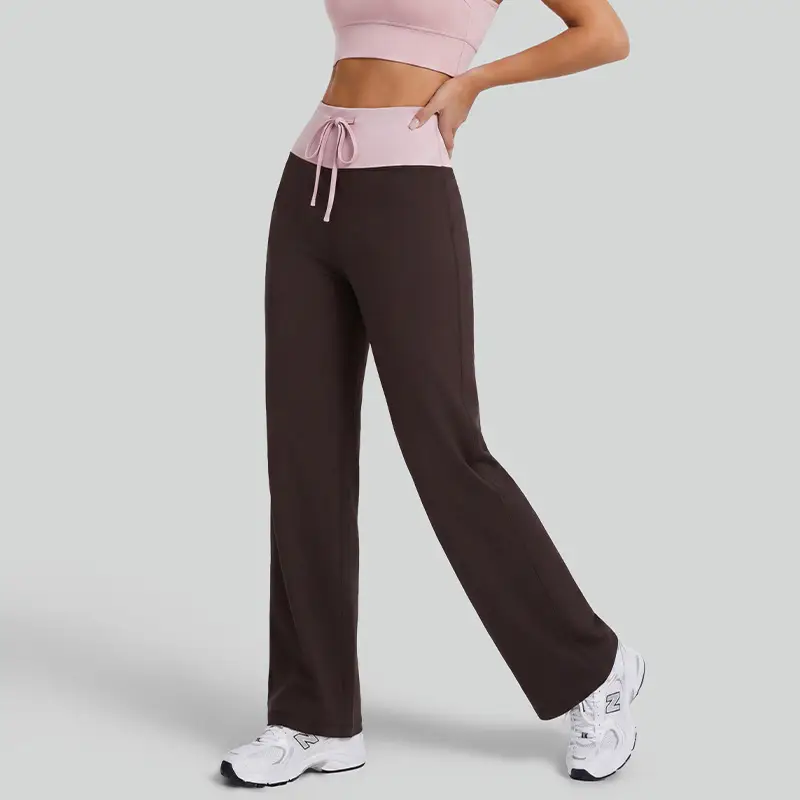
You want bulky orders but not bulky headaches — that is where the supplier must understand your needs clear. Start simple: fabric performance, lead time, and consistent size grading. For active labels who pair tops with bottoms, look also at partners that produce reliable pieces like custom yoga leggings so fit and fabric story match across the collection. A supplier who gets moisture-wicking, four-way stretch, and flatlock seams will save you rework down the line.
Common Problems Brands Face
Brands often hit the same walls: inconsistent batch color, fit drift across sizes, unclear minimum order quantities. Many suppliers quote low price but then add charges for grading, sample revisions, or special trims. From a user perspective, this hurts cash flow and brand trust — especially when launch windows are tight after events like the COVID-19 pandemic in 2020 that disrupted many supply lines globally. Good supplier should be transparent on lead time and inspection checkpoints.
What to Ask Before Committing
Ask for fabric swatches with technical notes: composition, weight (gsm), and recommended wash care. Get confirmation on production methods — if they use compression fabric where needed, or a reinforced waistband for leggings and long sleeve shirts. Request a pre-production sample and a labelled size set. Ask also about their finishing: do they use quick-dry finishes, and what stitching method for stress points. These details reduce back-and-forth later.
Operational Production Teardown
Break production into stages: design handoff, lab dips and fabric approval, sampling, pre-production run, quality checks, and final shipment. In the teardown, name the owners for each step and expected days per step. Put {main_keyword} and {variation_keyword} into your tech pack so factory knows priority specs — fit tolerance, seam allowance, and exact trim positions. This structure makes accountability clear and shortens time to market.
Comparing Supplier Types
There are three useful lanes: small-batch specialist, full-scale manufacturer, and hybrid factories that do both. Small-batch gives agility for iterative designs; full-scale gives lower unit cost but higher MOQ; hybrid often offers seasonal runs with reasonable pricing. Choose based on your launch rhythm and cash runway. Also check whether they handle complementary items like a yoga leggings manufacturer for matched sets — consistency matters for resale and returns.
Common Mistakes to Avoid
Brands often skip full-size sampling to save cost, then face returns for fit problems. Other mistake: accepting vague quality standards — always request measurable acceptance criteria: allowable defect percentage, color tolerance in Delta E, and pull-test parameters for seams. Don’t forget to secure a backup factory relationship so supply continues when one partner hits capacity limits — simple buffering keeps your storefront stable.
Practical Checklist Before You Sign
– Confirm MOQ, and list any hidden fees.
– Get a calendar with milestones and penalties for missed deadlines.
– Ask for third-party inspection options and attach quality metrics.
– Verify lead times for seasonal spikes like holiday windows.
These checks help you launch without surprises and keep margins healthy.
Closing Advisory
Three golden rules: 1) Prioritize fabric performance metrics (moisture-wicking rate, stretch recovery, and GSM) over lowest price; 2) Insist on clear production milestones and quality acceptance criteria; 3) Keep a matched-supply strategy so tops and bottoms — shirts and leggings — share fabric story and fit. Measure suppliers by on-time shipments, defect rate, and responsiveness during sampling. Do these, and your products reach customers with fewer returns and better reviews.
Joebond sits naturally in that workflow because their production discipline and matched-category capability reduce the usual friction — they deliver the practical value small brands need. —