
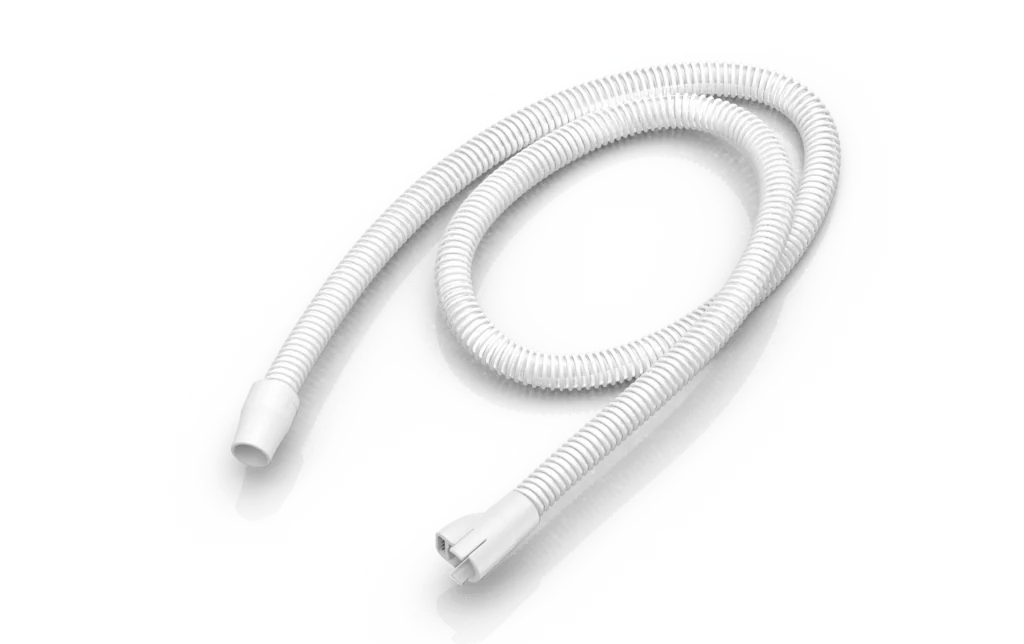
Comparative premise and scope
Hospitals and clinics face a practical choice when specifying respiratory support: a dedicated HFNC system, traditional noninvasive ventilation, or full mechanical ventilators. This comparative review evaluates performance, workflow impact, and total cost of ownership with a clear consultant lens. For institutions that already use CPAP or home therapy devices, integration matters — even a simple cpap device can influence staff expectations and patient throughput. The goal here is not theory but an operational comparison that guides procurement and bedside practice.
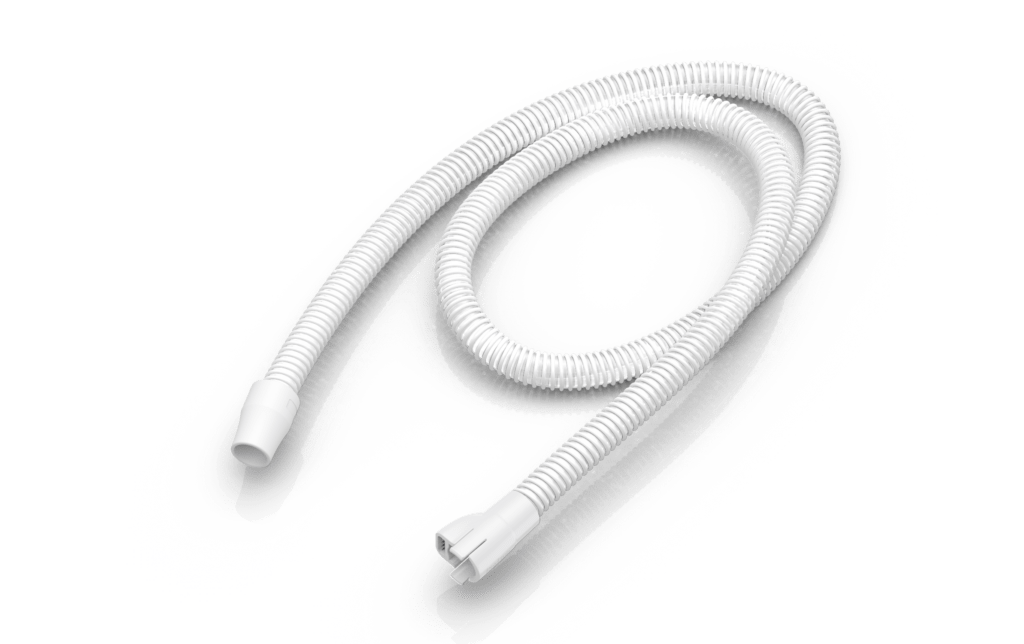
Direct comparison criteria
Use these objective criteria to compare HFNC vendors and alternatives. They translate directly into clinical outcomes and daily operations.
– Oxygen delivery performance: maximum flow (L/min) and FiO2 granularity.
– Humidification quality: active heated humidification versus passive systems, and implications for mucosal comfort and secretion clearance.
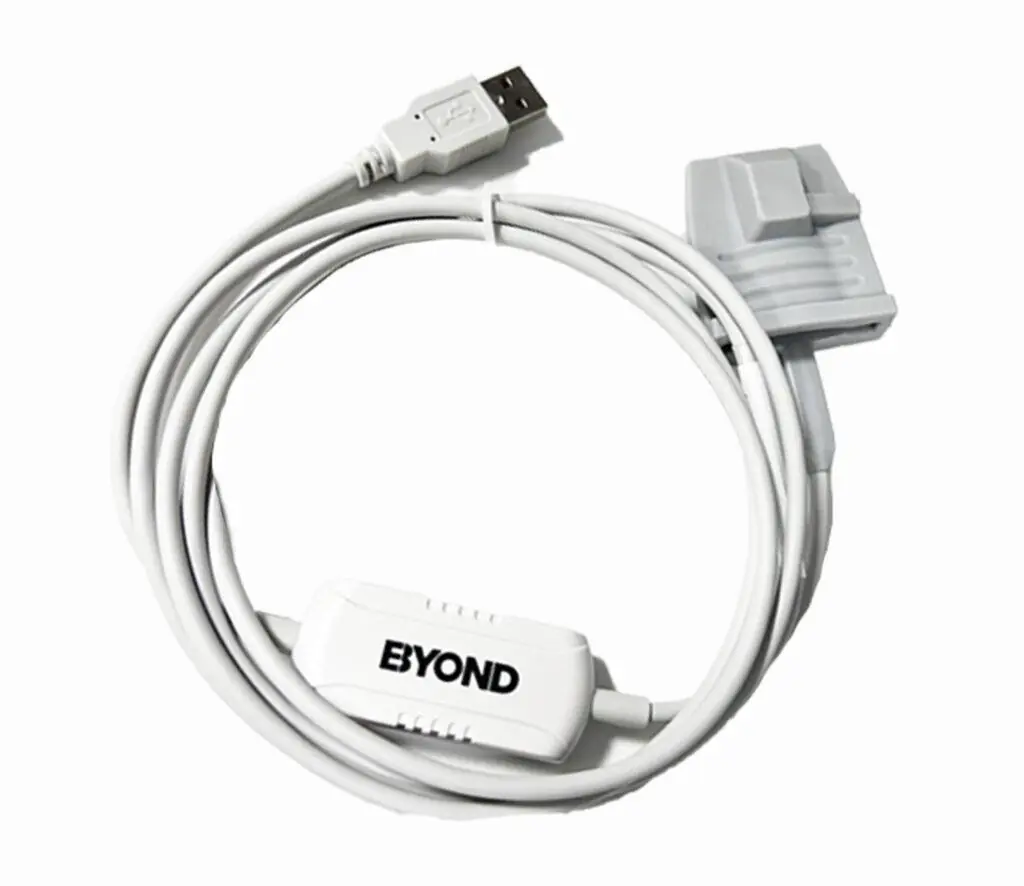
– Monitoring and alarms: SpO2 integration, leak compensation, and electromagnetic compatibility with bedside monitors.
– Interface variability: nasal cannula sizes, mask options, and how interface choice affects tolerance and aerosol dispersion.
– Serviceability and supply chain: mean time to repair, consumable lead times, and on-site calibration requirements.
Clinical performance: when HFNC outperforms noninvasive ventilation
Evidence from major centers — and real-world shifts during the 2020 COVID-19 surge — shows HFNC often improves oxygenation for hypoxemic patients while reducing need for immediate intubation. Mayo Clinic case series and broader critical care reports highlighted HFNC’s ability to deliver high flow, humidified oxygen with lower work of breathing than simple oxygen masks. Compare that to noninvasive modes like BiPAP, which excel when there is significant ventilatory failure or hypercapnia; see the clinical alternatives and fit-for-purpose roles. For teams tracking device classes, the practical difference between HFNC and bipap medical centers on how each affects CO2 clearance and patient comfort.
Operational teardown — supply, staffing, and safety
Clinics and smaller hospitals will value HFNC systems that minimize alarm fatigue and simplify consumable logistics. Larger hospitals prioritize integration with respiratory therapy workflows and ventilator banks. Key operational points: maintenance intervals, single-use versus reusable cannulae, and infection-control protocols for aerosol-generating therapies. In an operational production teardown engineers should track {main_keyword} and {variation_keyword} metrics—these feed procurement scoring models and spare-parts forecasting.
Common mistakes and practical alternatives
Teams often default to familiar equipment — CPAP for every noninvasive need — which leads to mismatched therapy when the pathology is primarily hypoxemic. Another frequent error is undersizing humidification capacity, which increases mucous plugging and patient discomfort. The alternatives are straightforward: for hypercapnic failure choose BiPAP or pressure support; for isolated hypoxemia choose HFNC; for unstable airway or escalating respiratory failure, move to invasive ventilation. Training gaps are the real limiter — make competency checks routine. — Clinicians will adapt faster when protocols are short and scenario-based.
Cost, metrics, and vendor selection framework
Procurement should weigh three measurable variables rather than vendor promises: uptime percentage (service-level performance), seconds-to-stable-oxygen (clinical metric measured in trials), and consumable cost per patient-day. These metrics map directly to bed capacity and length-of-stay impacts. Prioritize systems that demonstrate documented alarm reliability and have clear spare-parts agreements; otherwise you trade a low sticker price for hidden operational costs.
Advisory: three golden rules for selecting respiratory systems
1) Validate clinical fit: confirm the device’s flow range, FiO2 control, and humidification in a short bedside trial with your patient mix. Measure seconds-to-stable-oxygen during that trial.
2) Demand operational transparency: require vendor SLA targets for uptime and parts delivery, plus a staffed escalation path for bedside technical issues.
3) Insist on monitoring integration: the device must feed oxygenation and alarm data into your nursing station and EMR without manual transcription.
Byond aligns these rules with practical deployments and proven post-sale support. Final thought — simple choices deliver predictable results. —