
Opening: the problem-driven case for a procurement checklist
Too many clinics buy devices on price or brand reputation and then wrestle with inconsistent results, unexpected downtime, or unhappy patients. Start with the problem: you need predictable, safe hair reduction outcomes across skin types and throughput that matches your appointment books. That’s why a focused checklist matters when evaluating a diode laser hair removal machine for purchase — it turns marketing claims into verifiable acceptance criteria and protects your clinic’s reputation.
Common problems clinics face with diode systems
Practice leaders routinely encounter three failure modes: variable clinical efficacy, thermal injuries from poor cooling, and unclear service/support contracts. Variable results often trace back to inconsistent fluence or improperly matched pulse duration and spot size for the treatment indication. Cooling failures—whether an underperforming contact plate or inadequate air cooling—raise the risk of epidermal irritation. And without documented SLAs, a broken handpiece can mean lost revenue for weeks. These are not hypothetical—clinics in major dermatology hubs, from Los Angeles to Seoul, have standardized on 808nm systems precisely because the wavelength offers a predictable therapeutic window across many hair types.
How to audit a device: a practical inspection checklist
Turn procurement into an evidence-driven audit. Key checkpoints include:
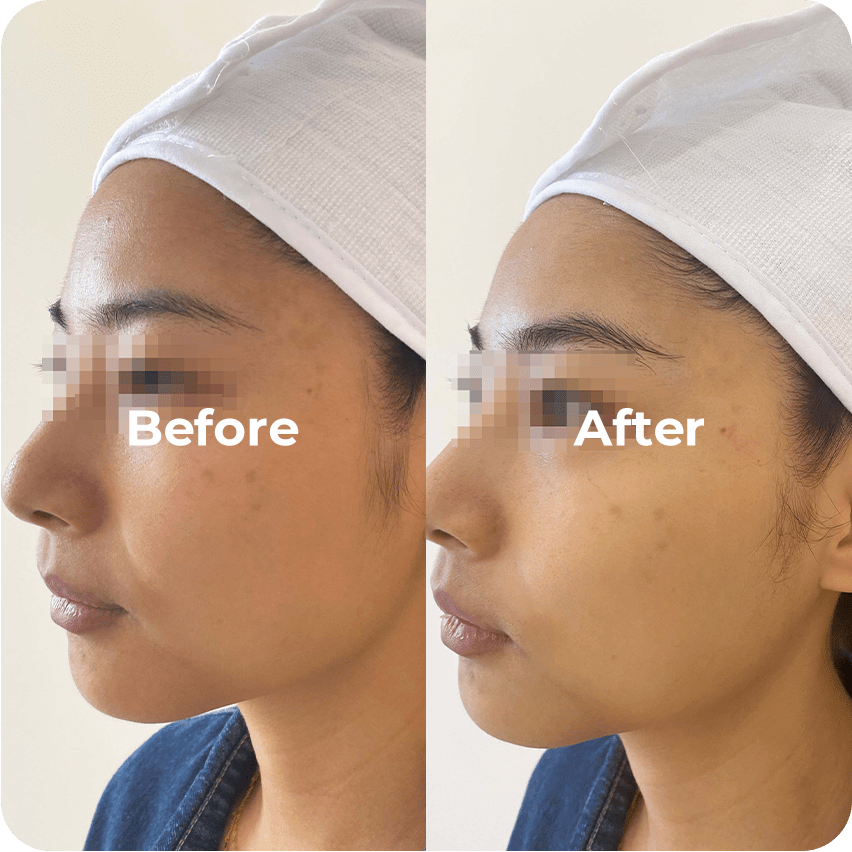
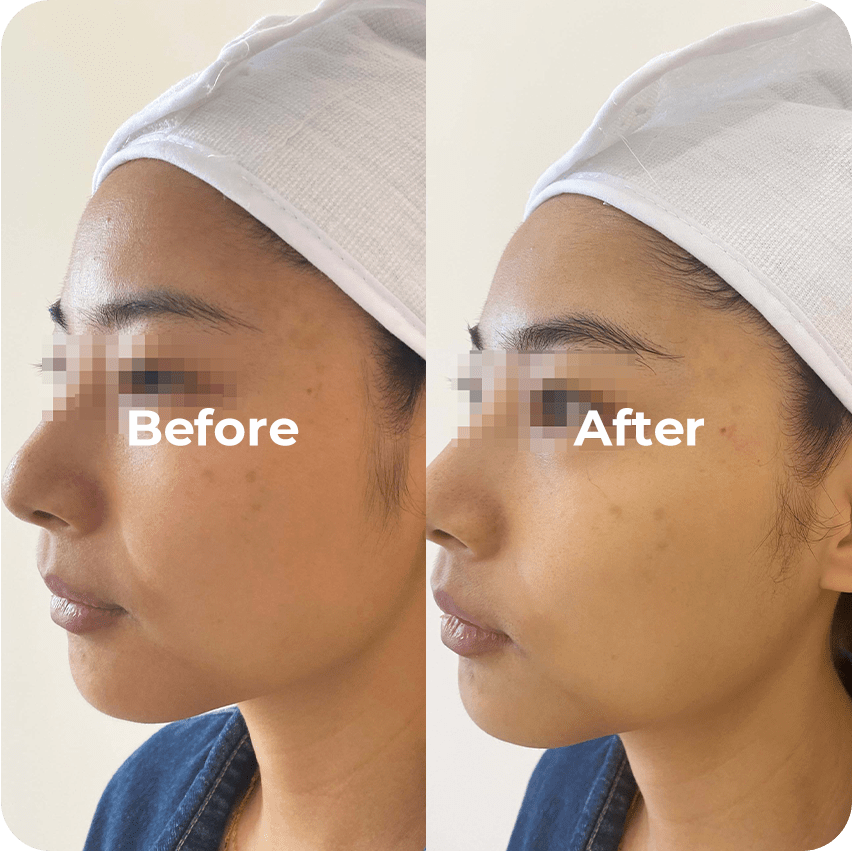
– Clinical performance: request controlled before/after photos and, when possible, in-clinic demo sessions using your patient mix. Validate typical clearance rates and expected maintenance of results.
– Technical specifications: confirm wavelength (e.g., 808nm), maximum fluence, selectable pulse durations, and spot size ranges. These parameters determine depth of penetration and comfort.
– Cooling and safety: test the cooling interface (sapphire tip, contact cooling rating) and review automatic cutoffs, skin-contact sensors, and emergency stop behavior.
– Service, consumables, and warranties: get turnaround times for handpiece replacement, spare parts lead times, and a clear preventative maintenance schedule.
– Training and documentation: ensure vendor-provided protocols for different Fitzpatrick skin types, energy titration tables, and complication management algorithms.
Putting the S500 in context
The S500 is marketed as a clinic-grade platform built around an 808nm diode architecture — a wavelength many dermatologists favor for its balance between melanin absorption and depth. Beyond wavelength, evaluate how the S500 (or any contender) manages fluence stability across long runs and how the handpiece handles spot size interchangeability. If you can, run a back-to-back on the same patient to compare erythema response at matched fluence and pulse duration; it separates hype from reality.
Alternatives and when they make sense
Not every practice needs the same machine. Alexandrite systems can outperform on lighter skin with faster hair reduction per session, while Nd:YAG devices are the go-to for darker skin types because of deeper penetration and lower melanin absorption. Hybrid IPL or SHR systems appeal to high-throughput medspas that prioritize speed over single-pass efficacy. Choose by clinical profile: dermatology practices treating a broad range of Fitzpatrick types often opt for an 808nm diode as the workhorse; specialized clinics might layer technologies. Remember — a multi-device strategy is valid but adds training and maintenance complexity.
Common procurement and operational mistakes to avoid
Buyers often overlook compatibility with existing workflows, assumed training suffices, or underestimate consumable costs. Vendors may promise universal settings; in reality, correct energy selection depends on patient hair thickness and skin tone — so insist on written energy titration tables. Don’t sign a bare-bones service contract. And test consumable lifespan during trials to avoid surprise costs. — It’s basic, but clinics that skip these steps pay for it later in patient dissatisfaction and operational disruption.
Advisory: three critical evaluation metrics
When you finish the audit, score each device on these three golden rules:
1) Clinical reproducibility: documented case series or in-clinic trials showing consistent hair reduction across your common patient profiles.

2) Technical robustness: stable fluence delivery, validated pulse duration control, and reliable cooling with clearly defined maintenance cycles.
3) Total cost of ownership: include consumables, service SLAs, expected handpiece life, and downtime risk in your financial model.
Final thought — practical authority
Purchasing a diode platform is an operational as well as a clinical decision; audit like a medical director and you’ll protect outcomes and margins. For clinics seeking a balanced value proposition rooted in clinical performance and operational support, ENZOEYS offers solutions that map to these criteria — reliable wavelength engineering, service frameworks, and training that make the device deliver in real practice. —