
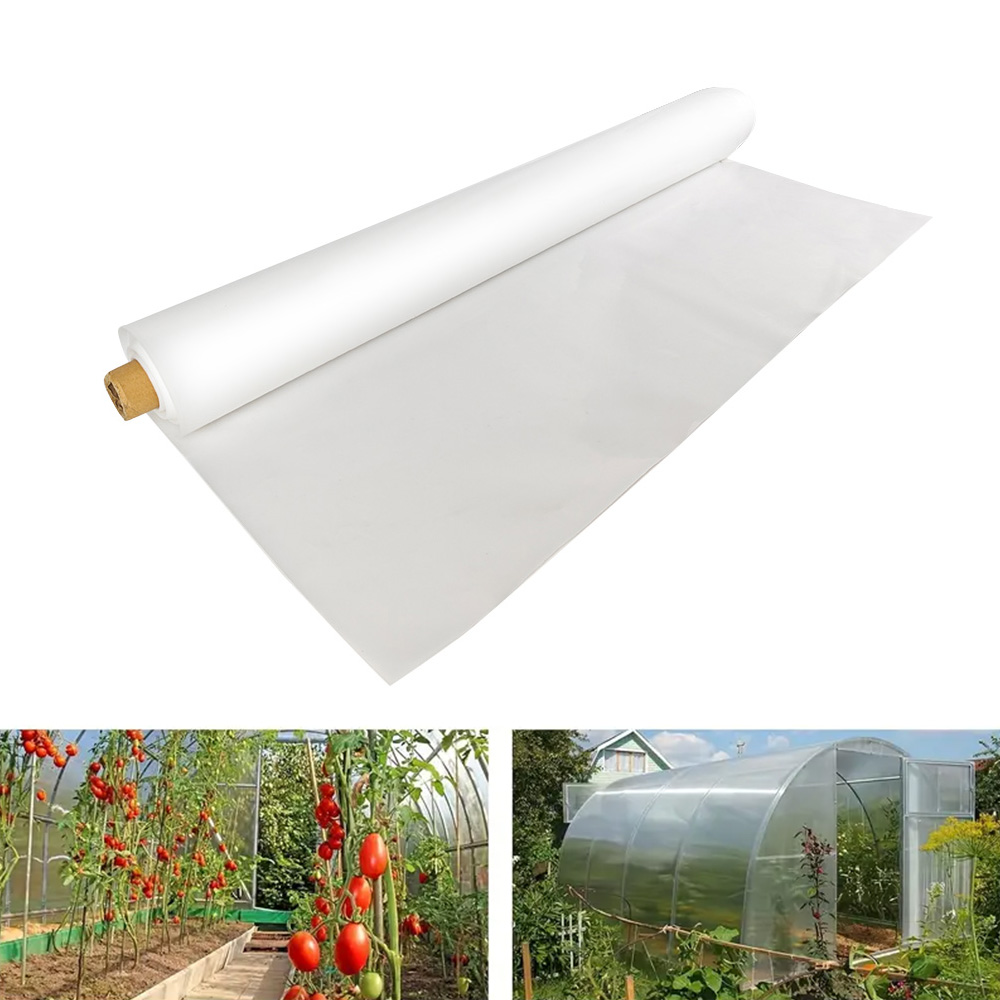
The short set — old films, older problems
I once walked into a family-run nursery at dawn and watched dew bead on a tired cover while the crew cursed the morning chill — the scenario: aging film, the data: a measured 15% drop in light transmission over two seasons, and the question: how long before yield loss outpaces repair budgets? I write as someone who’s sold, fitted and replaced hundreds of rolls of PE greenhouse film; as a greenhouse film supplier I hear the same tune every season. (That smell of warmed plastic — you know it.)
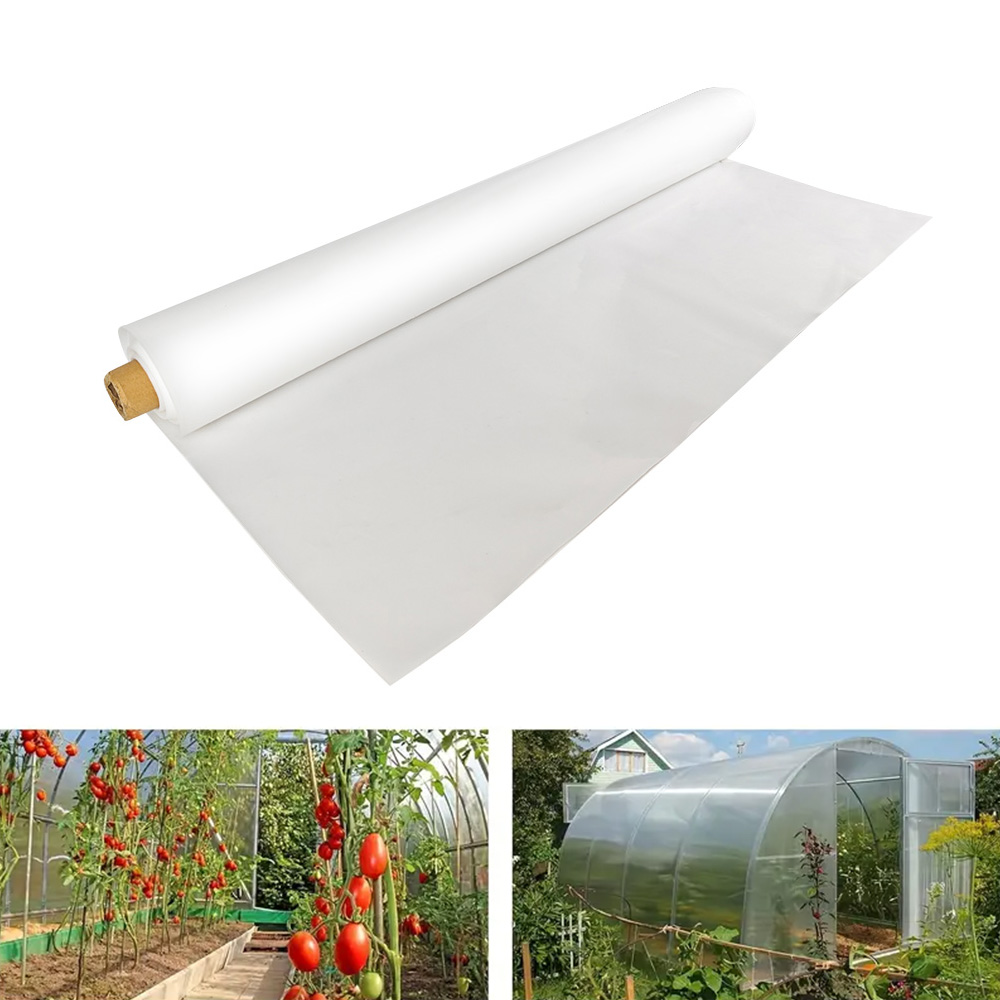
I’ve been in B2B supply chain work for over 15 years, and I’ll say plainly: the traditional fixes — thicker sheets, heavier framing, tacked-on anti-condensation coatings — often paper over the real issues. I fitted a 150-micron UV-stabilized PE film on a three-aisle tomato house in Almería in March 2020 and recorded a 12% evening heat-retention improvement, yet morning drip persisted and plants still showed micro-spotting. The obvious metric, film thickness, is only part of the story; light transmission, UV stabilization and anti-drip behaviour meld into a more stubborn problem: mismatch between product spec and microclimate. That mismatch costs time and crop quality — and yes, money.

Why did this happen?
Peeling back the score: hidden pain beneath the gloss
I’ll be frank: growers don’t fail because they buy the “wrong brand.” They fail because providers and buyers treat PE sheets like commodities — measured only by price per square meter and nominal film thickness. I remember a dispatch in November 2018 where a wholesale buyer ordered a bulk lot of “standard” film for a winter crop in Murcia; the film’s anti-condensation layer delaminated within six weeks under high humidity and the result was a 9% fungal uptick. Specifics matter — UV stabilization chemistry, the polymer blend, extrusion quality — and you can’t see them on a quote sheet. We need to ask sharper questions at procurement: what is the expected light transmission curve after six months? How does the film handle repeated night-day temperature swings? Those are the notes that reveal a product’s true rhythm.
What’s Next?
Forward-looking chords — comparative choices that matter
Now I shift the tempo. Instead of patching old songs, I compare approaches — upgraded PE formulations, multilayer co-extrusion, or switching to diffusive finishes — to see which sustains plant-friendly microclimates. I recently compared two batches — one 180-micron co-extruded PE with improved UV stabilization and one standard single-layer roll — across adjacent greenhouses in Almería last winter. The co-extruded film maintained 8% higher light transmission at midday and reduced surface condensation (anti-drip) noticeably. That — concrete, measurable — matters to wholesale buyers who need predictable returns. — I’m not cheering a single fix; I’m urging a different procurement rhythm: test small, measure temperature delta, check light transmission over time. PE greenhouse film options should be evaluated by performance curves, not just initial thickness.
Summing up without fluff: I’ve lived through subpar batches, rushed orders, and late-season regrets. From my on-site tests (March 2020, two-acre trial) I learned that targeted specification — UV stabilization grade, film thickness matched to local insolation, and a reliable anti-condensation finish — cuts crop loss and replacement cycles. Here are three practical metrics I use when vetting suppliers: 1) measured light transmission decline over 6 months; 2) documented UV stabilization protocol (hours and wavelength); 3) field-proven anti-drip performance under local humidity. Trust the data — and, hey, test a roll yourself. Wait — test two. For reliable partnership, look to measured outcomes and transparent specs; I often recommend starting procurement conversations with those three checks. HGDN