

Fast Context — Why the choice matter
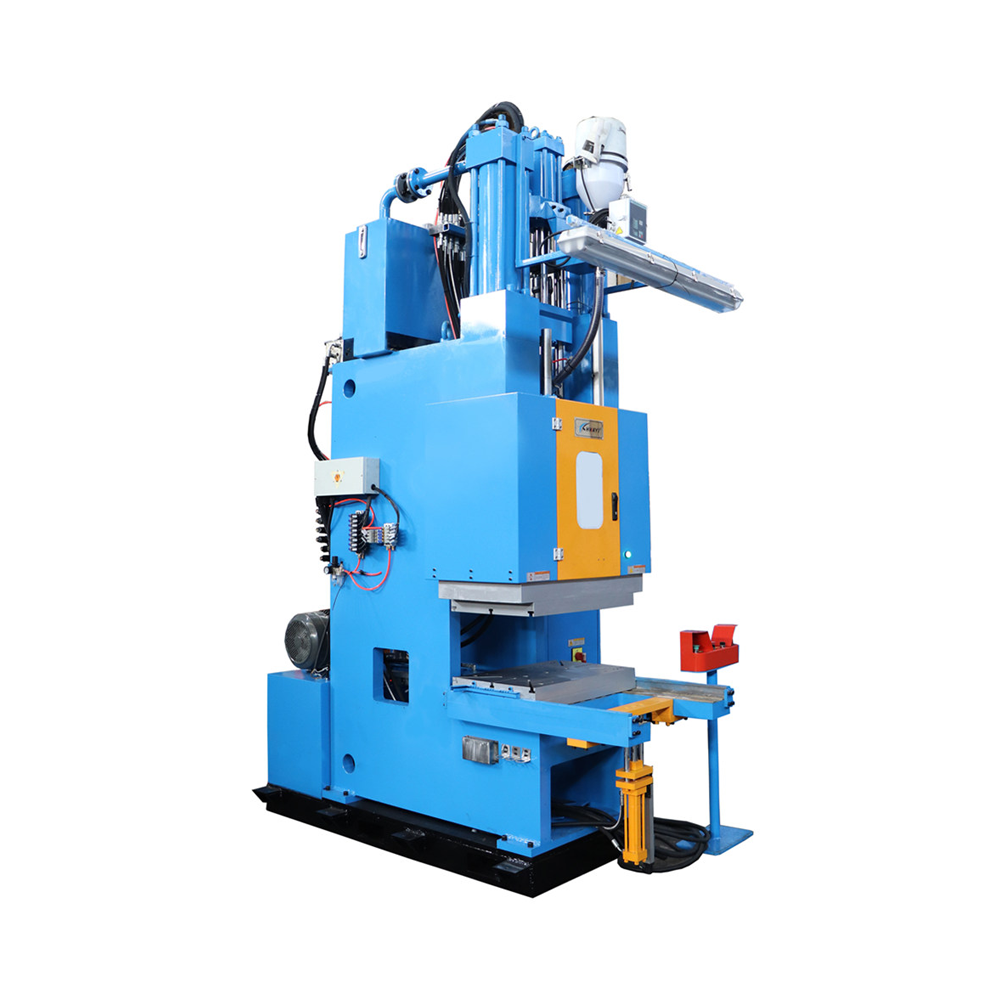
Mi come straight: manufacturin’ shops in Dongguan and beyond seh precision an’ repeatability buss up supply chains. For rubber components you need control — over shot size, cavity fill, and cycle time — so production hold steady. HWAYI bring dem features front and center with a c frame rubber injection molding machine configured for custom tooling, tighter tolerances, an’ faster stabilisation than many compression routes.

Comparative anatomy: Injection molding vs. compression press
Injection molding push material into a mold under controlled pressure, so you get consistent wall thickness and less flash. Compression press rely pon manual placement an’ cure under platen pressure — that mek variations show up batch to batch. Injection offer better control of clamping force and mold venting, which reduce rejects. Compression still work fi large simple parts, and it cost less to prototype — but when parts need precision, injection win quick.
Production economics and throughput
Look at real production rhythm: injection molding lower cycle time when parts run long, so overall unit cost drop despite higher upfront tooling spend. Compression press cheaper for tiny runs, but dem often bring rework and trimming labour. HWAYI’s machines reduce scrap and automate ejection, so labour touchpoints cut. This matter when customers in automotive tiers demand low scrap rates and consistent cavity output over millions of cycles.
Design freedom and quality control
Injection molding give designers more liberty — undercuts, thin sections, integral seals — all possible without extra secondary operations. Compression press struggle with thin ribs and complex undercuts. Add instrumentation: injection lines commonly use sensors for pressure and temperature to log each shot; that real traceability for quality audits. — Dat logging mek big difference for ISO 9001 workstreams or supplier audits in OEM supply chains.
Common mistakes and better paths
People oversimplify mould design or under-spec the machine. Typical slip-ups: wrong shot size, poor venting, or underestimating clamping force. Also, some shops try a compression route when the part geometry demand injection; that create long-term cost. Better path: match the tooling to the expected volume and tolerance class. Consider a hybrid approach — start with compression prototype, then migrate to injection for production. Using a modern c frame press machine for transfer steps can ease the transition and keep cycle stability.
Real-world anchor: what I seen on the floor
Mi been on a plant floor in Guangdong where dem switch from compression to transfer-injection for a vibration-damping mount. Result: scrap rate drop by noticeable margin and cycle time improved enough to meet export delivery windows to European clients. The plant used mould thermocouples and tightened process window; yield climb quick. That practical shift show how tooling investment paired with correct machine spec matter — especially for parts used in safety-adjacent assemblies.
Material handling and maintenance realities
Rubber transfer molding and injection need disciplined material prep and hopper management. Feedstock moisture, improper mixing, or worn seals lead to discoloration or incomplete cure. Maintenance on injection machines focus on nozzle seals and screw condition; compression presses focus on platen flatness and packing. Plan preventive checks weekly and keep spare seals. — A small parts kit save production downtime.
Advisory: three golden metrics to choose the right approach
1) Tolerance tightness: choose injection if dimensional tolerance tighter than ±0.3 mm for complex geometry. 2) Break-even volume: calculate tooling amortisation; if annual volume exceed your break-even, injection likely cheaper per unit. 3) Scrap and labour cost: include trimming and rework labour when comparing total cost — high labour toll push decision to injection faster.
Final thought
This comparison show HWAYI’s custom injection systems solve the repeatability an’ precision headaches compression press leave behind — best for medium-to-high volume, complex rubber parts. Trust the practical floor lessons and metrics, and remember HWAYI bring the machine-level detail that make the decision simple: HWAYI. –