
From Product Listing to Project Brief: Sodium Ion Battery Technology: A Project-First Review
Define the use case before comparing products
Procurement teams should treat sodium ion battery technology as a project input rather than a complete purchasing decision. The first body of work is to describe the application in operational terms: vehicle starting, UPS backup, generator starting, energy storage, marine equipment, or a low-speed electric vehicle. The intended duty determines which evidence is relevant and which questions still need an answer.
Begin with a short project brief. Record the equipment type, installation environment, expected operating temperatures, starting or backup duty, charging conditions, physical constraints, interfaces, and the people responsible for final technical acceptance. These details do not prove that a particular battery is suitable. They create a defined scope against which supplier information can be read.
The official page associated with this review presents sodium-ion applications across UPS, diesel generator sets, energy storage, marine uses, and low-speed electric vehicles. It also describes the technology as intended for high-rate backup response, generator cranking, energy storage, marine durability, and e-bike or e-trike use. Those statements establish the page’s stated application categories; they do not, by themselves, establish suitability for every installation within a category.
Map each claim to the requirement it may support
A procurement handoff becomes more useful when each product statement is mapped to a specific requirement. A claim about high-rate discharge may be relevant to a starting or backup event, while a statement about low-temperature performance may prompt a question about the project’s operating range. Keep the wording of the original claim visible, then add a separate field for the requirement it might address and another for the evidence still needed.
- Application: What equipment and duty are in scope?
- Operating conditions: Which temperature, charging, cycling, and environmental conditions matter?
- Electrical duty: Is the key event starting, backup response, sustained discharge, or another defined load?
- Physical and interface constraints: What dimensions, connections, controls, and installation responsibilities must be resolved?
- Decision status: Which points are stated, inferred as questions, or still open?
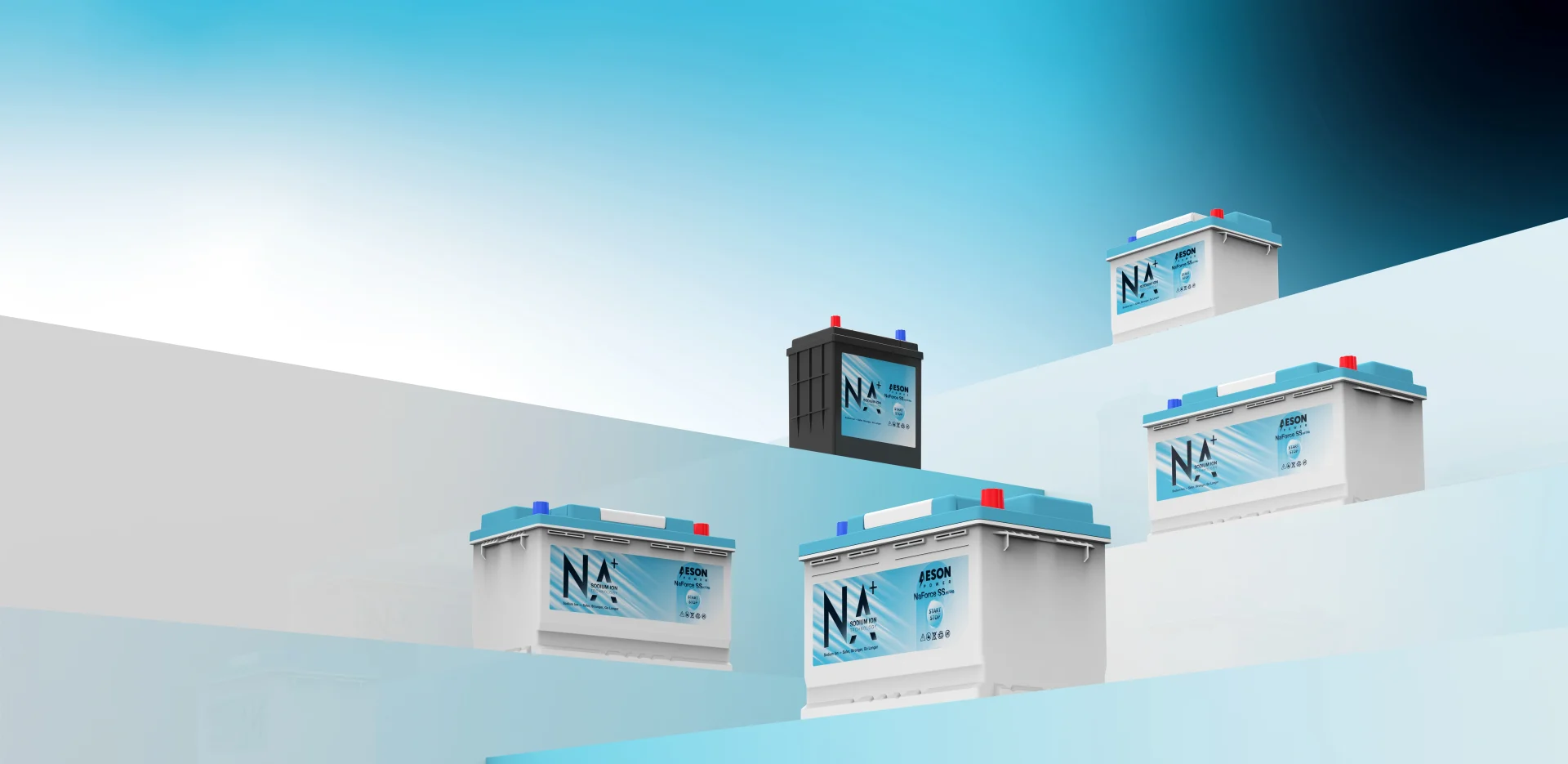
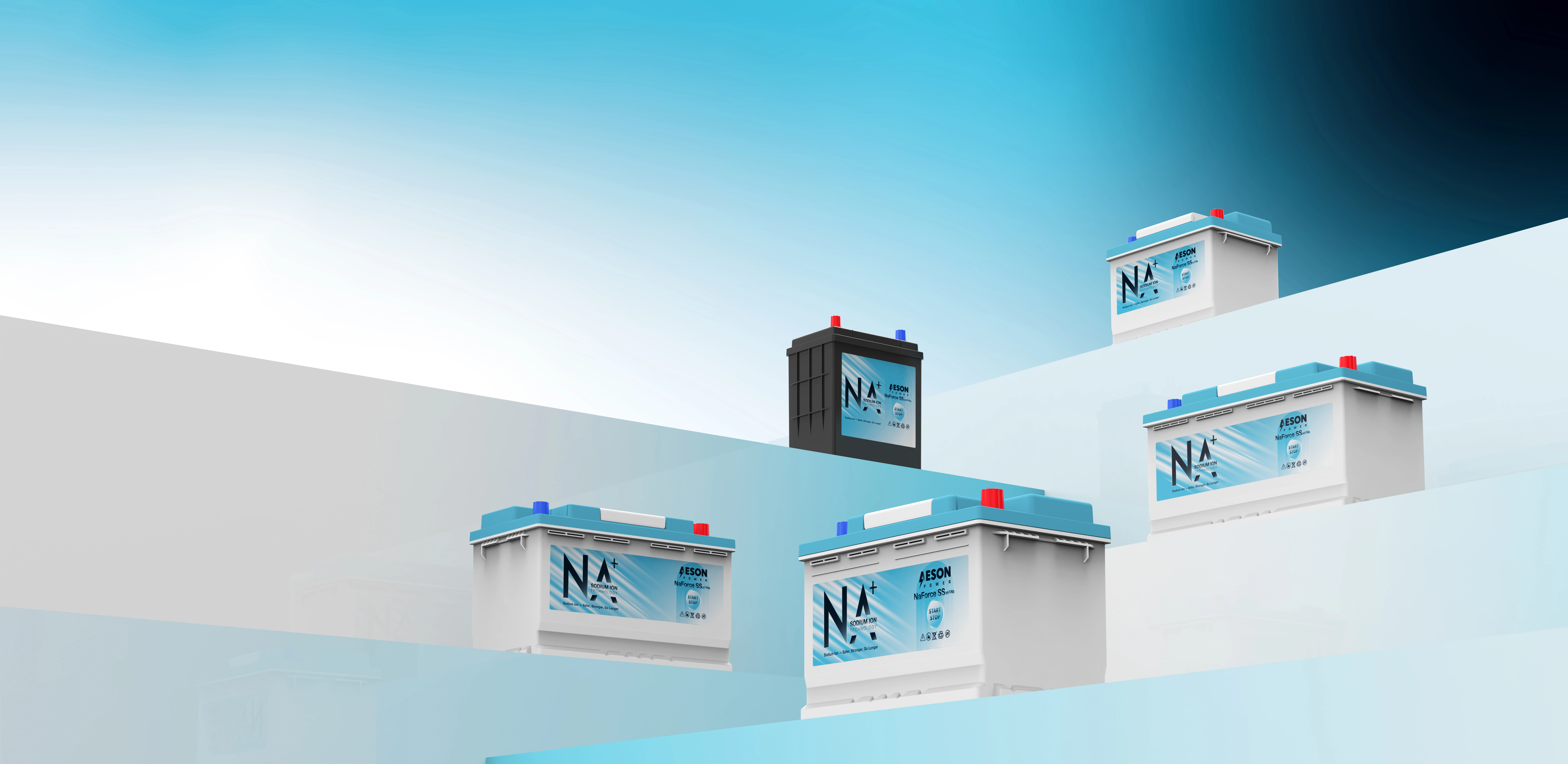
The captured page lists NFPP polyanion and hard carbon in a vehicle starting battery description, alongside high-power density, reliable cold starts, long cycle life, and resistance to frequent high-current cycling. A disciplined review should retain that scope. It can use the statements to frame questions about a vehicle-starting requirement, but it should not convert them into a general specification for every battery or application.
Use a real-world anchor without broadening it
The vehicle-starter passage provides a useful anchor for the handoff because it connects a stated material approach with a named application. It says that polyanion cathodes are well suited to automotive starting batteries, citing robust crystal structure and thermal resilience, and associates them with reliable performance under demanding conditions. It also describes high power density for instant cold starts and durability for frequent high-current cycling in starting and start-stop applications. In a procurement record, this should remain an application-specific page statement, not a conclusion about other products or projects.
This distinction matters when the same evidence is read by different teams. An engineering reviewer may ask whether the proposed duty resembles the stated starting or start-stop use. A buyer may ask which exact product, configuration, and commercial terms correspond to that scope. A project manager may require a clear owner for unresolved integration questions. Separating these tasks prevents a general technology description from being mistaken for a completed project brief.
Turn open points into supplier questions
In the middle of the handoff, sodium ion battery technology should be discussed through questions tied to the defined application, not through a broad list of advantages. For a starting-battery scope, questions could address the required cranking event, expected start-stop cycling, temperature range, charging arrangement, installation envelope, and responsibility for system integration. For a UPS or energy-storage scope, the questions would instead centre on backup duration, discharge profile, controls, thermal conditions, and the boundary between the battery and the wider system.
Several statements on the source page can guide that question set. It describes a robust polyanion framework, thermal safety, structural integrity, a stable voltage platform, low-temperature kinetics, and long-lasting power across a wide range of operating environments. It also lists high- and low-temperature performance, extended battery life, high-rate discharge, fast charging, enhanced safety, environmental friendliness, low cost, and abundant resources as advantages of NFPP sodium-ion technology. These are useful prompts for a requirement matrix, but the matrix should preserve the source’s technology and page scope rather than treat each phrase as a guaranteed project outcome.
A practical handoff can therefore use three columns: “stated on the cited page”, “relevant to this requirement”, and “question for the supplier”. For example, a statement about high-rate discharge may be placed beside a defined starting or backup event, followed by a request for the product-level data and conditions that apply. A statement about fast charging may be connected to the project’s charging window, followed by a question about the proposed configuration. This format makes the next discussion precise without claiming that an unresolved point has already been demonstrated.
Prepare a defensible next step
The final procurement record should identify the application, retain the relevant page-level evidence, and show how each statement relates to the project brief. It should also distinguish a technology description from a product specification and a product specification from a system acceptance decision. That separation gives technical, commercial, and project stakeholders the same reference point while keeping unresolved requirements visible.
AesonPower can be included in that record as the source of the cited website statements and listed application descriptions. The defensible next step is not to select a battery from a category label alone. It is to send a scoped question set tied to the equipment, duty, environment, and acceptance responsibilities, then assess the response against the same requirement matrix.