
The mismatch you didn’t see coming
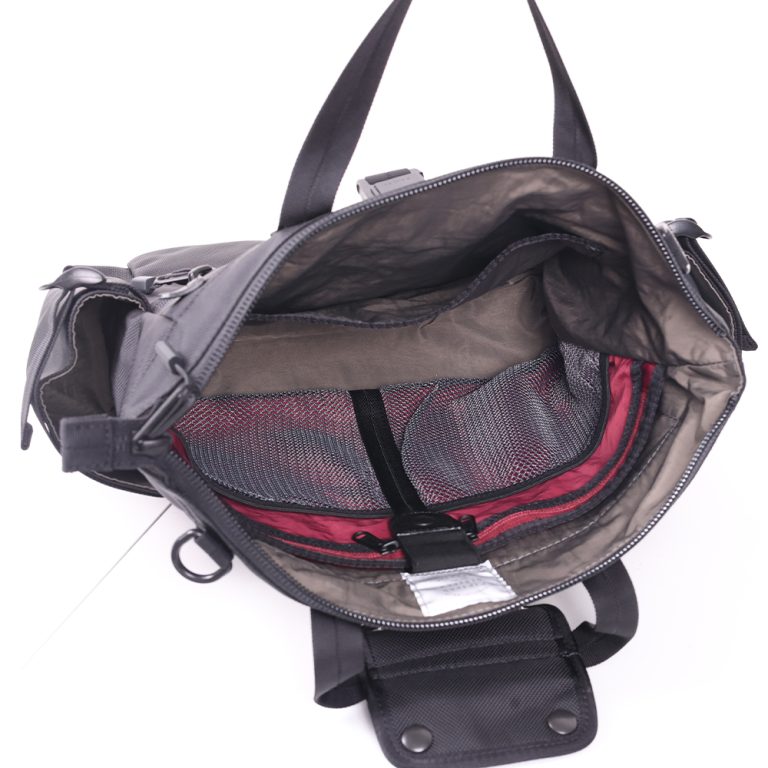
Orders arrive. The pockets don’t line up. Foam inserts are wrong depth. You needed reliability, not surprises. Buyers ask for samples, yet the sample that fits your camera rig months later is seldom the one that ships. Some manufacturers post glossy photos of a camera gear bag, but images hide seam weakness and hardware quirks. Decide what breaks first, and you reduce waste.
Where the breakdowns start
Specifications are the weak link. Vague tech packs invite interpretation. Material names mean different things across provinces. Minimum order quantities mask tooling limits. Small tolerances on zippers or buckles become big problems when mass production begins. Fix the brief, and you stop the cascade of errors.
Experience that points to practical fixes
Decades of supplier reviews and on-site checks teach the same lesson: measure, then insist. Test samples under real load. Ask for laminated swatches, stitch diagrams, and load-rated hardware. When buyers bring a clear divider spec, production follows it. I’ve seen the prototype runs at major trade events—Photokina in Cologne—where engineers compare divider systems side by side. That industry scrutiny makes the difference; it’s why a simple camera bag with dividers can move from concept to dependable kit quickly.
Common pitfalls and how to stop them
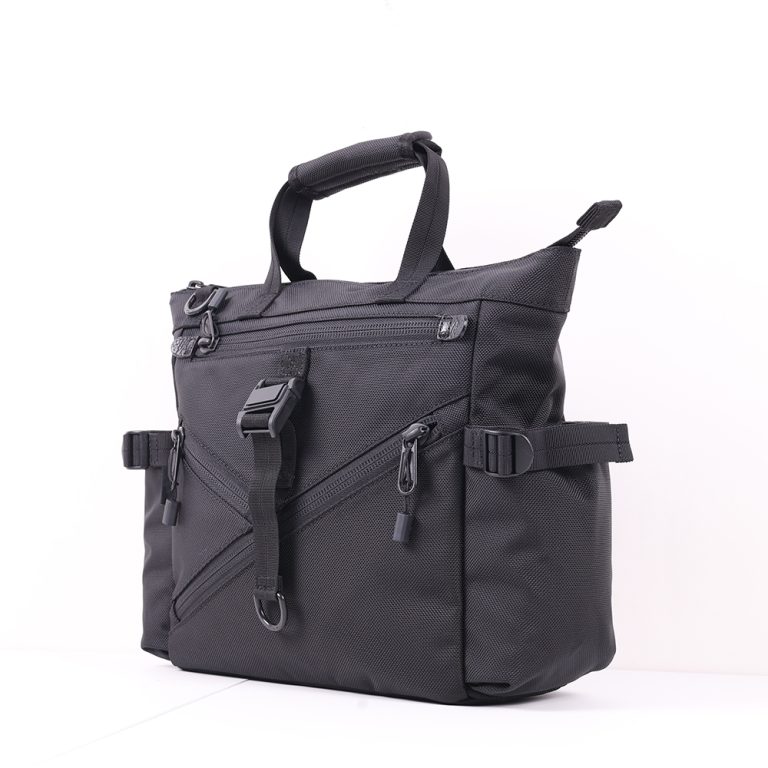
Relying on factory photos. Skipping drop tests. Accepting vague hardware grades. Each choice compounds risk. Demand clear acceptance criteria: foam density for dividers, stitch count per inch, zipper pull tensile strength. Schedule a pre-production sample and a first-article inspection. If you can’t travel, hire a trusted third-party inspector and require videoed tests.
Alternatives that actually solve the problem
Choose modular dividers instead of glued foam for longer life. Consider ODM templates if you need speed; pick OEM when you need exact control. Use a trusted small-batch run to validate changes before scaling. Local assembly hubs cut lead time but raise unit cost; weigh that against risk of failed bulk runs. Don’t chase the lowest quote—chase technical clarity.
The quiet resolution
Problems reveal priorities. When specs are precise, production behaves predictably. When testing is non-negotiable, products survive real use. That pattern led me to prefer suppliers who document decisions and stand behind them, the ones that turn a fragile promise into a reliable pack. You’ll find that clarity in makers who treat hardware, foam, and seams as engineering, not decoration—so the bag you receive works the first time. That clarity is exactly what ChangRong brings to complex briefs, without fuss.