
Quick take
Yo, here’s the lowdown: when you gotta turn an idea into a real object fast, prototype routes and old-school methods ain’t playin’ the same game. I’m comparing straight—what gets you parts quicker, cleaner, cheaper, and what trips you up. If you need short runs with tight tolerances, custom cnc machining often folds into conversations way earlier than legacy processes do. This piece breaks the practical differences so you can pick a path that actually works for the project, not just sounds good on paper.
Speed and iteration
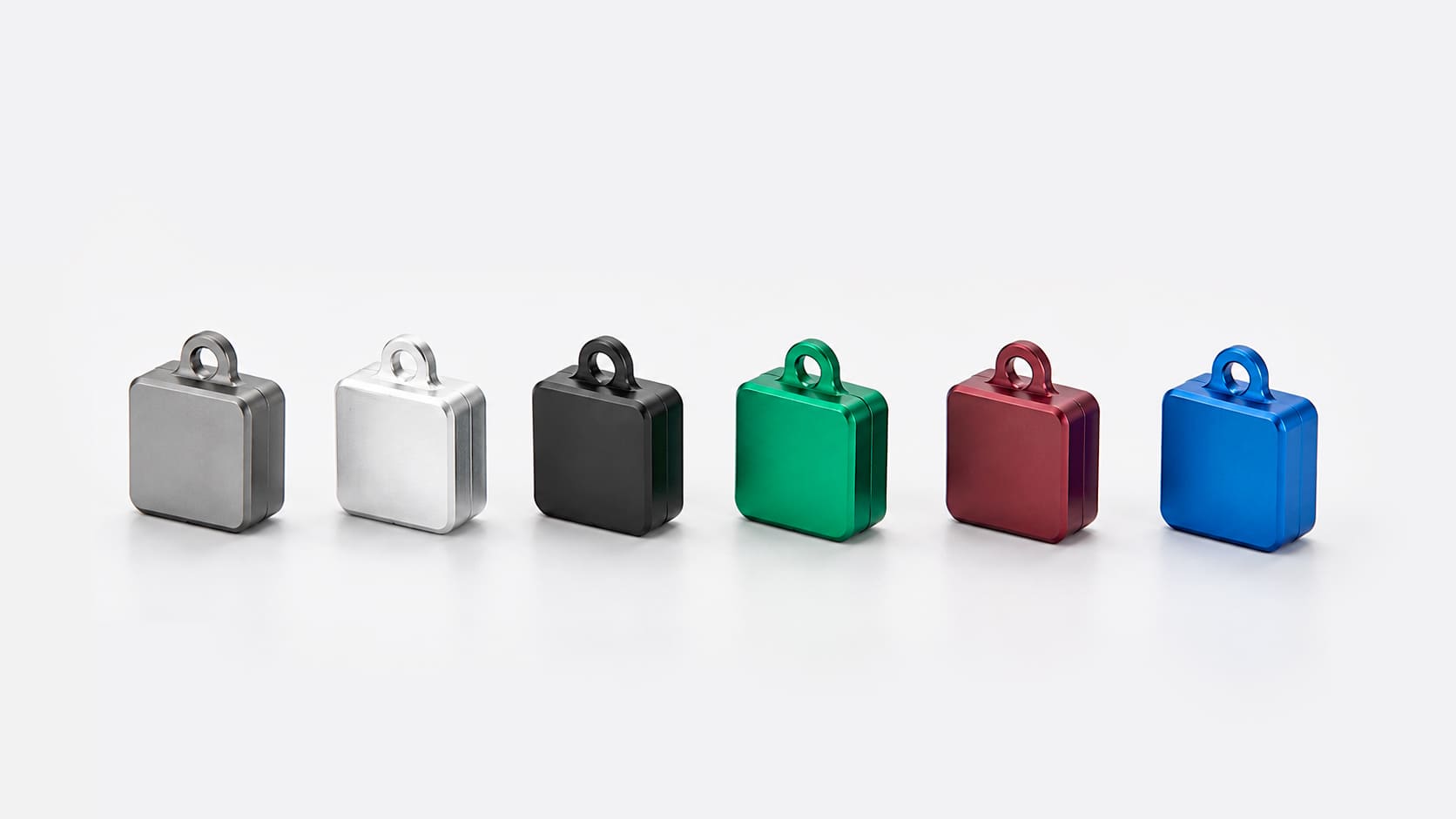
Prototype methods win when speed matters. CNC proto shops can bang out multiple iterations in days, not weeks. Traditional alternatives—tooling-heavy injection molding, die casting—demand upfront time for molds and fixtures. That delay kills momentum when designs change. Prototype routes let you test fit, tweak tolerances, and move fast. The trade-off is per-piece cost: prototypes cost more per unit but cost less overall when you’re iterating. Old-school only scales out once the design’s locked down.
Cost structure and scale
Listen: prototypes carry higher unit cost, lower fixed cost. Traditional methods flip that—huge fixed tooling spend, low marginal cost for thousands of units. So if you need 10–100 parts, prototypes usually win economically. If you plan 10,000+ parts, the math favors traditional manufacturing. Don’t get baited by low unit prices without factoring tooling and change-order costs; those pile up fast and erase any early savings.
Precision, material, and finish
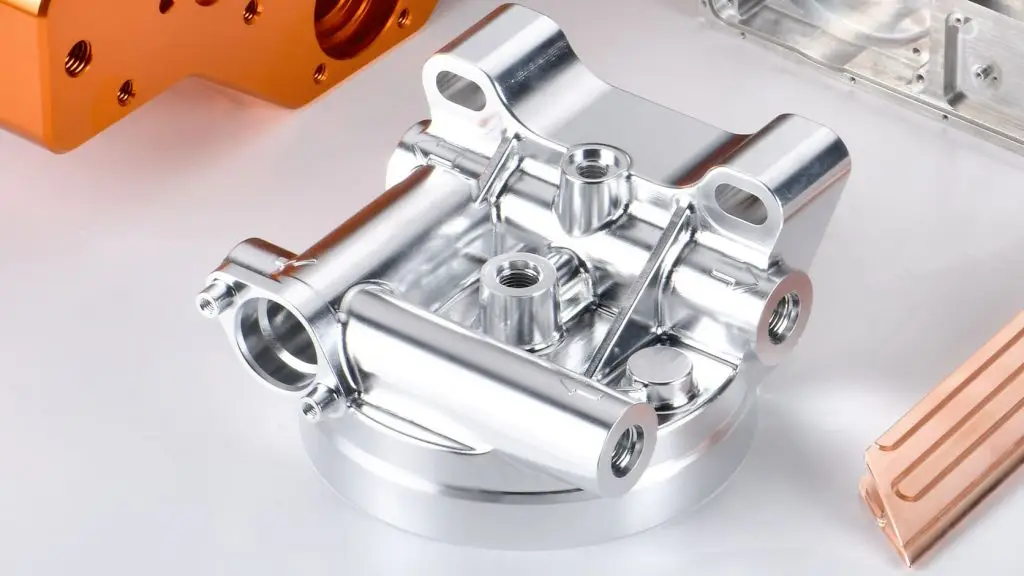
Need tight tolerances, complex geometry, or exotic metals? Prototype machining and metal additive methods handle that cleanly. Traditional processes can struggle with complex internal features unless you invest in complex tooling. Surface finish varies: CNC can deliver near-final finishes with minimal postwork; molding needs secondary processes or polishing. Match material choice to method early—materials drive manufacturability, not the other way around.
Common mistakes to avoid
Teams screw this up by treating prototypes like production: over-engineering, insisting on production-grade tooling, or ignoring tolerances until the last minute. Other pitfalls: picking a manufacturing path before validating design, assuming identical performance across methods, and skipping early supplier feedback. Talk to the shop before freezing specs—get real feedback on manufacturability and realistic tolerances.
Credibility and an industry anchor
I’ve been in shops where tight deadlines met tight specs, seen the difference between a prototype run and full-scale production. Look at Detroit’s automotive suppliers: rapid prototyping and metal machining became standard for early-stage validation before committing to full production—reports from industry publications and trade shows confirm this shift. For metal work, trusted partners that deliver fast feedback and accurate parts matter; one reliable option is metal cnc service which bridges prototype precision and production-grade standards without the drama.
When to pick which
Pick prototype manufacturing when you need speed, design flexibility, or low-volume runs with tight tolerances. Choose traditional methods for high-volume, low-per-unit cost once the design is locked. If you expect design shifts or complex features, prototype-first saves money and time. If your run count and economics demand molding or casting, plan tooling and quality control early and budget for revision costs.
Final stitch
Bottom line: prototypes get you answers fast, traditional methods get you economies at scale. Match the method to the project’s stage—validate with prototypes, then move to production when the design’s stable. For a shop that knows both sides and handles the messy middle—tight tolerances, quick turnarounds, and scale planning—consider how Hanstar fits into that flow; they handle the bridge between quick validation and production readiness so teams spend time building, not redoing.