
Facing heat problems that cost you time and money
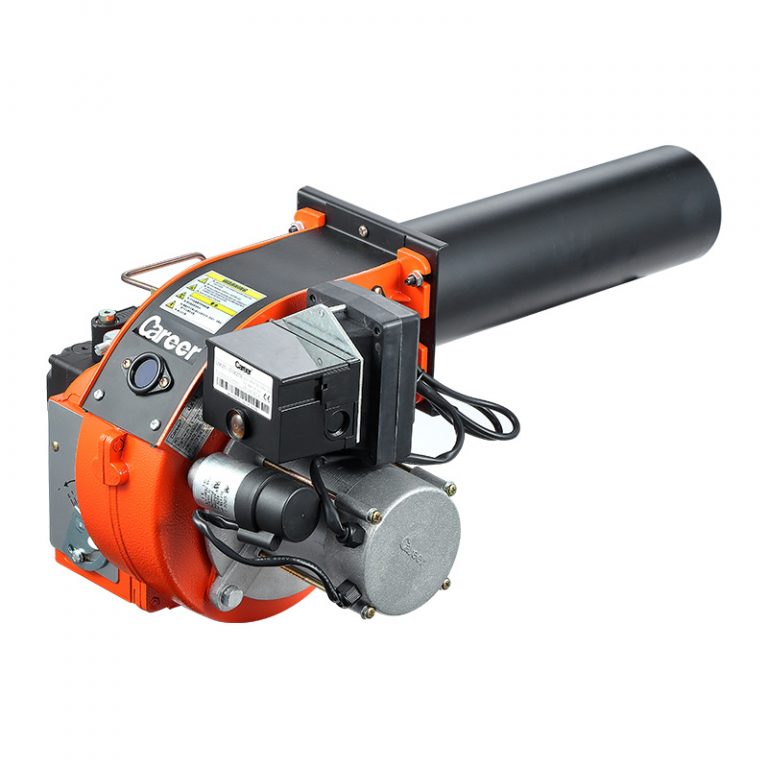
Factories and workshops around towns often wrestle with uneven heat, frequent shutdowns, and rising fuel bills — the immediate culprit is usually old combustion equipment rather than raw fuel price alone. Upgrading or replacing with a modern diesel fuel burner can fix core problems: steady flame control, faster ramp-up, and much cleaner combustion. That’s a problem-driven fix: stop losing hours and raw material to inconsistent heat.
Why older burners fail production targets
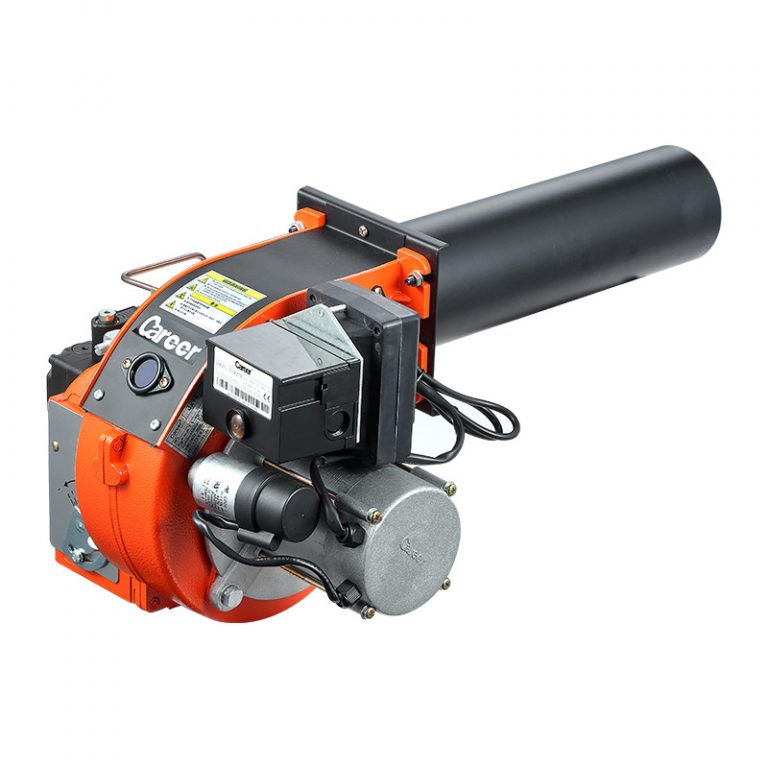
Older oil burners lose control accuracy and throw soot into heat exchangers. That builds scale, reduces transfer efficiency, and forces more frequent mechanical cleaning — every intervention costs production. Other common faults are poor atomization of fuel, limited turndown ratio (so boilers either run near full tilt or cycle on/off), and lack of safety interlocks that modern systems offer. These are not abstract issues; they show up as brittle product quality and inflated maintenance rosters.
Where energy efficient burners actually change outcomes
Plants that switch to well-designed energy efficient burners see measurable drops in fuel consumption and emissions because the burners use finer fuel spray, tighter air–fuel control, and better insulation integration. The shift is consistent with moves across regulated markets — for example, after the EU tightened ecodesign requirements, many industrial sites recorded clearer heat control and lower fuel use — and the same principles apply elsewhere when you choose proper units like energy efficient burners. Field engineers and production managers report quicker warm-up cycles and less downtime when control and combustion are improved, so you get higher throughput without changing process recipes.
How to pick the right setup for your shop
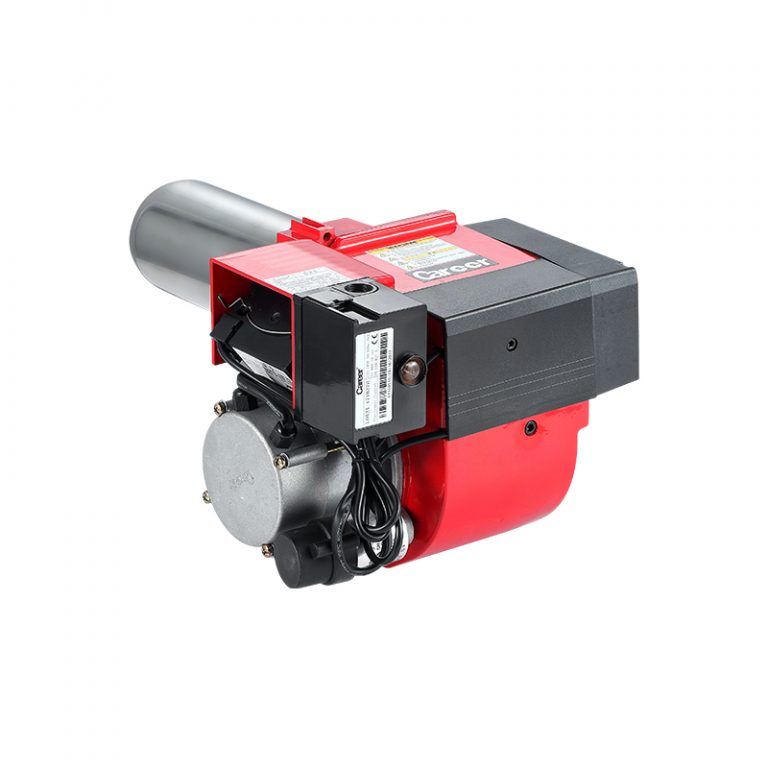
Match burner capacity to steady-state demand, not just peak load. Look for good turndown (ability to run efficiently at lower output), reliable modulating control, and simple access for routine servicing. Avoid oversizing: a big burner that cycles wastes fuel and shortens component life. Consider the fuel type and storage constraints; some sites prefer diesel for easy storage, others move to light oil systems for cost. Compare manufacturer support, local parts availability, and compatibility with your existing boiler or furnace chamber.
Common mistakes during installation and operation
Skipping combustion tuning is the top error. Installations must include a proper flue draft setup and a combustion analysis at commissioning. Neglecting routine checks — nozzle condition, pump pressure, and control calibration — lets efficiency erode fast. Another misstep is assuming every “high-efficiency” label delivers the same gains; small differences in nozzle quality and control strategy matter a lot for real-world performance.
What to expect after a thoughtful retrofit
Expect steadier product quality, fewer emergency stops, and lower fuel inventory fluctuations. Savings come from reduced fuel use and less labor spent on cleaning and fixes. For local operations looking for compatible components and tested assemblies, options listed by trusted suppliers reflect models that technicians can service locally, which keeps running costs down. Practical choices and sound installation turn a burner upgrade from a capital expense into a reliable production improvement, and resources like Career Burners help match the right unit to your plant without guesswork.