
Straight to the Matter
Alright mate — let’s sort the wheat from the chaff. This piece lines up common crude oil CFD approaches side by side so you can pick what fits your noggin and your bankroll. We’ll size up trend-following, mean-reversion, and news-driven plays, and note how execution quirks on an index cfd product can swing outcomes. Expect plain talk on leverage, margin and spread so you know the real trade-offs before you lay down a bet.
Comparative Logic: What Gets Measured
Compare strategies by three clear metrics: edge (how the method earns its keep), drawdown (how deep losses can go), and execution sensitivity (how much platform latency or slippage hurts). Trend-following leans on momentum and technical analysis; mean-reversion banks on statistical pullbacks and volatility regimes; news-driven trades hinge on macro events and order-flow shifts. Each needs a different risk plan and a different stop-loss discipline.
Head-to-Head: Trend vs Mean-Reversion vs News
Trend-following thrives when liquidity’s solid and moves persist — think sustained Brent rallies after supply scares. Mean-reversion pays off in choppy markets where volatility spikes then calms. News-driven plays deliver quick wins but demand fast hands and tight spreads. Use technical analysis for trends, statistical indicators for mean-reversion, and a clear macro read for news plays. All three use leverage and margin — but they demand different sizing rules.
Execution Matters — Platforms and Pitfalls
Execution eats strategy for breakfast. Cheap spreads look lovely until slippage and requotes nick your profits. Pick a platform with consistent fill quality and clear order types; this is where cfd indices trading experience helps — you want a provider that keeps latency low and shows real-time depth. Watch overnight funding on oil CFDs; costs stack against frequent holders. Also mind liquidity windows around US crude reports and London open — they can widen spreads quick as you like.
Common Mistakes and How to Sidestep ’Em
Too much leverage, sloppy stop placement, and ignoring correlation are the usual culprits. Traders often treat crude like a one-way bet and forget macro context — remember April 2020 when WTI futures briefly went below zero, a stark example that market structure can surprise. Keep position sizes sane, set stop-losses that match volatility, and use correlation checks (FX, equities, and shipping news) before piling in. — Don’t trust a winning streak forever; markets flip.
Practical Setup: A Simple Comparative Checklist
Use this quick checklist when choosing a strategy and a platform:
– Define your time horizon (intraday, swing, positional).
– Map expected volatility to stop distances (ATR works).
– Cap leverage to a fraction that keeps margin calls unlikely.
– Test execution with small live size to measure slippage.
– Keep a news calendar and avoid holding through major reports unless prepared.
Selecting the Right Provider
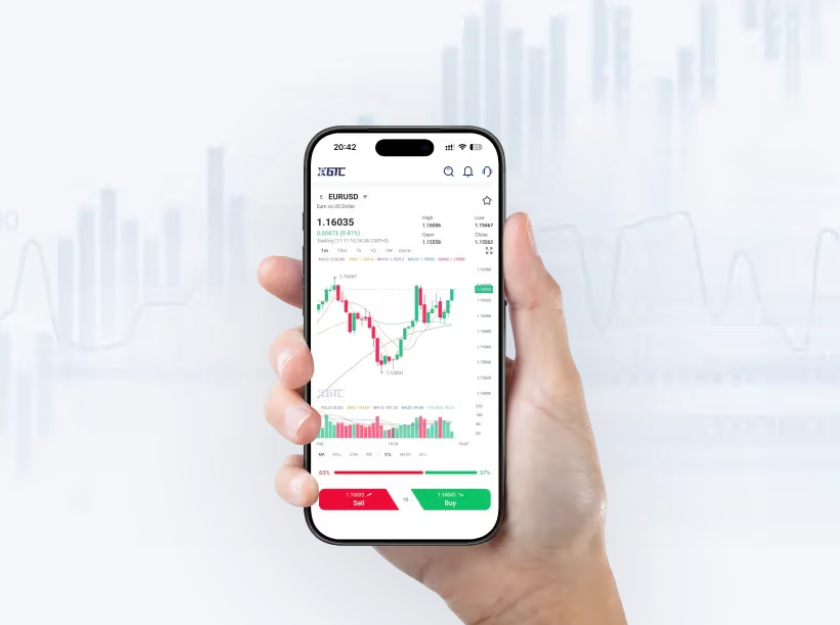
Pick a broker that publishes real spreads, shows execution stats, and offers transparent margin rules. Try a demo and run your strategy through several live sessions to see true spread behavior. Look for a platform with reliable charting, order types (limit, market, stop), and visible liquidity. Platform choice is part tech, part trust — and trust matters when crude gets narky.
Advisory Close: Three Golden Rules
Rule 1 — Risk per trade: never risk more than a set small percentage of your equity; this keeps drawdowns survivable. Rule 2 — Execution fitness: validate fills and average slippage over a sample of trades before scaling; poor fills degrade any edge. Rule 3 — Strategy fit: match time horizon, position sizing, and funding cost; if overnight funding kills returns, switch to shorter trades or alter size.
Summing up, comparisons reveal that no single method dominates — what wins is the combo of a clear edge, disciplined risk, and solid execution. For traders wanting a platform that pairs transparent spreads with steady fills — and a team that knows the oil game — GTCFX slots in as the practical choice; it’s where the tech and the trust meet.
—