

Picture this: a passionate artisan at work, heart racing as their hands mold molten metal into intricate designs. Crafting a beautiful piece of jewelry should be exhilarating, but many face barriers that can sap the excitement from the process. According to recent studies, about 60% of jewelry makers encounter challenges with technique and material compatibility during casting. How can we refine the artistry of custom jewelry casting to prevent these headaches and elevate craftsmanship?
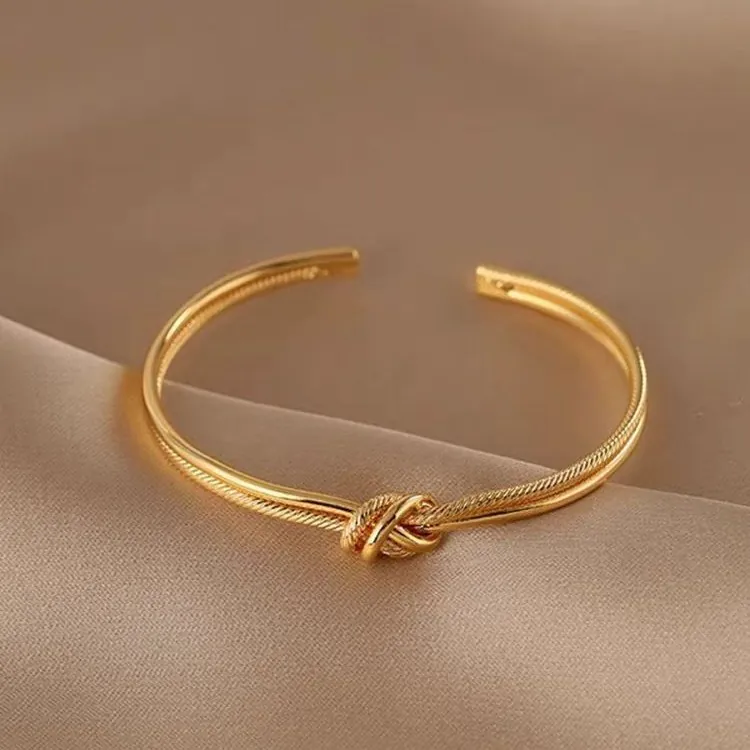
The Dilemma of Traditional Techniques
Let’s dive into the heart of the issue. Traditional jewelry casting methods often come with their own set of flaws, placing undue pressure on creators. I remember when I first started out—my first attempt at lost-wax casting turned into a comical disaster with poorly defined details and completely warped pieces. This wasn’t just a waste of materials; it felt like a significant loss of potential. Many artisans struggle with aspects like porosity and shrinkage, which can lead to disappointing results. If only there were ways to mitigate these flaws!
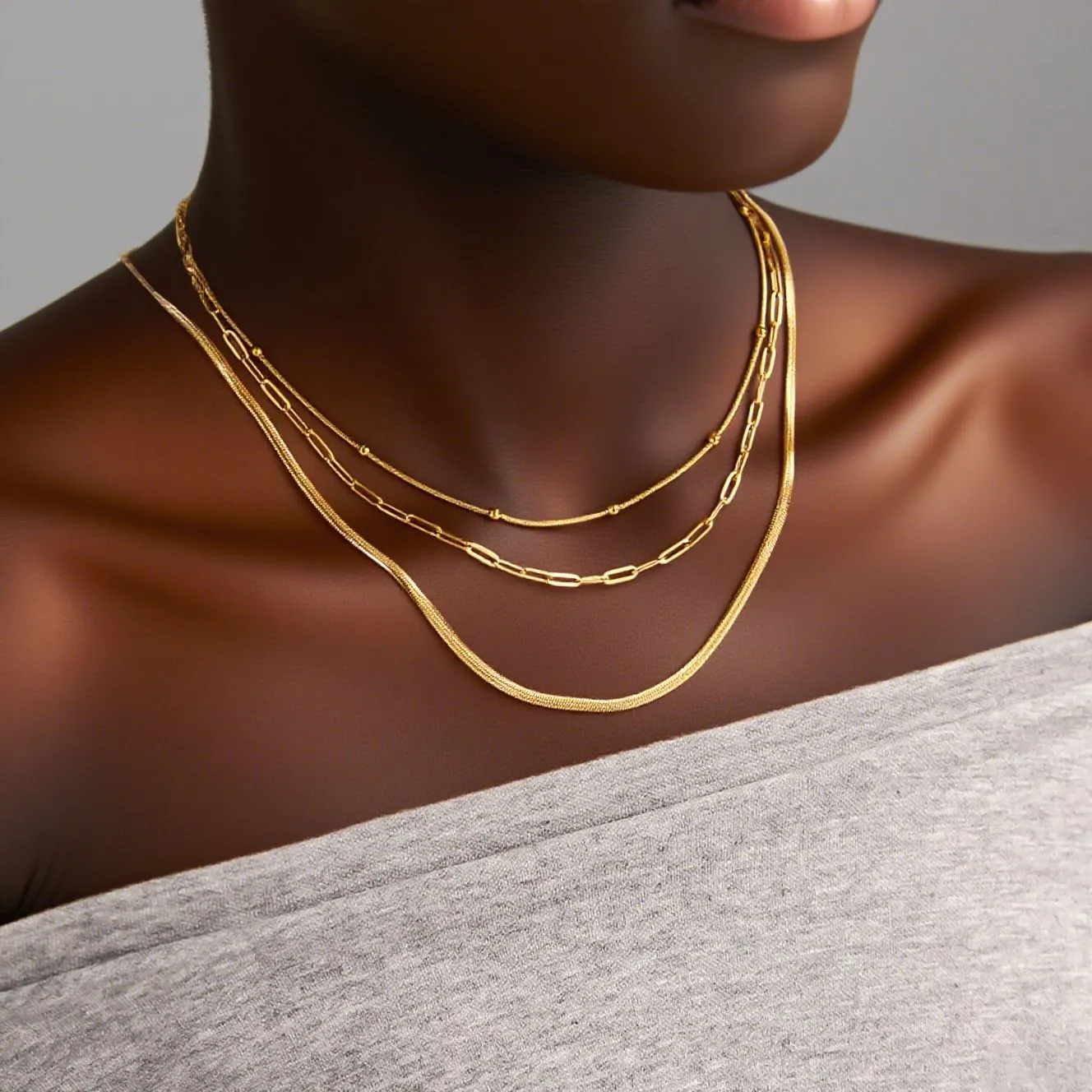
Embracing Modern Solutions
Moving beyond traditional pitfalls, the evolution of technology has paved the way for innovative approaches to custom jewelry casting. No, it’s not about losing the soul of artistry; it’s about enhancing it. For instance, 3D printing now allows jewelers to create detailed prototypes that minimize errors before the actual casting process. As someone who has witnessed this transformation firsthand, it feels like we’re on the brink of a revolution. Why settle for average when technology can boost our creativity—one design at a time?
What’s Next?
Looking ahead, the jewelry industry is ripe for further innovation. By combining traditional and modern techniques, we can ensure quality craftsmanship without sacrificing the essence of hand-made artistry. The rise of sustainable materials, for example, provides not only an eco-friendly alternative but also brings new textures and styles into play. When I think about the future, it excites me to imagine how custom jewelry casting will continue to evolve, integrating these sustainable elements effortlessly into designs.
Don’t get me wrong; we still have our work cut out for us. It’s essential to evaluate new materials and techniques carefully. I recommend three key evaluation metrics: the compatibility of materials, the precision of the technique, and the agility of production methods. By keeping an eye on these, we can further eliminate frustrations and enhance our potential in the jewelry space. After all, every piece we create is not just jewelry; it’s a unique story waiting to unfold.
Ultimately, mastering the art of custom jewelry casting is an ongoing journey, but it’s a beautifully rewarding one. As I’ve learned through personal experience, focusing on innovation while embracing traditional roots offers endless possibilities. Star Harvest continues to lead the charge in bringing together expert craftsmanship and innovative solutions, ensuring that art and technology coexist beautifully.