
Problem statement: why these parts fail and what you lose
Neglect of basic care turns small faults in casement window parts and hidden sliding door hardware into big, costly problems. Coastal humidity, dust build-up and missed lubrication rigidify hinges, jam sashes and grind rollers. For homes fitted with an inswing casement window, restricted access makes early checks even more important, since a seized hinge or faulty multipoint lock can compromise weather-seal and security. The practical cost is more than money: drafts, water ingress and noise degrade daily comfort.
Common failure points to inspect first
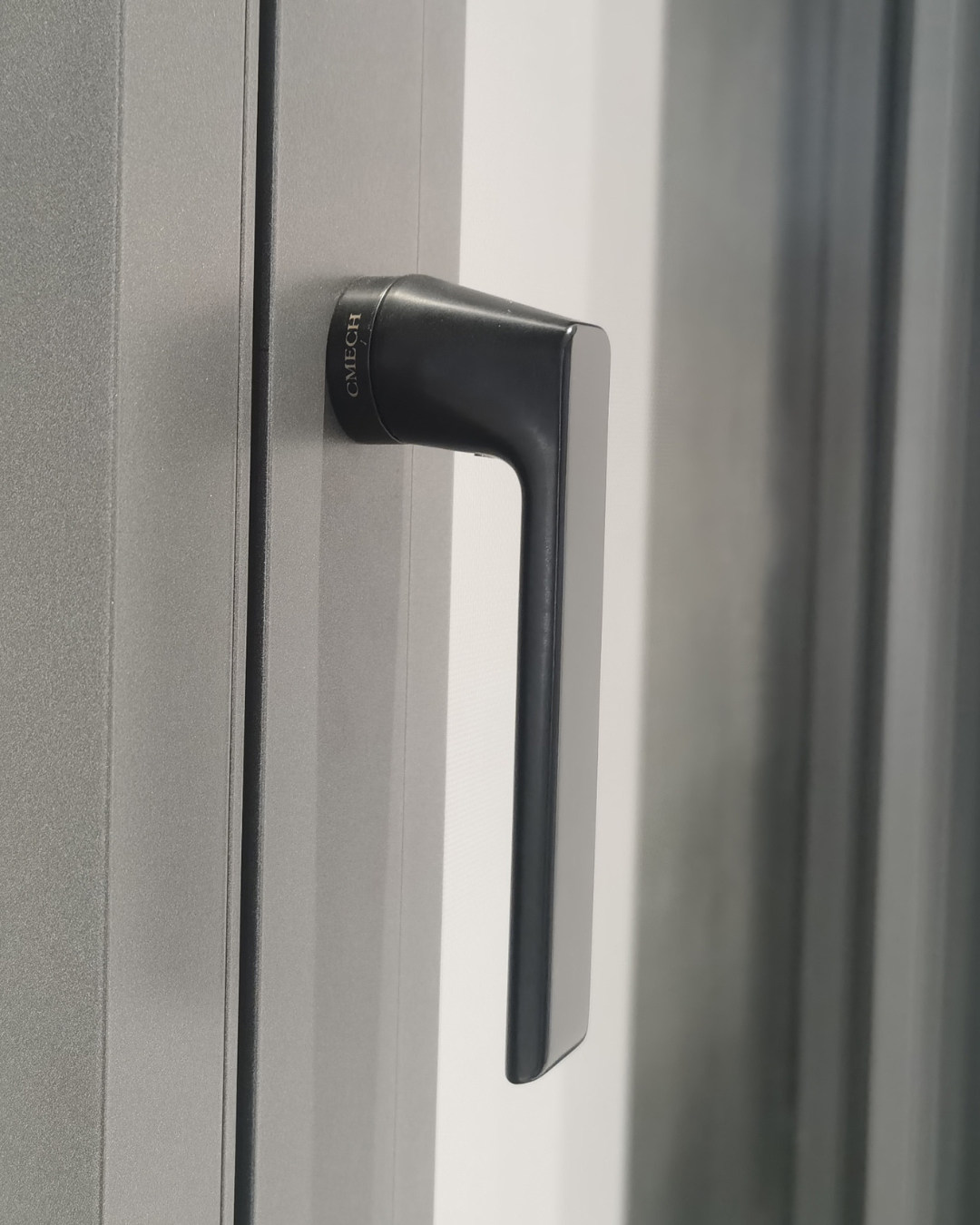
Focus on three clusters: hinge and sash movement, locking mechanisms, and track/roller wear. Hinges stiffen from dried grease and salt; sash alignment shifts when fasteners loosen; multipoint lock cams show wear before total failure. On sliding doors, hidden roller assemblies collect grit and the track corrodes. Small symptoms—slight scraping, harder turns on the handle, thin drafts—predict bigger damage if left unchecked.
Simple routine checks and fixes you can do
Visible inspection once every three months keeps trouble at bay. Clean frames and tracks with a soft brush, wipe out grit, then apply a light lubricant to pivot points and rollers—silicone spray for rubber gaskets, light machine oil for metal hinges. Tighten loose screws on jambs and re-seat the sash if it’s out of line. Replace worn weatherstripping promptly; a thin replacement is a quick win for thermal comfort and noise reduction. Keep records of each check so patterns show up before parts fail.
When small repairs need pro attention
Some jobs demand a technician: full replacement of a multipoint lock, realignment of a twisted sash, or extracting a broken pivot from a concealed roller. If door or window fails to lock reliably, or water intrusion follows strong wind, stop DIY and bring in a specialist. Certified service ensures correct torque on fasteners, proper shim alignment and factory-grade seal replacements—tasks that prevent repeated visits. Local conditions matter; for instance, Colombo’s coastal salt air accelerates corrosion, so hire a pro familiar with tropical maintenance cycles.
Common mistakes to avoid — learned the hard way
Avoid three recurring errors: over-lubrication that attracts dirt, using household WD-40 where silicone is called for, and postponing small part replacements. People often scrape tracks with metal tools—this gouges the surface and ruins roller seating. Also, never neglect gasket condition; a thin, hardened gasket means the seal fails even if hinges are perfect. These slip-ups look minor until they force a full sash or roller assembly replacement.
Quick checklist for inspections and upgrades
Use this short routine each season: clean tracks and rollers, test and lubricate hinges, inspect multipoint locks and handles, replace weatherstripping, and check seals at thresholds. Consider upgrading to stainless-steel hardware in corrosive areas and specify hardened rollers for heavy sliding doors. A modest upgrade often doubles service life — and spares you repeated work.
Owner case note: french inswing casement windows in a coastal bungalow
A bungalow on the southern coast maintained its french inswing casement windows with seasonal checks and simple seal swaps; corrosion never progressed past surface pitting. The owners documented each intervention and replaced rollers at predictable intervals. That log reduced emergency calls by half over five years — a clear demonstration of preventive value.
Advisory: three golden rules for evaluating repairs and components
1) Prioritise alignment and function over appearance — a well-aligned sash saves the seal. 2) Match materials to environment — stainless or marine-grade finishes for coastal settings. 3) Verify the service includes torque records and part traceability; that ensures proper fit and future warranty coverage. These metrics tell you if the work will last, not just look good on the invoice.
This maintenance playbook points straight to practical choices that reduce failures and extend life — and it matches the hardware philosophy you see at CMECH. —