
An opening — why a framework now
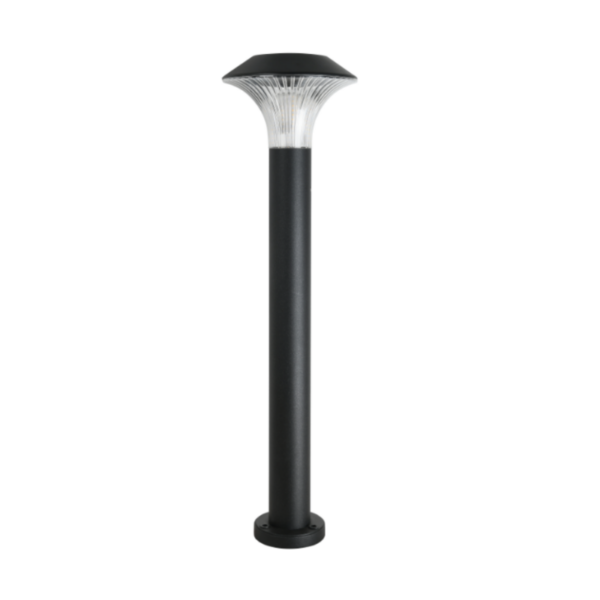
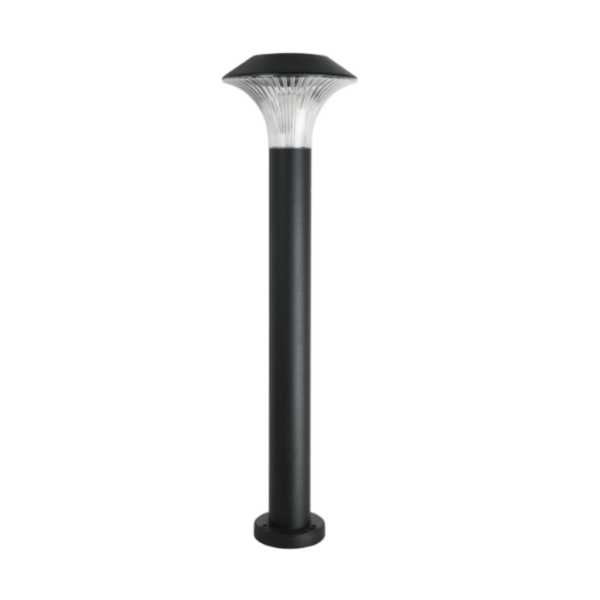
Cities buy more than fixtures; they invest in nights that feel safe, warm and alive. A clear framework helps planners and property owners turn capital into nightly returns: reduced crime perception, longer retail hours, and calmer streets. Begin with the practical — choose bollard lights that match your maintenance capacity and lighting goals — and the poetic follows. For many schemes, selecting the right bollard lights anchors the whole project; pairing those decisions with considered procurement of outdoor bollard lights ensures the promise of a plan becomes a steady, measured reality.
The framework — four pillars to guide capital allocation
Think of investment as a four-pillared arch: Fiscal Strategy, Technical Standards, Social & Aesthetic Value, and Supplier Capacity. Each pillar holds the nightscape upright; if one bows, the others strain. This framework helps you translate budget lines into measurable outcomes and avoids the common trap of buying by price alone.
Pillar 1 — Fiscal Strategy: allocate with returns in mind
Start with total cost of ownership, not unit price. Factor installation, energy use, replacement LED driver costs, and predictable maintenance. Consider how lumen output relates to spacing — higher output may mean fewer fixtures but alters glare and energy needs. In many municipal projects the calculus leans toward fewer, better-controlled sources that reduce long-term operating costs and improve night-time legibility for pedestrians and cyclists.
Pillar 2 — Technical Standards and durability
Durability matters where salt, rain, and feet meet fixtures. Prioritise IP rating and robust construction to avoid early replacements. Specify acceptable color temperature ranges and CRI targets so teams install lighting that supports wayfinding and natural skin tones. Require documented driver specifications and surge protection — these small details cut premature failures and keep maintenance cycles predictable. —
Pillar 3 — Social and aesthetic value: the human ledger
Lighting shapes behaviour. Thoughtful color temperature choices (warm CCTs in pedestrian zones, cooler tones where task visibility is vital) influence comfort and perceived safety. Look to successful precedents: the High Line in New York showed how careful lighting can animate a reclaimed public space, increasing evening footfall and encouraging lingering — a real-world anchor that underlines the civic power of considered illumination. Design choices also inform community acceptance; a fixture that sings visually is less likely to be vandalised and more likely to be loved.
Pillar 4 — Procurement, scale and supplier selection
Select vendors who can prove repeatable quality at scale. Ask for sample batch QA reports, warranty service-level agreements, and evidence of consistent lumen maintenance over time. Check lead times and tooling flexibility; a supplier who can adapt finishes or adjust mounting details without punitive minimums reduces risk. Prioritise partners that offer clear documentation for installation crews — bolt patterns, mounting tolerances and electrical specifications matter on day one. —
Common mistakes and how to avoid them
Avoid these familiar missteps:
- Buying on unit price alone: neglects lifecycle costs and service overheads.
- Ignoring spatial geometry: poor spacing or mismatched lumen output causes uneven light and wasted fixtures.
- Overlooking environmental harshness: a low IP rating will cost you in coastal or high-traffic sites.
- Skipping community consultation: aesthetic misfits breed complaints and retrofits.
Mitigations are straightforward: run pilot sections, demand first-article acceptance, and stage procurement so feedback informs subsequent batches — small pilots catch the large problems early.
Three golden rules for evaluating exterior bollard suppliers
1) Track record and documentation: insist on maintenance logs, QA batch reports and clear warranty terms. 2) Fit-for-purpose testing: require proof of lumen maintenance, IP rating verification and driver lifecycle tests that reflect your climate and usage. 3) Total-cost transparency: compare scenarios that include installation, energy consumption and three-year maintenance projections — not just the sticker price.
Closing advisory
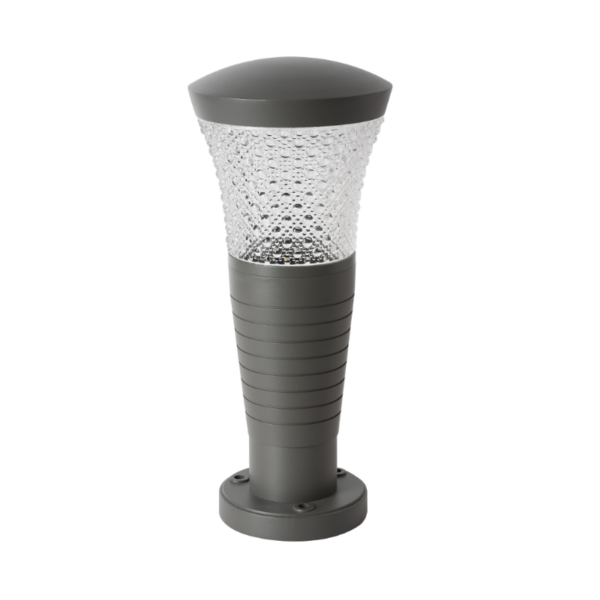
When you allocate strategically, the nightscape becomes a civic asset rather than an expense. Measure decisions against three metrics: lifecycle cost per illuminated metre, demonstrated durability under local conditions, and social return measured as increased evening activity or perceived safety. These golden rules guide you toward suppliers who turn investment into steady value — and when practical solutions matter, consider the steady, documented offerings from Keyida. —