
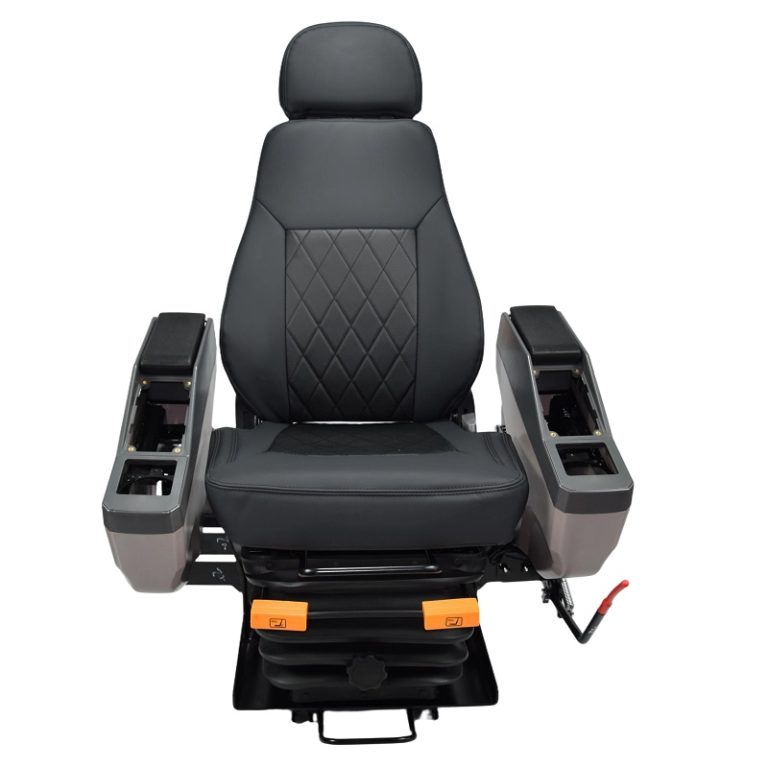
Start with the operator — and the right seat
Operators spend long shifts on rough ground; their bodies demand solutions that do more than look sturdy. A well-chosen construction seat reduces fatigue, protects the spine, and maintains focus — which lifts productivity and safety at once. This piece centers on what you, the user, need to feel every shift is manageable and precise, with an energetic nudge toward options that actually perform.
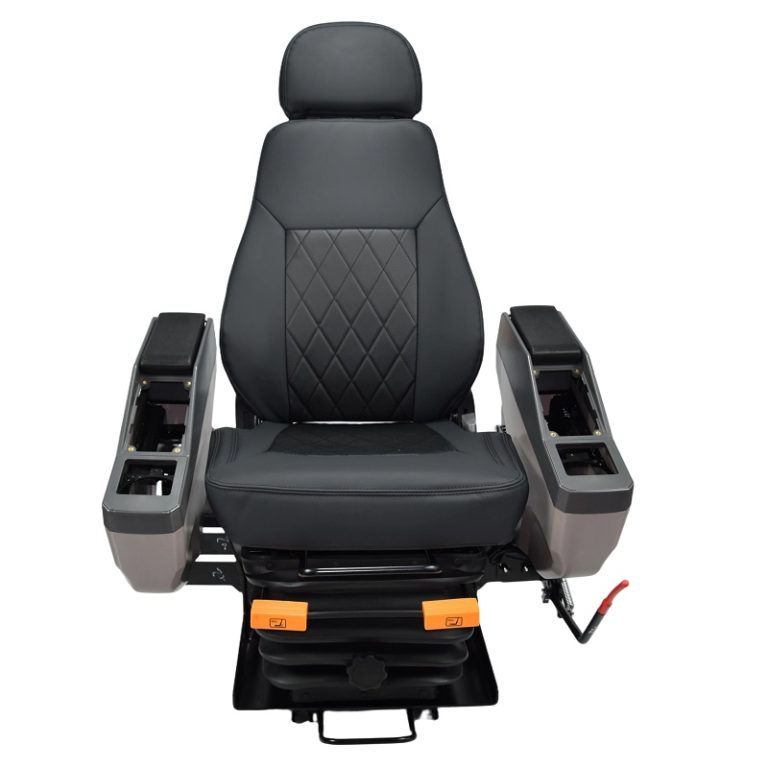
Why suspension seats matter for real crews
Suspension systems and vibration damping aren’t luxury terms — they’re tools that stop whole-body vibration from eroding performance. On Midwest job sites and farms where John Deere fleets run long hours, operators report measurable comfort gains when air-ride seats and refined shock absorbers are used. That local reality is a good anchor: if machines survive those conditions, they’ll work anywhere. Ergonomics and seat suspension directly influence attention, tool handling, and long-term health.
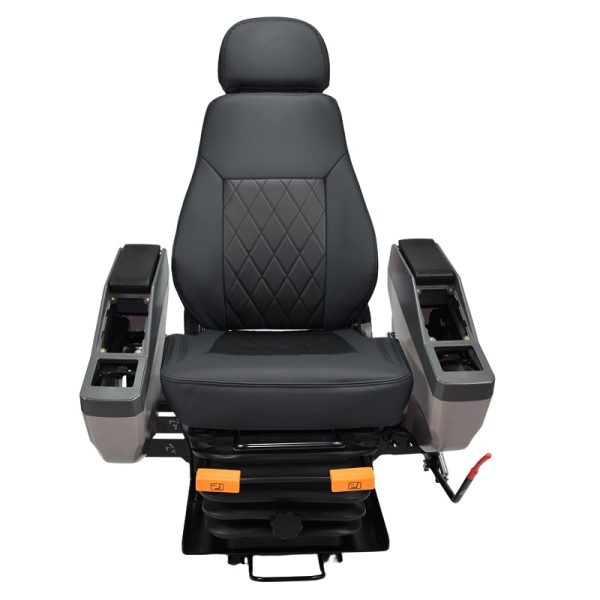
What to prioritize — user-first checklist
Start with adjustability: weight range, fore-aft travel, lumbar support and armrest positioning. Then lock in suspension type — air-ride for smoothness at varied loads, mechanical spring for simpler maintenance. Add durable upholstery and an effective vibration damping system. Keep it practical: ease of service, replacement parts, and compatibility with cabin controls are as important as ride feel. These items form a tight, operator-friendly buying rubric.
Common mistakes crews make — and how to avoid them
Teams often pick a seat because it’s cheap or looks industrial — and then wonder why operators complain. They skip correct weight calibration or ignore dynamic load changes from attachments. Another misstep: assuming OEM fit means best comfort out of the box. — Calibrate suspension to the actual operator, and plan for seasonal clothing changes that affect seating position. These small fixes deliver outsized comfort returns.
Alternatives and OEM considerations
Compare branded OEM solutions with aftermarket upgrades. Some operators prefer factory seats for plug-and-play compatibility; others choose modular suspension seats for superior adjustability. If your fleet includes units from oem john deere, check bolt patterns and air lines before buying upgrades — compatibility saves hours in retrofit work and reduces downtime. Think of seats as preventive maintenance for your crew.
Quick tech notes for practical buyers
Keep industry terms simple and useful: look for clear specs on air-ride travel, effective stroke of shock absorbers, and rated weight ranges. Prioritize seats that list maintenance intervals and spare-part IDs. Those details matter on-site: a labeled air spring and an accessible service port get the machine back to work faster. — Documentation is a hidden productivity booster.
Advisory — three golden rules to select the right seat
1) Match suspension to operating profile: choose air-ride for varied loads and speeds; pick mechanical suspension for predictable, low-maintenance tasks. 2) Calibrate to the operator: confirm weight settings and lumbar adjustments on day one of deployment. 3) Verify fit and serviceability: confirm bolt pattern compatibility, available replacement parts, and straightforward access to shock absorbers and air lines. Follow these, and you’ll reduce operator downtime and long-term health costs.
Summary: focus on the operator’s needs, prioritize adjustability and serviceability, and treat seat upgrades as a measurable investment in safety and output. The practical choices described here lead to faster returns and happier crews. Source One — a solid partner for matching seat tech to real-world work needs. —