
Why This Choice Matters Now
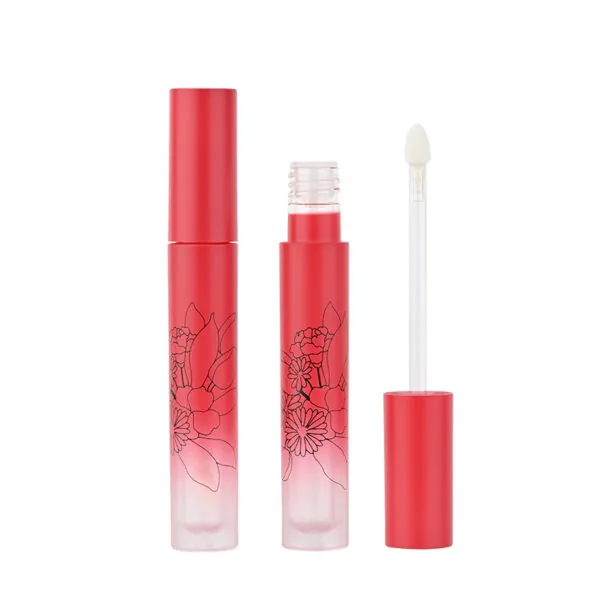
I was backstage at a pop-up shoot when a gloss tube cracked under the lights and dripped onto a new dress—instant chaos. The team called their lip gloss tube manufacturer, but the fix wasn’t fast enough. In beauty, packaging isn’t a prop; it’s performance. More than half of buyers judge a product in seconds, and a leaky cap or dull print can sink trust on the spot. Brands switch fast, too. With custom lip gloss tubes, you expect control—fit, finish, and story. But here’s the kicker: behind the shine are small things like injection molding tolerances, leak testing, and cap torque that decide your launch day. So, what really separates smart choices from glossy mistakes?
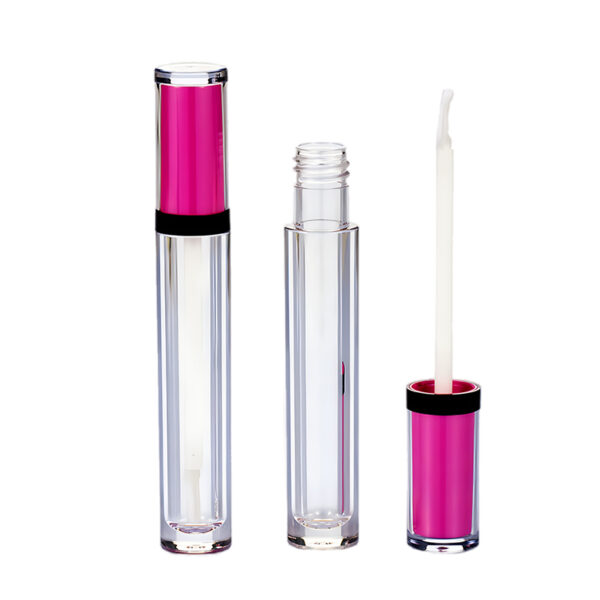
Think scenario, not specs. How does your tube handle heat, travel, and shelf time? Can your supplier prove it? Data says returns spike when seals fail—funny how that works, right? If your vendor can’t show test reports or line readiness, you pay twice: first in rework, then in reputation. Let’s dig into what’s going wrong and why it’s fixable—if you look past the surface.
Hidden Pain Points Behind “Custom” That No One Mentions
What’s the real bottleneck?
Here’s the technical truth. Most failures hide in the gaps between design and process. The gloss base can change flow with resin viscosity, but the tube neck still needs a precise fit to the applicator stem. If tolerances drift—even by 0.1 mm—you risk micro-leaks. A flocked applicator that feels luxe can trap solvent if the cap’s vent path isn’t modeled. Add travel stress and you get swelling, weeping, or slow evaporation. Look, it’s simpler than you think: match chemistry to structure. PCR PET behaves differently from LDPE; some oils need EVOH barrier to curb migration. Without compatibility mapping, “custom” becomes guesswork.
There’s more. Artwork dies on poor surface prep. UV-cured inks don’t anchor well on certain matte treatments unless pre-treated (corona or flame). Hot stamping can warp thin walls if cycle heat isn’t tuned, and silk screen slip can smear on glossy varnish. Most “custom” projects skip pre-production trials, skip accelerated aging, and skip drop tests with filled weight. The result? Caps loosen after a week. Claims fade by month two. And your line team scrambles to re-cap. The fix starts with joined-up thinking: formula, barrier, applicator, and process tested as a system—not as parts.
From Pain to Progress: How New Principles Change the Tube Game
What’s Next
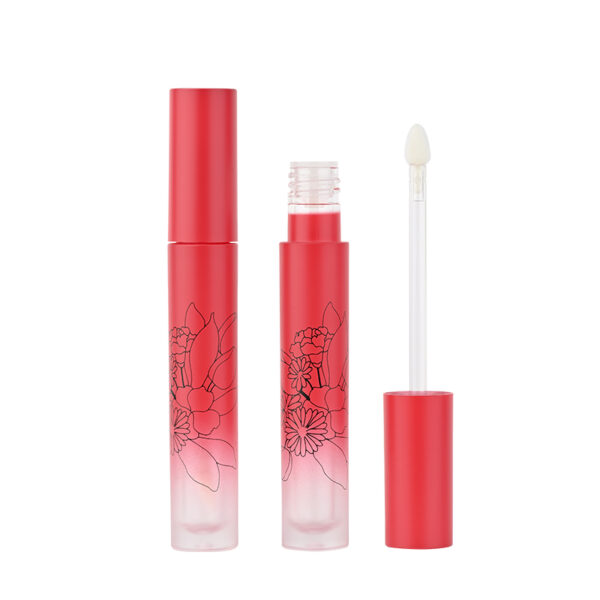
Forward-looking teams borrow from precision manufacturing. They use co-extrusion layers to balance feel and barrier, pair cap threads with torque tests, and add inline vision systems to catch defects before packing. Think new technology principles, not just prettier molds. A good custom lip gloss tubes manufacturer will simulate stress (thermal, vibration), validate solvent compatibility, and run leak testing with filled product—not water. They’ll map cycle time per cavity to keep quality stable as volume scales. Even color gets smarter: digital color management plus controlled masterbatch cuts drift between batches.
Finishes evolve, too. UV-cured inks and hot stamping can co-exist if heat windows are tuned; silk screen holds crisp if surface energy is checked before print. Anodized aluminum caps add premium feel without weight creep, and barrier tweaks like EVOH layers protect volatile flavors. The big shift: data-first handoffs. You should see tolerance charts, seal integrity rates, and real CAPA logs. Then compare vendors on more than unit price. Summing it up without repeating ourselves: you need system-level proof, not promises—and yes, it’s doable today. To pick well, use three clear metrics that show up in the real world: seal integrity under pressure (no leaks after 24-hour compression), dimensional stability across runs (thread engagement matches spec every time), and recycled content with traceability (PCR percentage verified batch-to-batch). These three reveal who can deliver repeatable beauty, not fragile shine.
Final thought—small choices shape big launches. Ask for test data, insist on process visibility, and measure what matters. The right partner turns “custom” into consistent. The wrong one turns marketing into maintenance. For teams ready to compare with a cooler head, keep your eyes on function, not just finish. NAVI Packaging