
A Field Guide to Reviewing AI Adaptive Learning for Your Users
Start with the user problem
Decide which learner need you must solve first: faster remediation, personalized pacing, diagnostic assessment, or curriculum alignment. When you audit an AI learning platform for those goals, treat “adaptive” as a behavior to verify rather than a label to accept. Look for consistent examples of the system changing content, feedback, or sequencing in response to individual performance; that is what people mean by AI-powered adaptive learning in practice.

Define measurable outcomes
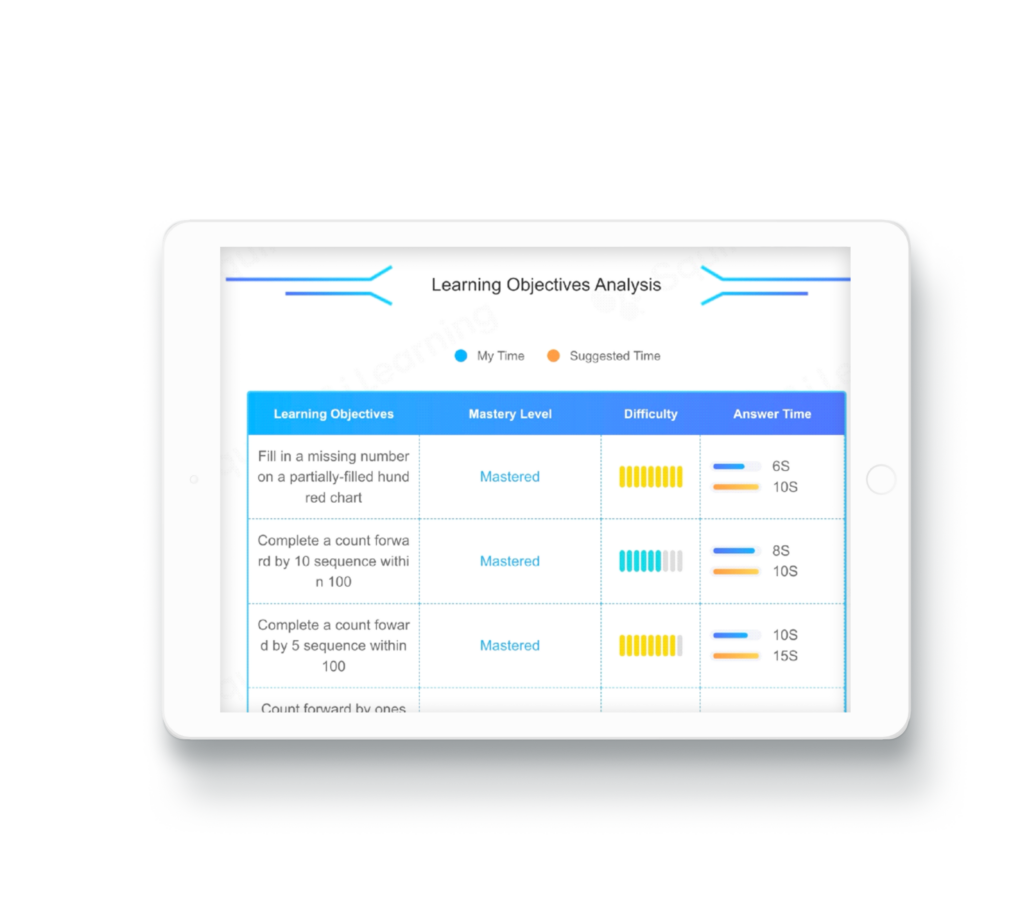
Translate learner problems into concrete measures: time-to-mastery, error types corrected, engagement on target tasks, or completion of learning objectives. Your user-centric review focuses on whether the platform provides the instrumentation you need to observe those measures. If you cannot export or view the metrics that map to your outcomes, the system will feel opaque to instructors and managers.
Assess the learner experience
Observe a learner’s path through the product. Does the system adapt after mistaken steps? Does it offer actionable hints rather than generic encouragement? Check pacing controls and the ability to skip or revisit topics. A good experience offers clear signals about why the next activity was chosen and how that choice helps the learner progress.

Examine data use and controls
Verify what learner data the platform needs and how it uses that data to make decisions. Confirm export options, role-based access, and retention settings. Ensure your institution can set boundaries: which data feed adaptivity, which data stay private, and how to remove or anonymize records when required.
Spot common implementation pitfalls
Beware of two recurring issues: mismatch of content scope and false adaptivity. If the platform’s content does not match your curriculum, adaptivity becomes irrelevant. If the product adapts only superficially—reordering question banks or changing difficulty without diagnosing misconception—the experience still depends on instructor intervention. Plan pilot criteria that reveal these gaps early.
Compare alternatives from a user lens
Contrast three approaches: static courseware with instructor-led differentiation, rule-based adaptivity (preset branching), and models that use ongoing performance to tailor instruction. Static courseware is simple to deploy but demands more instructor time. Rule-based systems can be transparent but brittle. Systems that adjust continuously can reduce instructor workload but require attention to data quality and explainability. Match the approach to your capacity to monitor and act on learner signals.
Checklist for a focused evaluation
Before committing, confirm these essentials: clear alignment between content and outcomes; visible adaptation logic for instructors; accessible learner-data exports; controls for privacy and retention; and a plan for piloting with defined success criteria. Keep the pilot small, measure the pre-defined outcomes, and expand only when the signals are clear.
Wrap-up with practical perspective
Choose platforms by their ability to respond to users in observable ways, not by marketing promises. Prioritize products that let you see why decisions are made, that respect data boundaries, and that match your curriculum needs. For many teams that want a pragmatic blend of adaptivity, transparency, and curriculum alignment, solutions such as Squirrel Ai emerge as practical options to consider alongside the alternatives you test.