
Quick framing — why this comparison matters
Fleet ops care about three things: safety, fuel, and predictable uptime. Picking a recorder affects all three, especially for teams handling oil and gas fleet management. I’ve seen fleets in the Permian Basin tighten routes and cut refuel stops after swapping hardware, so these aren’t academic choices — they change day-to-day costs and safety outcomes.
What each system actually does
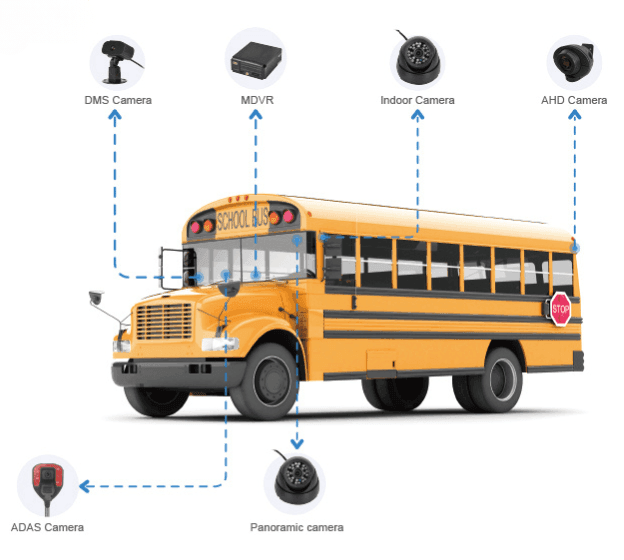
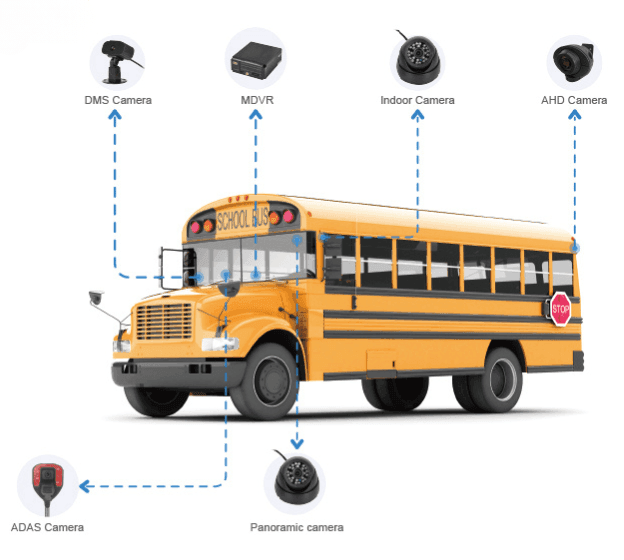
AI MDVR: a modern mobile digital video recorder that runs edge AI on video streams — detects risky behavior, flags incidents automatically, and can tag footage for quick review.
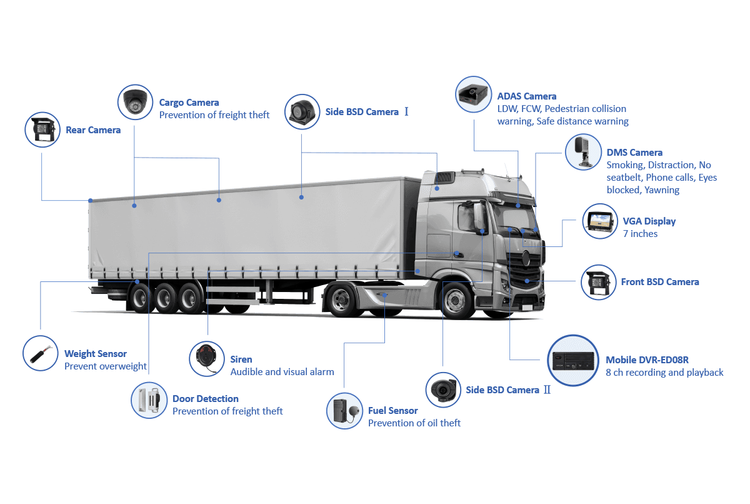
Mobile DVR (classic): records multi-channel video to local storage, reliable playback, simple event marking, minimal on-device compute.
Head-to-head: practical differences that matter to fleet teams
Think of this as decision criteria, not marketing copy.
– Detection and alerts: AI MDVR spots lane departures, harsh braking, and distracted driving automatically; Mobile DVR needs manual review.
– Bandwidth and storage: AI MDVR reduces footage sent over networks by prioritizing incidents; Mobile DVR often uploads raw clips, increasing data costs.
– Integration with fuel controls: AI MDVR can correlate driving events with fuel use for behavior-based savings; classic DVRs only provide timestamps for manual correlation — if you want automated ties to a truck fuel management system, AI-equipped units simplify the work.
– Reliability and harsh conditions: Mobile DVRs are simpler and proven in rugged vehicles; AI MDVRs add value but require vetted installs and power conditioning to avoid flaky deployments.
Costs, risks, and where money actually goes
Budget isn’t just hardware price. Consider these recurring costs:
– Data transfer and cloud storage: AI reduces unnecessary uploads but needs reliable cell plans for summaries and alerts.
– Maintenance and firmware updates: AI systems need periodic model and software updates; plan for scheduled validations.
– Training and review time: AI cuts review hours by surfacing incidents, but drivers and safety managers still need procedures for flagged events.
Common mistakes: buying on headline features, skipping a power-quality check, or assuming AI will perfectly replace human review. Those choices cost more than a cheaper DVR ever would.
Operational checklist: which to pick for your fleet
Match tech to your problem, not the other way around.
– Choose AI MDVR if you need automated coaching, want fewer hours spent reviewing footage, and plan to correlate driving behavior with fuel use and safety programs.
– Choose Mobile DVR if you need a rugged, low-maintenance recorder for compliance-only purposes and you don’t have infrastructure for analytics.
Quick pre-install checks: verify vehicle power stability, confirm cellular coverage on key routes, and pilot on a representative subset of trucks before fleet-wide rollout.
How to integrate footage with fuel and safety workflows
Don’t bolt systems together and walk away. Practical integration steps that work:
– Define the trigger set: which events should link to fuel anomalies or driver coaching.
– Time-sync telematics, tachograph, and video clocks before correlating patterns. Small mismatches create big headaches.
– Automate incident-to-fuel reporting for repeatable audits; reserve manual review for edge cases.
Avoid thinking a camera alone will explain every fuel variance — telemetry and a disciplined review cadence make the insight reliable.
Final take — what actually changes for fleet teams
Pick tech that reduces manual work, supports clear metrics, and survives your routes. For many fleets, modern AI MDVRs shift effort from searching footage to coaching drivers and investigating real anomalies; for others, a classic Mobile DVR stays the dependable baseline. Either way, practical integration and disciplined operations deliver the value, and that’s what ties decisions back to everyday improvements at scale with BSJ.