
Problem statement: what trips buyers up first
Buyers treat performance sheets like guarantees and end up with machines that fail at scale. The real issue is selection under uncertain process variables: shear-sensitive solids, wide-viscosity dispersions, or fast heat release. If you’re ordering a high shear mixer, know the process failure modes first—poor dispersion, seal failure, stuck rotor, and unrepeatable scale-up. Face those problems directly instead of chasing peak RPM numbers.
Why published specs can mislead
Nameplate power, top speed, and throughput figures are necessary but insufficient. Power per volume (kW/m3) and tip speed explain mixing intensity better. Viscosity changes torque nonlinearly; a motor rated for 5 kW at water-like viscosity will stall on a 10,000 cP slurry. Geometry matters: rotor diameter, stator gap, and shear zone length define shear rate, not RPM alone. Measure or estimate your worst-case viscosity and particle load before trusting vendor curves.
Design decisions that actually determine success
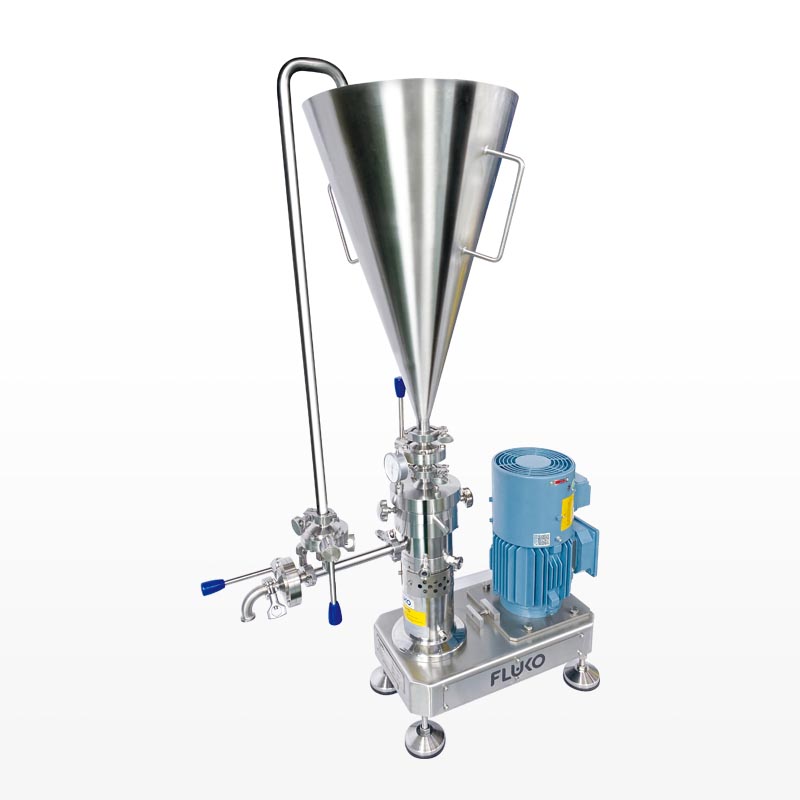
Prioritize these features: robust mechanical seals rated for your solvent and pressure; variable-frequency drive with torque feedback; easily removable rotor-stator assemblies for fast cleaning; materials matched to corrosion and abrasion (316L, Hastelloy where needed). Consider cooling jackets or heat-exchange pipes when exotherms are real. Fit instrumentation—torque sensor, temperature, flow meters—so you can reproduce runs precisely.
Common mistakes buyers make
Picking oversized RPM instead of torque; assuming lab results scale linearly; ignoring serviceability and spare-parts lead time; skipping seal-life calculations; omitting CIP capability when hygiene or cross-contamination matter. Those mistakes cost downtime, not just initial capital.
Practical alternatives and when to pick them
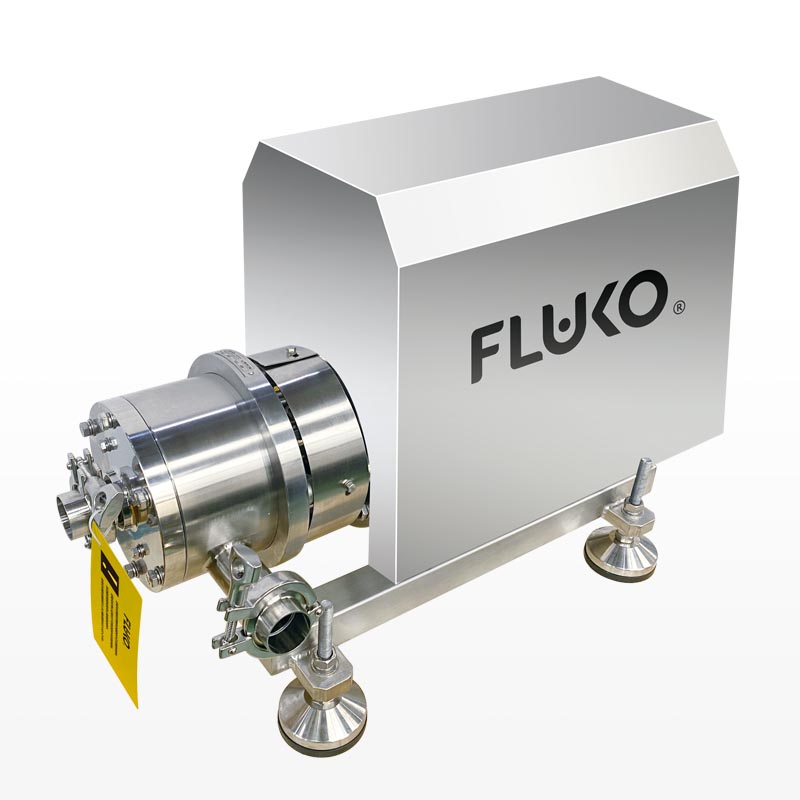
Rotor-stator inline units handle emulsions and fast dispersions with low residence time. High-pressure homogenizers suit submicron emulsions and cell disruption but demand high maintenance and energy. Static mixers are cheap for simple, low-viscosity blends. Ultrasonic units work for fragile particles and narrow volumes. Match the method to shear sensitivity, target particle size, batch size, and allowable downtime.
Procurement checklist for technical buyers
Confirm required kW/m3 at worst-case viscosity; specify tip speed and rotor geometry; demand torque curves across speed and viscosity; list seal type, expected MTBF, and spare-part lead times; require accessibility for CIP and disassembly times; include control and data-logging interfaces; verify ATEX or pressure ratings if needed. Put acceptance tests in the contract: a run with your actual recipe or a validated surrogate.
Field context and sourcing reality
Engineers at events like the ACHEMA trade fair in Frankfurt compare real rigs, not slides, and that’s where specification gaps show. Draw on vendor factory acceptance tests, on-site commissioning logs, and third-party lab trials. For concrete supplier evaluation, consult established chemical mixing equipment manufacturers with documented installations in your sector; ask for references that match your volume and product class. Technical competence and documented field performance are the proof points that matter.
Bottom line: what delivers reliable results
Solve the process problem—control shear, match torque to viscosity, and make maintenance straightforward. Choose equipment that lets you measure and repeat, not just hit a peak RPM number. That practical approach points to manufacturers who back machines with testing, spares, and service—traits visible in suppliers like FLUKO where technical fit and field evidence drive selection rather than marketing alone.