
Opening the problem
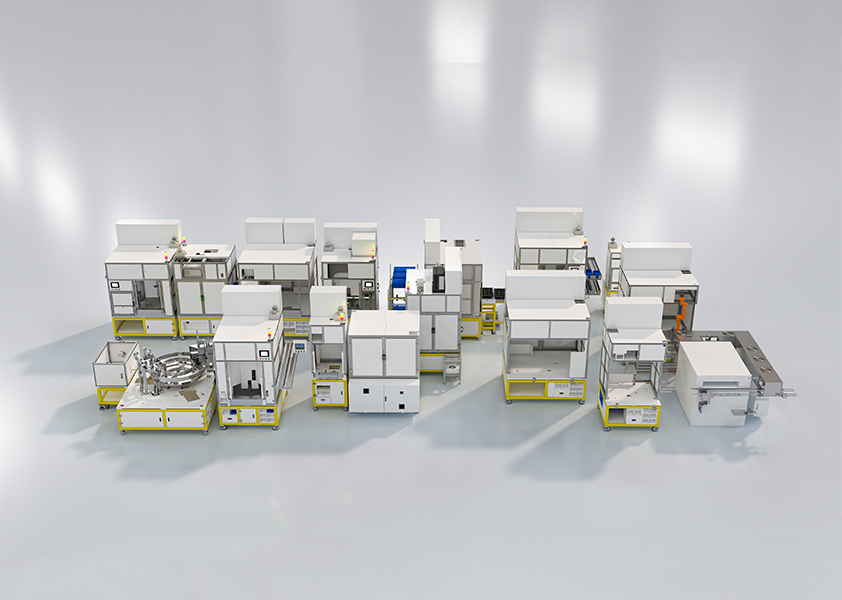
Buyers face the same set of stubborn problems: unclear scope, vendors promising unrealized savings, brittle integration with older lines, and uncertain maintenance costs. If you ask how to navigate those choices for automotive lines, start with how automation actually fits the cell—not the glossy brochure. Practical concerns about throughput, uptime, and skilled staffing drive decisions in real factories doing automotive automation; you’ll see the stakes on Detroit assembly plants and similar production hubs. For deeper technical context on systems and components, review resources that cover automotive manufacturing automation before you commit.
Top problems buyers ask about
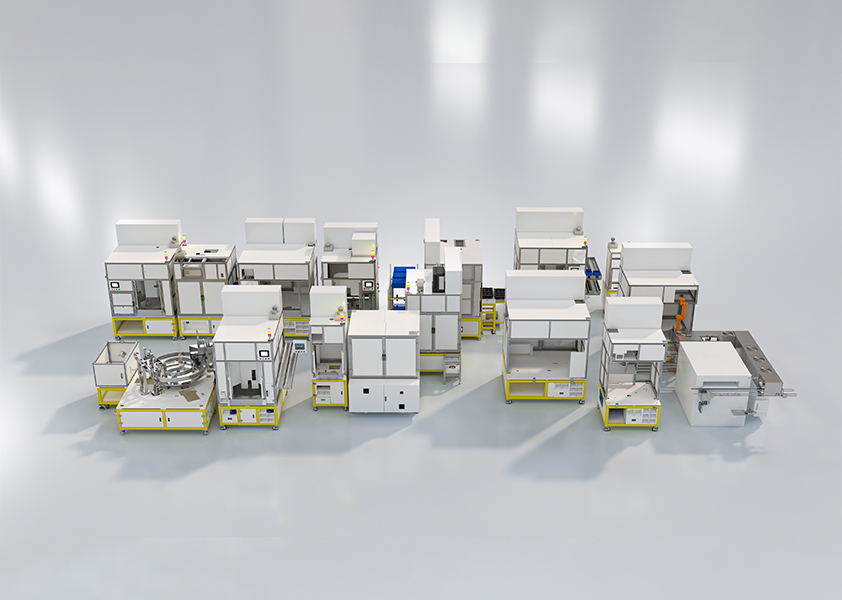
Be precise. The most frequent, solvable questions are:- What measurable outcome must the system deliver? (cycle time, defect rate, uptime)- Can the new equipment blend with PLCs and MES already on the floor?- Who owns troubleshooting after go-live?- How does the vendor prove long-term spare parts availability?Answer these first. If they remain vague, walk away or require firm Service Level Agreements.
How to evaluate vendors rationally
Demand evidence. Look for:- A line trial or acceptance test with your parts, not a canned demo.- References that match your scale and takt time.- Clear documentation of interfaces: signals, data schemas, and shock/strain tolerances.- A transparent spare-parts and firmware update policy.Ask for a simple proof plan: measure two KPIs over four weeks. If a vendor resists measurable proof, that’s a red flag.

Integration with legacy systems
Integration is a technical negotiation, not a procurement checkbox. Map the exact I/O and data exchange points. Decide whether you need edge gateways, protocol translators, or native PLC integration. Prioritize deterministic controls for motion and safety on the cell, and route non-critical telemetry through separate networks. Train one internal engineer to own the data schema. This reduces future finger-pointing between IT and OT.
Cost, ROI, and realistic timelines
Break costs into three buckets: capital, integration (including downtime), and lifecycle (spares, support, software updates). Run a short pilot on a single line to capture real cycle-time improvements before scaling. Expect surprises in commissioning—plan contingency days. Don’t accept vague ROI claims. Use baseline measurements from your line and insist on change-control to lock scope.
Safety and cybersecurity—practical steps
Safety and cybersecurity must be distinct workstreams. For safety, require third-party validation of safety PLC and guards, and document safe state behavior. For cybersecurity, start with network segmentation, strict access controls, and monitored firmware integrity. Apply security patches on a staged schedule tied to validation tests. These are basic defenses; they stop a large share of preventable incidents.
Common pitfalls and how to avoid them
Avoid these recurring errors:- Choosing a solution for feature lists instead of measurable improvement.- Underestimating disruptive commissioning time.- Failing to lock data ownership and update responsibilities.- Assuming vendor roadmaps guarantee backwards compatibility.Prevent them by translating needs into testable acceptance criteria, scheduling pilot runs, and codifying who fixes what after handover.
Alternatives and when they matter
Not every problem needs a full custom cell. Consider:- Retrofit kits for repetitive tasks where motion profiles are stable.- Standardized cobot cells for low-force, high-mix operations.- Full turnkey lines when takt and variability are well-defined and production volume justifies custom engineering.Choose retrofit when change is incremental. Choose turnkey when scale and repeatability eliminate integration risk. Cobot cells are a middle ground when human dexterity and automation both add value.
Decision checklist
Before signing, confirm:- Baseline KPIs measured and agreed.- A validated acceptance test on your parts.- Clear roles for day-one support and five-year maintenance.- Spare parts and firmware policy documented.- A pilot schedule that includes planned downtime and rollback procedures.If any box is unchecked, delay the purchase until the vendor commits in writing.
Closing synthesis
Solve problems by insisting on measurable outcomes, staged proof, and clear responsibilities. That approach reduces surprises and puts technical realities ahead of sales narratives—exactly the method teams at FHS use when advising production managers and engineering leads on practical automation choices.