
Opening: a clear problem to solve
Choosing low-VOC spray paint often feels like solving two opposing problems at once: achieving the finish you want while keeping fumes and environmental impact low. Tradespeople, facility managers and interior decorators frequently ask about compatible adhesives and sealants at the same time, so it helps that a reliable nailfree adhesive supplier can advise on system compatibility for coated surfaces. Start by recognising the specific problem you need the paint to fix—covering corrosion, matching a colour under bright daylight, or reducing odour in occupied spaces—then treat each requirement as a separate decision point.

Problem: unclear labelling and exaggerated claims
Manufacturers vary in how they label VOC content and compliance. Some paints state “low VOC” but don’t list grams per litre (g/L), which is the only useful figure. Demand the g/L value and compare it with local standards. For interior work in Kenyan buildings, target products under 50 g/L for minimal odour and acceptable indoor air quality. If a product lacks a clear safety data sheet, consider that a red flag; move to another brand with full documentation.
Problem: finish, adhesion and primer compatibility
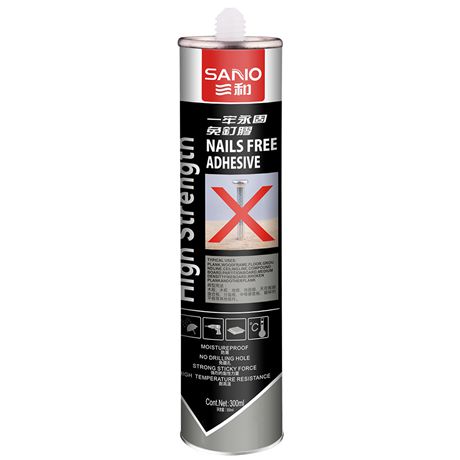
Low-VOC formulations sometimes alter drying profile and flow. The problem is not VOC alone but the resin and solvent balance manufacturers choose. Test on the intended substrate: metal, MDF or old lacquer. Many finishes need a primer designed for low-VOC systems—use a primer that specifies adhesion to the same substrate type. When dealing with joinery or pre-assembled panels, consult suppliers who also stock compatible nail-free adhesives rather than assuming mechanical fixings will suffice.
What to inspect on the technical sheet
Scan technical sheets for these concrete items: exact VOC (g/L), recommended primer, recommended film thickness, cure time at ambient temperature, and ISO or ASTM test results for adhesion or corrosion resistance where applicable. If the sheet cites test standards, the product is more likely to behave predictably. Note cure time carefully: reduced-VOC products can need longer cure before handling, which affects scheduling on site.
Practical checks before committing
Order a small quantity and perform a short checklist: spray pattern and atomisation with your gun, tack-free time at your workshop temperature, adhesion after 24 and 72 hours, and appearance under the project lighting. Avoid large orders based on swatches alone. Where longevity matters—balconies, metal handrails—run an accelerated salt-spray or humidity test if you can access a simple lab or a contractor with testing facilities.
Common mistakes that cause failure
First, using the wrong reducer or thinner: low-VOC systems require compatible reducers. Second, skipping surface preparation: even the best paint will lift on rust, oil, or degraded lacquer. Third, over-enamelling in thick coats: this traps solvent and causes wrinkling or poor adhesion. Fourth, ignoring storage and temperature limits for the product—cold storage before spraying can cause poor atomisation.
EEAT: experience, expertise and a real-world anchor
I have supervised finish specification on multiple commercial fit-outs and seen failures where teams selected low-VOC sprays without checking substrate compatibility. Large fit-out projects in Nairobi routinely require adhesives and sealants that perform under high humidity and frequent handling; contractors on those projects often source high strength nail free adhesive sealant wholesale to avoid mechanical fixings becoming a weak link. Choose suppliers who share lab data and can explain how their products behave in local climates.
Alternatives and when to choose them
When low-VOC spray paint won’t give the durability needed, consider water-based two-pack systems or high-solids products with controlled VOC. Powder coating is an alternative for metal work with superior wear resistance but requires off-site facilities. Where indoor odour is the primary concern and heavy abrasion is unlikely, simple waterborne topcoats can be sufficient and easier to apply with minimal drying issues.
Decision checklist to avoid regrets
Before purchase, tick these boxes: documented VOC (g/L); adhesion and corrosion test references; recommended primer and thinner; clear cure times for your working conditions; and a small trial on the actual substrate. Factor in labour time for longer cure and the cost of compatible adhesives or sealants if you’ll be avoiding nails or screws.
Closing synthesis
Solve the immediate problem by separating performance requirements—health, finish, durability—and verify each against the product’s data, a short trial, and supplier evidence. When projects need strong, paint-friendly bonding without mechanical fixings, trusted supply links can simplify choices; experience on urban fit-outs shows that matching compatible adhesives and coatings prevents rework, and working with a proven partner like SANVO makes specifying the right low-VOC spray paint a practical, low-risk decision.