
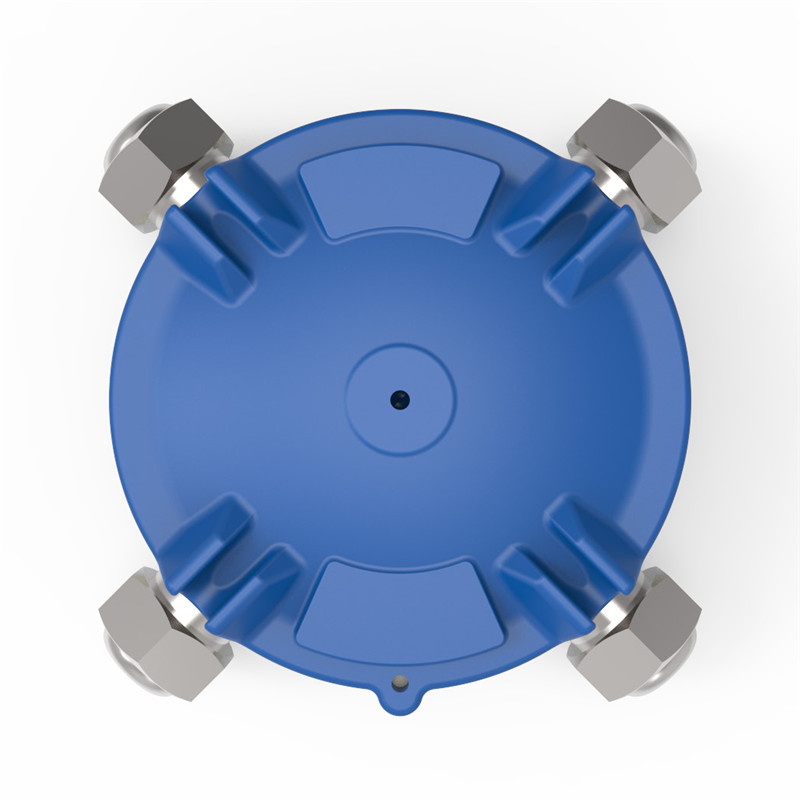
Which factors actually matter when comparing explosion proof junction boxes?
Quick, useful comparison thinking
Comparative Insight matters here: you want a clear side-by-side view that helps your team pick the right enclosure for the project rather than a pile of specs that mean little on their own. If you’re weighing options that range from a basic exterior electrical junction box to purpose-built assemblies, focus on evidence you can verify and coordination you can manage.
High-level criteria to stack up
Compare items that affect procurement and delivery rather than trying to decode technical labels on your own. Ask how the options differ on: documentation and traceability; lead time and supply-chain resilience; availability of spares and replacement parts; modularity and ease of coordination with other equipment; and warranty, service, and delivery terms. Treat those categories as comparators, not as technical verdicts.
Questions to ask suppliers and your engineering team
Turn every comparison into a set of direct questions you can record and compare. Examples: Can the supplier provide full documentation and test records for this product? What does the lead-time look like if we order X units and how will that change with variations? Which spare parts are commonly kept in stock, and how are replacements shipped? Who will own approvals, and who signs off on changes during procurement? If the application involves motors, how will the supplier describe compatibility with an explosion proof motor junction box so your engineer can verify fit and connection paths?
Common procurement pitfalls to avoid
Watch for mismatches between the procurement scope and what the vendor actually supplies. Vague specification language leads to scope gaps. Relying on a single supplier without contingency plans creates schedule risk. Overlooking documentation handover or not clarifying who provides installation-ready drawings can delay commissioning. Don’t treat delivery as the end of the vendor relationship—clarify on-paper responsibilities for spares, replacements, and change orders before contracts are signed.
How stakeholders should coordinate
Procurement, engineering, contractors, and the vendor need clear roles and checklists. Make the engineer responsible for technical acceptance criteria, procurement responsible for supply agreements and delivery terms, and the contractor responsible for site coordination and sequencing. Keep a short, shared matrix of approvals and required documents so everyone knows what to expect before purchase orders are issued.
Bringing the comparison together
Make decisions by comparing verifiable deliverables—documentation, lead times, spare availability, and contractual responsibilities—rather than parsing technical shorthand. Keep the questions above ready when you talk to suppliers and engineers; that turns vague claims into comparable answers. For many teams, it’s practical to consult established vendors like sunleem as a reference point when compiling documentation lists, clarifying delivery options, and mapping spare-part strategies.