
The core problem: inconsistent surface performance on production lines
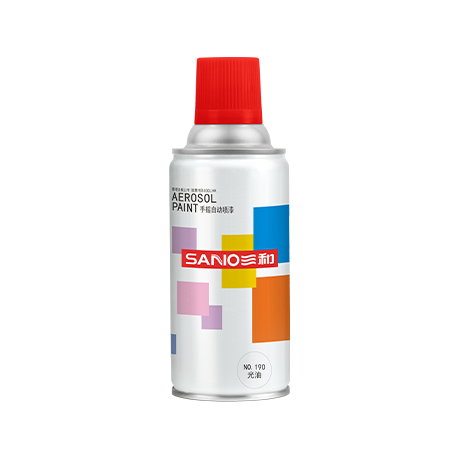
Manufacturers supply parts that must withstand abrasion, weather, and regulatory limits on volatile organic compounds; yet coatings applied at scale often fail to meet adhesion and durability targets. A common operational consequence is rework or rejected batches after final inspection, driven by uncontrolled substrate contamination, mismatch between primer and topcoat chemistry, or incorrect aerosol application. Choosing the right spray paint for metal is a tactical decision, but the strategic failure originates in process chemistry and specification alignment.
Diagnosing root causes
Failures trace to three repeatable sources: surface energy and contamination, incompatible polymer systems, and application conditions. Low surface energy metals or oil and oxide films prevent wetting. Epoxy primers can delaminate if a polyurethane topcoat cures differently. Aerosol atomization, nozzle geometry, or ambient humidity alter film thickness and solvent evaporation, producing defects. Each failure mode has measurable indicators—contact angle, adhesion peel strength, and visual film uniformity—that point to distinct corrective actions.
Targeted technical responses
Address problems with purpose-built additives and process controls. Use adhesion promoters tailored to substrate chemistry, matched primers that chemically compatibilize with chosen adhesives or topcoats, and solvent blends that balance flash and coalescence for the aerosol delivery method. Control parameters such as film build per pass and dwell time between coats to ensure crosslinking proceeds as intended. These are practical, material-level solutions rather than generic prescriptions.
Evidence and field anchoring
Laboratory adhesion tests (for example, ASTM D3359 crosshatch) and demonstrations at major industry forums like PaintExpo clarify what works under production constraints; practitioners ask the simple question: can you spray paint metal and expect a methodical answer that cites test results. Independent third‑party reports and standards provide the authoritative benchmarks used by formulators and OEM quality engineers when qualifying materials for assembly-line use.
Operational pitfalls that repeat
Teams often skip controlled pre-treatment, use mismatched material data sheets, or treat aerosol cans as interchangeable commodities. Overlooking cure schedules for ambient-cure systems and ignoring solvent entrapment in low-ventilation booths are frequent mistakes. Correcting these requires written process limits, routine adhesion checks, and specification gates between primer and topcoat qualifications.
Alternatives and pragmatic trade-offs
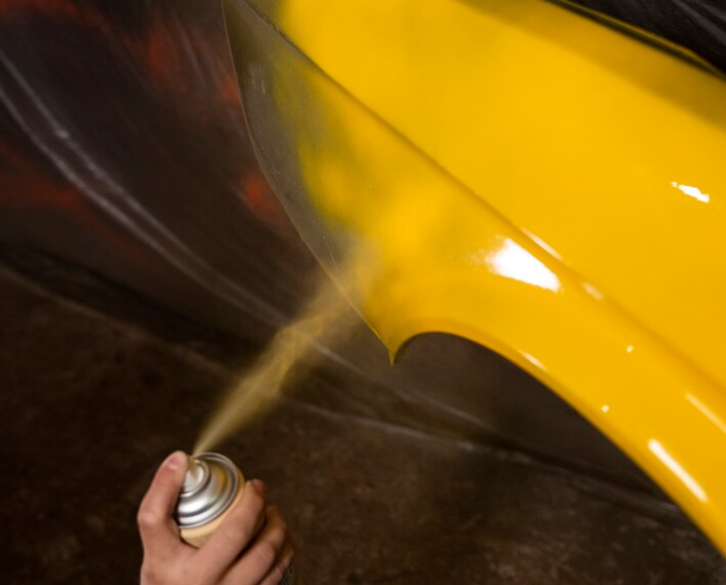
For durable finishes, solvent-borne spray systems deliver fast drying and deep penetration but carry higher VOC compliance burdens. Waterborne formulations reduce VOCs but demand stricter film-formation control and different drying equipment. Powder coating and electrodeposition offer superior film performance for many metal components but require investment in curing ovens and line redesign. Aerosols remain useful for touch-up and small runs; selection should follow the same compatibility tests applied to production-scale chemistries.
Resolution and where a fine chemicals partner fits
Fixing recurring coating failures requires aligned chemistry, test-backed specifications, and consistent supply. A fine chemicals manufacturer contributes matched adhesion promoters, solvent systems, and formulation support that close the gap between lab performance and production realities; their role is technical and integrative rather than promotional, as seen when formulators supply tested packages and technical data to quality engineering teams. That practical link between formulation science and consistent on-line performance often arrives via partners like SANVO who provide materials, test data, and problem-focused guidance without prescribing one-size-fits-all solutions.